

The Free Tour of Lisbon is a 2.5-hour walk through the city centre with a local guide, from Restauradores and Rossio up to Chiado and down to the river at Praça do Comércio. Along the way you hear how earthquakes, fires and revolutions shaped the streets you are walking on.
The tour begins at Praça dos Restauradores, a lively square that marks the entrance to the old town. Here, your guide will introduce you to the city’s layered history before leading you to the Calceteiro Monument (Monumento ao Calceteiro), dedicated to the craftsmen who lay Lisbon’s black-and-white stone pavements. The walk then passes the Church of São Roque and the Church of São Domingos, two very different keys to the city’s religious history.
Along the way, you’ll learn about some of the most defining moments in Lisbon’s past, including the devastating 1755 earthquake and the Carnation Revolution that restored democracy to Portugal. These stories reveal how the city has been rebuilt and renewed while maintaining its soul.
The tour continues through Praça Rossio, one of Lisbon’s most animated squares, home to the Jewish Memorial and the ornate Rossio Station. From there, you’ll admire the Santa Justa elevator and the ruins of the Convento do Carmo before reaching the Chiado district. This area is known for its literary past, with connections to writers such as Luís de Camões and Fernando Pessoa, whose works celebrated Lisbon’s maritime legacy and poetic spirit.
Before concluding at Praça do Comércio, one of the city’s grandest waterfront squares, you’ll stop by the Bertrand Bookshop, recognized as the oldest in the world. By the end you will have the layout of the old centre in your head, which makes the rest of Lisbon much easier to explore on your own.
Top Attractions on Your Free Tour of Lisbon
The free tour of Lisbon covers the city centre rebuilt after the 1755 earthquake, from the Baixa grid to the hill of Chiado. These are the stops along the route and what to look for at each.
Calceteiro Monument
Near the start of the walk, this small bronze monument honours the calceteiros, the pavers who still cut and set Lisbon’s black-and-white limestone pavements by hand. Once you notice the patterns, you will see them all over the centre.
Church of São Roque
The Church of São Roque looks plain from the outside but is lavishly decorated within. Its gilded chapels and painted ceilings represent the height of Jesuit art in Portugal.
Church of São Domingos
Next to Rossio, the Church of São Domingos survived the 1755 earthquake only to be gutted by fire in 1959. The scorched columns and walls were left unrestored, so the interior shows its damage openly. It is also where the 1506 massacre commemorated by the nearby Jewish Memorial began.
Praça Rossio
Also known as Praça Dom Pedro IV, Rossio is Lisbon’s main square and the beating heart of the city. Surrounded by cafés and theatres, it’s a lively meeting point for both locals and visitors.
Jewish Memorial
Located near Rossio, this memorial commemorates the victims of the 1506 massacre. It is a moving reminder of Lisbon’s complex past and its commitment to tolerance and remembrance.
Santa Justa Elevator
This elegant wrought-iron lift connects the lower Baixa district with the higher Chiado. Designed by a disciple of Gustave Eiffel, it is one of the city’s best-known landmarks. The lift has been closed since September 2025, so the tour views it from the street, and Largo do Carmo offers a free view over the Baixa from the level of its walkway.
Carmo Convent
The Gothic church of the Carmo Convent lost its roof in the 1755 earthquake and was never rebuilt. Its open nave, with arches standing against the sky, is the most direct reminder of the disaster in the city centre, and it now houses a small archaeological museum.
Chiado District
A refined area filled with bookshops, cafés, and boutiques, Chiado has long been the intellectual and artistic centre of Lisbon. Café A Brasileira, with the bronze statue of Fernando Pessoa seated outside, is the best-known reminder of that literary past.
Rua Augusta Arch
This triumphal arch marks the entrance to the Baixa district. Climb to the top for sweeping views over the river and the grid of streets rebuilt after the great earthquake.
Praça do Comércio
The tour concludes at this grand riverside square, once the main gateway to Lisbon for arriving ships. Its yellow arcades and statue of King José I make it one of the city’s most photographed sites.
Together, these stops tell one story: how Lisbon rebuilt its centre after 1755 and kept its older hills around it. From the wave-patterned pavement of Rossio to the river at Praça do Comércio, the route is a good first look at the top things to do in Lisbon.

Tips to Enjoy the Free Tour of Lisbon
Enjoy the best of Portugal’s capital with these helpful suggestions for the Free Tour of Lisbon:
👟 Wear comfortable shoes. Lisbon is known for its steep hills and cobblestone streets, so good walking shoes are essential.
🌞 Check the weather. The city has plenty of sunshine, but winds from the Tagus River can make it cool at times. Bring a light jacket or hat, depending on the season.
💧 Stay hydrated. Carry a bottle of water, especially during summer, as much of the walk is outdoors and uphill.
📸 Bring your camera or phone. You’ll pass photogenic landmarks such as the Santa Justa Lift and Praça do Comércio.
💶 Carry some euros. You may want to tip your guide or stop for a coffee in the Chiado district.
🎒 Pack light. A small day bag with essentials like sunscreen, water, and a raincoat is ideal.
🧣 Dress respectfully. While casual wear is fine, some churches and religious sites request modest clothing.
🚶 Be prepared for uneven terrain. Lisbon’s polished limestone pavements get slippery, especially after rain.
👫 Book a Private Tour of Lisbon if you’re traveling with a group larger than six people. It’s the most comfortable and flexible option.
🎟️ Have your digital voucher ready. Show it on your phone when meeting your guide at Praça dos Restauradores.
Ask your guide at the end for directions to Alfama or the tram to Belém: both make a good second half of the day.
More Free Tours in Lisbon: Alfama & Belém
The city-centre walk covers Baixa, Rossio and Chiado. Two other free walking tours fill in the parts of Lisbon it does not reach: Alfama, the oldest district, and Belém, the riverside quarter of the Age of Discoveries.
Alfama survived the 1755 earthquake better than most of the city, so its steep lanes, stairways and small squares still follow a medieval street plan. It is also the neighbourhood most closely linked to fado. The Free Tour of Alfama climbs through these lanes and its viewpoints towards São Jorge Castle, which sits on the hill above the district and looks over the Baixa and the Tagus.
Belém lies about 6 km west of the centre along the river, where the ships of the Age of Discoveries set sail. The Free Walking Tour of Belém covers its two UNESCO-listed monuments.
The Belém Tower
Built in the early 16th century to guard the river entrance to the port, the tower became the classic image of Portugal’s maritime age. On the Belém walk, the guide explains its role in the Age of Discoveries and how the riverbank around it has changed since ships left from here for Africa, India and Brazil.
The Jerónimos Monastery
The Jerónimos Monastery is one of Lisbon’s most famous monuments and a UNESCO World Heritage site. This impressive structure was built in the 16th century and is a prime example of Manueline architecture, characterized by ornate details and intricate carvings. The monastery is also home to the tomb of Vasco da Gama, the famous Portuguese explorer.
On the Belém walk, the guide connects the monastery with the voyages it commemorates and explains the maritime motifs, ropes, shells and armillary spheres, carved into its Manueline stonework. If the Manueline style catches your eye, the church of the former Monastery of Jesus in Setúbal, about 40 minutes south of Lisbon, was designed by the same architect and is older; it is one of the stops on a sardine and market walking tour of Setúbal.
FAQs 🔎
What will I see during the Free Tour of Lisbon?
The tour starts at the obelisk in Praça dos Restauradores and passes the Calceteiro Monument, the Casa do Alentejo and the Church of São Domingos. It continues to Rossio, the Carmo Convent and the Santa Justa Lift, then through Chiado and Bairro Alto, past Bertrand, the world’s oldest operating bookshop. It ends along Rua Augusta at Praça do Comércio.
How much should I tip my guide?
The general principle of tipping for free tours is based on your satisfaction with the tour and your budget. A common practice ranges between €5 and €10 per person, depending on the quality of the tour, the guide’s performance, and your budget.
How do I find the guide?
Head to Praça dos Restauradores and arrive a few minutes before the scheduled start time. Watch out for a group gathering, as there could be fellow tour participants. Look for the guide at the obelisk in the middle of the square; arriving 10 minutes early makes it easy.
What is the meeting point of the Free Tour of Lisbon?
The meeting point is at the obelisk in Praça dos Restauradores.
How long does the Free Tour of Lisbon last?
The Free Tour of Lisbon lasts approximately 2.5 hours.
Where does the Free Tour of Lisbon end?
The Free Tour of Lisbon finishes at Praça do Comércio.
What is the best time of year for the Free Tour of Lisbon?
Spring and early autumn offer pleasant weather, fewer crowds, and ideal walking conditions.
Is the Free Tour of Lisbon accessible for wheelchair users?
No, the tour is not wheelchair accessible due to steep hills and cobblestone streets.
What happens if it rains during the Free Tour of Lisbon?
The tour runs in all weather. Bring a raincoat or umbrella, especially during autumn and winter months.
Popular Activities in Lisbon

Lisbon Electric Bike Tour

Lisbon Historic Tram
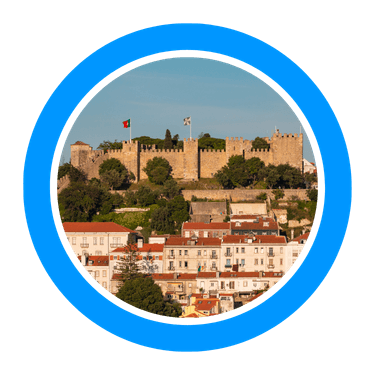
São Jorge Castle
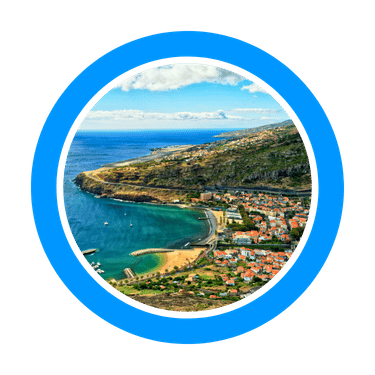
West Madeira Tour from Funchal
