

Guided tour
Casa de Pilatos Guided Tour
9.0 Exceptional · 78 reviews (as of Nov 2026) Free cancellation
Choose your date
Civitatis displays availability and confirms bookings on its own site.
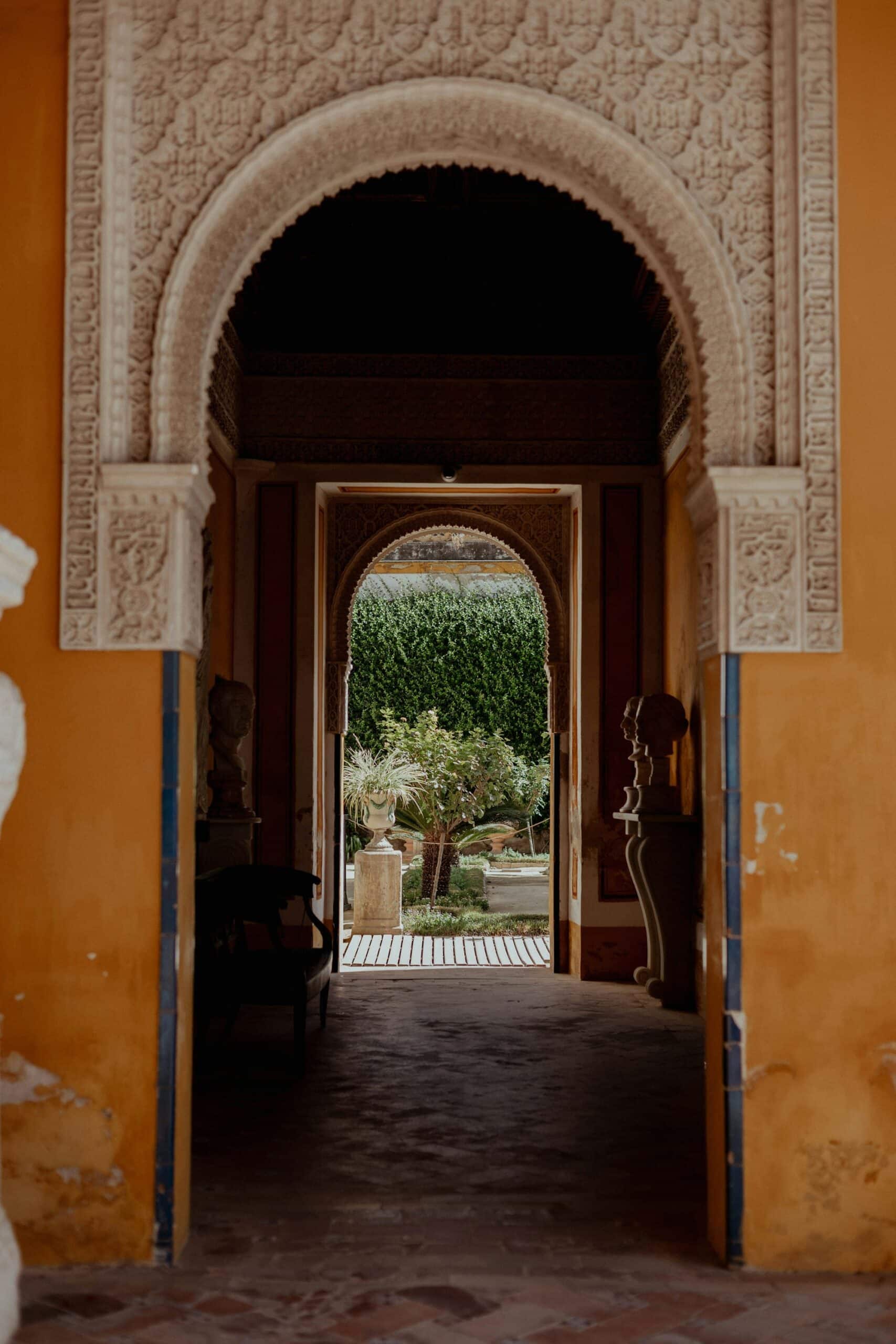
Casa de Pilatos takes its name from a Sevillian tradition that linked the palace with the house of Pontius Pilate in Jerusalem, a story woven into the city’s Holy Week routes. What stands here is not a biblical relic but one of Seville’s clearest noble residences, where Italian Renaissance taste meets Mudejar craftsmanship. Marble, azulejos and courtyards sit together in a way that says as much about 16th-century Andalusia as any church or royal palace.
The guided visit lasts 1 hour and focuses on the interior of Casa de Pilatos, including rooms, the ground floor, main halls, courtyards and gardens. Admission is included. The route starts at the Casa de Pilatos entrance and the guided visit finishes at Casa de Pilatos, with the option to continue exploring on your own.
An English-speaking guide leads the visit in English. Pets are not allowed. If you want to place the palace within the wider city, it also makes sense to pair this visit with a walk through nearby areas such as the Alfalfa quarter and the historic streets leading toward the Cathedral.
What You Will See on the Casa de Pilatos Guided Tour
The Main Courtyard
The central patio is the organising heart of the palace, combining a classical layout with strong Andalusian decorative traditions. You’ll see marble columns, intricate tilework and arches that show how Sevillian elites in the 16th century adapted Renaissance ideas without abandoning local Mudejar forms.
The Ground Floor Rooms
The visit covers the ground floor, where the palace’s domestic and ceremonial spaces are concentrated. These rooms preserve the character of an aristocratic residence rather than a royal complex, with decoration designed for status, reception and daily life under the dukes of Medinaceli.
The Main Halls
The main halls reveal the palace at its most formal, where architecture and ornament projected lineage and taste. Look for the contrast between plasterwork, tiled dados and imported classical references, a combination that became a hallmark of high-status buildings in Seville after contact with Italy intensified in the 16th century.
The Interior Decoration
Inside the palace, much of the interest is in the surfaces: glazed ceramics, carved ceilings and sculptural elements set into walls and galleries. Casa de Pilatos is especially useful for seeing how noble houses in Seville brought together Islamic-derived craft traditions and Renaissance aesthetics within the same sequence of spaces.
The Courtyards and Gardens
The courtyards and gardens soften the formal architecture with water, shade and planting, all central to Andalusian domestic design. These outdoor areas were part of how elite houses managed climate, privacy and movement through the residence.
Tips to Enjoy the Casa de Pilatos Guided Tour
✔️ Casa de Pilatos is a short walk east of the Cathedral and Santa Cruz, but the final approach runs through smaller central streets. If you are coming during Semana Santa, allow extra time because processions and crowd-control barriers can slow down even short walks.
✔️ If you use a wheelchair or need step-free access, indicate it in your reservation. The visit is wheelchair accessible with accessible toilets, and an accompanying person is required.
✔️ Keep at least another 20 to 30 minutes free after the 1-hour guided visit if you want to look again at the patios and gardens on your own, since the ticket includes admission and you can continue exploring Casa de Pilatos after the guided part finishes.
✔️ Pets are not allowed, so sort that out before you arrive. If you are staying around Alfalfa, Encarnación or Plaza del Duque, it is better to arrange care at your accommodation than expect any service at the entrance.
✔️ Casa de Pilatos works especially well in the hotter months because much of the route passes through shaded patios and interior rooms. If you are planning a summer sightseeing day, it pairs better at midday with indoor stops than exposed sites such as Plaza de España.
✔️ Free cancellation is available up to 24 hours before the start time. If you are arriving in Seville by AVE train to Santa Justa or by flight on the same day, book a slot that leaves margin for delays.
What Else to See in Seville
Royal Alcázar of Seville
If Casa de Pilatos gives you the aristocratic version of Mudejar and Renaissance Seville, the Alcázar shows the royal one. Located next to the Cathedral, its palaces and courtyards trace the city’s political history from the Islamic period to the Christian monarchy.
Palacio de las Dueñas
About a 10 to 15 minute walk from Casa de Pilatos, Palacio de las Dueñas is another major Sevillian noble residence. Its patios, gardens and historic rooms help place Casa de Pilatos within the city’s tradition of grand private houses rather than state buildings.
Archivo General de Indias
Beside the Cathedral, this Renaissance building explains the period when Seville controlled much of Spain’s trade with the Americas. After seeing Casa de Pilatos, it adds the wider 16th-century context of empire, wealth and patronage that shaped elite architecture.
Iglesia del Salvador
West of Casa de Pilatos, near Plaza del Salvador, this large Baroque church stands on the site of a former mosque. It is useful after the palace because it shows another layer of Seville’s architectural history within easy walking distance.
The Best of Seville
Seville is at its most interesting when private palaces, convents and major monuments are read together, because the city’s 16th-century wealth produced not only royal buildings but also houses such as Casa de Pilatos. The mix of Mudejar craftsmanship and Renaissance fashion seen here is one of the clearest signatures of that period.
For food, try espinacas con garbanzos, a Sevillian staple of spinach and chickpeas with deep roots in local home cooking and tapas bars, often found around Santa Cruz, Alfalfa and El Arenal. Another classic is bacalao con tomate, salt cod in tomato sauce, common in traditional bars across the historic centre.
After the palace, continue the theme with another historic residence such as Palacio de las Dueñas, or head toward the Alcázar and Cathedral to see how the same city combined aristocratic, religious and royal patronage within a relatively compact centre.
Frequently Asked Questions
How long does the Casa de Pilatos Guided Tour last?
The guided visit lasts 1 hour. It covers the interior, including rooms, the ground floor, main halls, courtyards and gardens.
Where does the Casa de Pilatos Guided Tour start?
The activity starts at the Casa de Pilatos entrance. The guided visit finishes at Casa de Pilatos, and you can continue exploring on your own afterward.
What language is the Casa de Pilatos Guided Tour conducted in?
The visit is conducted in English by an English-speaking guide.
Is admission included in the Casa de Pilatos Guided Tour?
Yes. Admission to Casa de Pilatos is included, so you do not need a separate ticket for the guided visit.
Do I need to book in advance?
Booking ahead is a sensible idea, particularly in busy periods in Seville. Free cancellation up to 24 hours before the start time gives some flexibility.
Is the Casa de Pilatos Guided Tour accessible for people with reduced mobility?
Yes. The activity is wheelchair accessible with accessible toilets, and an accompanying person is required and must be indicated in the reservation.
What is the best time of year to visit Seville?
Spring and autumn are usually the easiest seasons for walking in Seville. In July and August, indoor monuments such as Casa de Pilatos are often more comfortable earlier in the day or around midday than long walks through open plazas.
Popular Activities in Spain

Free Tour of Seville
Alcazar of Seville Tour

Seville Cathedral and Giralda Guided Tour

Secrets of Seville Evening Tour
