

Florentine cooking begins with an apparent absence: saltless bread. That old tax-era habit, still visible on every table, shaped soups, crostini, bean dishes, and the city’s instinct for building flavor through olive oil, stock, herbs, and careful reuse rather than through seasoning shortcuts. Florence was a rich republic, but its most revealing food is often frugal food, tied to butchers, bakers, market stalls, convent sweets, and the vegetable economy of the contado just beyond the walls.
These are the Florentine dishes and products that explain the city more clearly than any menu written for visitors.
1. Bistecca alla Fiorentina (Florentine T-Bone Steak)
Bistecca alla Fiorentina is the city’s ritual meat dish: a very thick T-bone or porterhouse steak, traditionally cut from Chianina beef, cooked over charcoal and served rare, with little more than salt and olive oil. Its reputation is ancient, though the often-repeated Medici origin story is probably more legend than documentation. What is certain is that Florence’s butcher culture and the cattle economy of the Val di Chiana made this cut a symbol of local prosperity. A useful detail many visitors miss is that older Florentines once distinguished carefully between costata and bistecca proper, with the latter expected to include the bone dividing sirloin and fillet, not just any large grilled steak.
Try it at Trattoria Mario near Mercato Centrale, where the cut is handled in the old straightforward way, or at Buca Lapi, one of the city’s historic meat addresses. Order it by weight and keep lunch light beforehand, because restaurants usually serve a steak meant for two or more people. It is best in cooler months, when the dining room appetite matches the size of the portion.
2. Lampredotto (Abomasum Tripe Sandwich)
Lampredotto is Florence’s most democratic street food, made from the fourth stomach of the cow, slowly simmered with tomato, onion, celery, carrot, and herbs, then sliced into a bun and finished with salsa verde and, if you want it, a spoonful of hot sauce. The name comes from the lampreda, or lamprey eel, whose mouth the cooked tripe was said to resemble, a comparison that made sense when the Arno still supplied eels and river life was more present in city markets. Historically it was food of cart-pullers, laborers, and market workers, and the trippai who sell it remain one of the clearest continuities between medieval Florence and the modern city.
Go to Nerbone inside the Mercato Centrale for a benchmark version, or seek out Tripperia Pollini in Sant’Ambrogio for the neighborhood experience. Ask for a panino col lampredotto and specify bagnato if you want the bread dipped in broth, which locals often do. Mid-morning through lunch is the best time, when the stock is fresh and the market is still functioning as a market rather than only a stop on an eating itinerary.
3. Ribollita (Reboiled Bread and Vegetable Soup)
Ribollita is the classic Florentine-Tuscan bread soup, built from cannellini beans, cavolo nero, stale unsalted bread, and winter vegetables, then reheated the next day, which is what the name means. In Florence it belongs as much to urban kitchens as to country cooking, because the city’s bread was baked large, went stale slowly, and was expected to be reused. One detail often overlooked is that old recipes vary sharply on tomato: many earlier versions used little or none, and the identity of the dish depended more on black cabbage, bean liquor, and bread than on a red broth. In many Florentine homes, ribollita was left to settle, then served almost sliceable rather than ladled, which says a lot about how seriously bread entered the pot.
In Florence, look for ribollita at Trattoria da Burde in the northwest of the city or at Trattoria Cammillo in Oltrarno, where seasonal cooking still shapes the menu. Order it in autumn or winter, when cavolo nero is at its best and the dish appears for the right reason rather than as a year-round concession. A drizzle of peppery Tuscan olive oil at the table is not decoration but part of the dish.
4. Pappa al Pomodoro (Tomato and Bread Porridge)
Pappa al pomodoro is a thick preparation of stale Tuscan bread, ripe tomatoes, garlic, olive oil, and basil, cooked until the bread dissolves into a soft mass that is neither soup nor sauce. It belongs to the same unsalted-bread logic that runs through Florentine cooking: bread was too valuable to waste, and its lack of salt lets it absorb tomato and stock without becoming dominant. Many Italians know it from the 1960s television adaptation of Gian Burrasca, whose song made the dish famous nationally, but in Florence it had long been a practical answer to summer tomatoes and day-old loaves. In older trattoria cooking, it could also be carried closer to a spoon-standing thickness than the smoother versions now served in refined settings.
Try it at Trattoria Sostanza, where the kitchen keeps to a concise Florentine repertoire, or at Il Latini, where traditional dishes still anchor the meal. It is most convincing from late spring through summer, when tomatoes carry the dish rather than merely coloring it. If you see it served lukewarm rather than piping hot, that is often a good sign.
5. Crostini di Fegatini (Chicken Liver Crostini)
Crostini di fegatini are small slices of toasted bread topped with a chicken liver spread usually enriched with capers, anchovy, vin santo or broth, and sometimes a little sage. They are a fixture of Tuscan antipasto, but in Florence they also reflect the old urban habit of using every useful part of the chicken in festive cooking. A less advertised historical note is that older Florentine versions could be more bitter and mineral than today’s smoother pâté-like spreads, because they used less butter and gave the livers a firmer role in the mixture. In some family recipes, the finishing touch was not sweetness but a few preserved capers to sharpen the spread against the city’s bland bread.
Order them at Trattoria Cibrèo, which has long treated humble Tuscan preparations with unusual seriousness, or at Trattoria Pandemonio in San Frediano. Ask for them as part of a mixed antipasto if you want context, rather than as an isolated snack. They pair particularly well with a glass of young Chianti and are common year-round.
6. Fagioli all’Uccelletto (Beans in Tomato and Sage)
Fagioli all’uccelletto are cannellini beans stewed with tomato, garlic, olive oil, and sage, a side dish so central to Florentine eating that it often behaves like a quiet main course. The phrase all’uccelletto refers not to birds in the pot, but to a style of seasoning associated with the way small game was once cooked, especially with sage. In Florence, beans have long crossed class lines, appearing in workers’ lunches, trattoria menus, and home suppers with sausages or leftover roast. One useful local point is that Tuscan cooks often value the cooking liquid of the beans almost as much as the beans themselves, because it gives the dish body without needing stock or butter, which suits the city’s leaner culinary style.
Look for them at Trattoria Sabatino, where the daily menu still reflects worker Florence, or at Da Rocco in the Sant’Ambrogio Market area for a straightforward lunch. Order them alongside roast meats or with sausages if available, but they also make sense on their own with bread and wine. Lunch is the natural time for this dish, especially in places serving a fixed menu to locals.
7. Carciofi Fritti (Fried Artichokes)
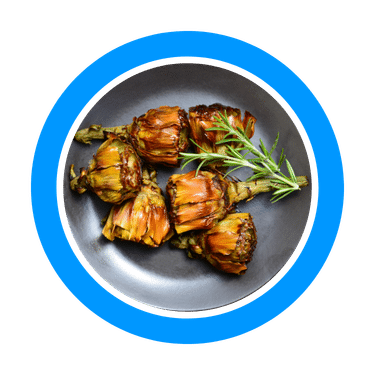
Carciofi fritti are a seasonal Florentine favorite, artichokes trimmed, sliced or opened, floured and fried until crisp, sometimes with only salt and lemon afterward. Unlike the Roman Jewish style of deep-fried whole artichokes, the Florentine treatment is usually simpler and more tied to trattoria and market cooking than to one single community tradition. A detail worth noting is that these often depend on the violet artichokes arriving through the city’s produce trade in late winter and spring, and the best versions appear when the artichokes are young enough that the inner choke barely matters. In Florence, they make sense in a city where contorni are not decorative extras but a serious part of lunch.
Try them in season at Trattoria Sergio Gozzi near San Lorenzo or at Trattoria Anita near the Mercato Centrale, where vegetable sides still matter. Late winter into spring is the correct moment, and if they are listed as a contorno, order them that way and build your meal around the market season rather than around courses in strict order. In Florence, some of the best eating still comes from choosing what the kitchen is actually cooking that day.
8. Schiacciata alla Fiorentina (Florentine Carnival Cake)
Schiacciata alla Fiorentina is a soft, lightly sweet Carnival cake, scented with orange and often vanilla, baked in a rectangular tray and dusted with sugar, sometimes marked with the Florentine lily in cocoa. Despite the name schiacciata, it has nothing to do with the savory flatbread sold in bakeries. The word refers to its low, pressed shape. One lesser-known point is that older versions were often more restrained than many pastry-shop examples today, closer to a festive household sweet than to a filled dessert, and they belong specifically to the pre-Lenten weeks when richer ingredients briefly moved to the center of the table. In Florence the lily stencil matters because it ties the cake explicitly to the city rather than to generic Tuscan pastry tradition.
For a good version, try Pasticceria Giorgio in the Santa Croce area or Scudieri near Piazza del Duomo when Carnival approaches. Order it plain first before choosing cream-filled variants, since the basic dough and citrus perfume are what matter. You will generally find it from January through early March, not year-round.
How to Eat Traditional Food in Florence Around Mercato Centrale and Sant’Ambrogio
If you want traditional Florence rather than a menu assembled for passersby, focus on Sant’Ambrogio for market lunches and tripe, San Lorenzo for old trattorie around Mercato Centrale, and Oltrarno for neighborhood dining rooms in streets such as those around Santo Spirito and San Frediano. A solid weekday lunch in a simple trattoria often runs about €15 to €25, while dinner with bistecca can rise quickly because the steak is priced by weight and commonly pushes the meal above €40 per person, often much more if you add wine and sides. Lampredotto is the budget exception, usually around the price of a quick snack or light lunch at a stand.
Locals usually eat lunch from about 1:00 pm to 2:30 pm and dinner from about 8:00 pm onward, with many traditional kitchens quiet or only partially active before then. For lampredotto, go late morning to early afternoon, especially at market stands. For ribollita, pappa al pomodoro, and carciofi, check the season rather than expecting every dish every day. If you are ordering lampredotto, specify whether you want salsa verde, piccante, or the bread dipped in broth, because the vendor will expect you to have a preference.
The free tour of Florence is a practical way to get current local advice on where these dishes are still treated with care, especially around the central market streets where one block can make a difference. A guide can also help distinguish places serving neighborhood regulars from those relying mostly on quick turnover near the Duomo and Piazza della Signoria.