

This Évora & Alentejo Wine Tour lasts between 10 and 11 hours, starts at Rua da Conceição 23/25 in central Lisbon and combines an English-guided visit through Évora with free time for lunch and a guided winery and cellar visit followed by a tasting of four Alentejo wines. The return journey finishes at Martim Moniz in Lisbon rather than at the exact departure point, so keep the different drop-off location in mind when planning the rest of your evening.
The day is divided between two sides of inland Portugal. In Évora, the route focuses on a historic centre whose Roman temple, medieval cathedral, churches and whitewashed streets reflect more than two thousand years of urban history. After the guided walk, you have time to eat or continue exploring independently before leaving the city for the wine-producing landscape of the Alentejo.
The second half of the activity visits a winery and cellar, where the guide introduces the local terroir, grape varieties and production methods before an included tasting of four wines. Civitatis does not guarantee a particular estate in the detailed itinerary, so the experience is best booked for the Alentejo wine component rather than for one specific producer.
Transport by bus, an English-speaking guide, winery admission and the wine tasting are included. Admission to Évora Cathedral and the Chapel of Bones is currently paid separately, and lunch is not included. Some departures may operate bilingually even though English guidance is provided.
You can check availability and book this Évora wine tour from Lisbon up to the scheduled departure time while places remain. At least two participants are required for the activity to operate.
How the Évora & Alentejo Wine Tour Works
The excursion leaves Lisbon from Rua da Conceição 23/25 and travels east towards the Alentejo. During the journey, the urban landscape gives way to broad agricultural plains where vineyards, olive trees and cork oaks become increasingly common.
The published duration is between 10 and 11 hours. That includes the road journey from Lisbon, the guided section in Évora, free time in the city, the transfer to the winery, the cellar visit and tasting, and the return to Lisbon.
An English-speaking guide accompanies the activity. Civitatis notes that the tour may occasionally be conducted in more than one language, so English commentary is included but an exclusively English-speaking group is not guaranteed on every departure.
Once in Évora, the guided walk introduces the major landmarks of the historic centre. The Roman Temple, Cathedral and Chapel of Bones are the principal places identified in the current itinerary.
There is an important distinction between seeing those landmarks and having every admission included. Under the current Civitatis conditions, admission to the Cathedral and Chapel of Bones is paid separately. The winery admission and wine tasting later in the day are included.
After the guided portion, you have independent time in Évora to have lunch, stop for coffee or continue walking through the centre. Food is not included, so budget separately for anything you eat or drink during this period.
After the winery visit, the bus returns to Lisbon and the published drop-off point is Martim Moniz. Because this differs from the departure address, check your route back to your accommodation before leaving for the day.
Roman Évora and the UNESCO Historic Centre
Évora’s historic centre has been part of the UNESCO World Heritage List since 1986. Its importance comes from the survival of several different periods within the same compact city, from Roman structures to medieval churches and the whitewashed houses associated with the city’s later development.
Évora became particularly important during the 15th century, when Portuguese kings spent extended periods here. That royal presence helped reinforce its political, religious and cultural role before Lisbon became increasingly dominant during the period of Atlantic expansion.
Roman Temple of Évora
The Roman Temple is one of the first landmarks that makes the city’s age immediately visible. Its surviving columns belonged to the Roman forum and are associated with imperial worship.
You may still hear it called the Temple of Diana, but that name comes from a later tradition rather than evidence that the building was actually dedicated to the Roman goddess. Archaeological work has instead linked it with the imperial cult.
The temple is an exterior monument, so you can see it without purchasing a separate entry ticket. It also stands close to several of the other major monuments visited during the guided walk.
Streets inside the walls
Between the larger monuments, the walking route passes through the historic centre where narrow streets, whitewashed façades and buildings from different periods remain within the old urban core.
This part of the tour is useful because Évora is not a heritage site built around a single palace or archaeological complex. Its significance comes from the continuity of the city itself, with Roman, medieval and early modern structures occupying neighbouring streets.
During your free time, you can continue exploring independently. Praça do Giraldo is one of the central civic spaces and Rua 5 de Outubro links the main-square area with the Cathedral and Roman Temple sector, but your exact free-time route is up to you.
Évora Cathedral and the Chapel of Bones
Évora Cathedral
Évora Cathedral rises immediately above the surrounding historic centre and combines Romanesque and Gothic elements developed over different phases of construction.
The guide includes the Cathedral among the main landmarks of the Évora section, but the current Civitatis booking conditions do not include its admission. If you want to enter, allow for the separate ticket and follow the guide’s instructions about the available visiting time.
The Cathedral complex includes elevated areas from which visitors can look across the historic city and the surrounding Alentejo plains. Access to particular sections depends on the ticket purchased and the conditions operating during your visit.
Chapel of Bones
The Chapel of Bones is inside the Church of São Francisco complex and dates from the 17th century. Its walls and pillars are covered with human bones and skulls arranged as part of a religious reflection on mortality.
This is not a reconstructed display created for modern tourism. The chapel belongs to the religious history of the city and uses human remains as part of a deliberately contemplative space.
As with the Cathedral, admission is currently not included in the Civitatis package. The activity brings you to the landmark as part of the guided visit, but entering requires the additional ticket published for the tour.
Free time for lunch
After the guided section, you have time to choose your own lunch or continue exploring. There is no fixed restaurant or meal included in the standard reservation.
This free period also gives you some flexibility if one monument interests you more than another. If you decide to spend extra time inside the Cathedral or Chapel of Bones, keep track of the meeting time for the continuation into the Alentejo wine region.
Alentejo Winery and Four-Wine Tasting
The second major part of the day begins after leaving Évora. Instead of returning directly to Lisbon, the route continues into the Alentejo wine region for a guided winery visit.
Alentejo is one of Portugal’s established wine-producing regions and includes eight recognised subregions, among them Évora, Redondo, Reguengos and Vidigueira. Differences in soils, elevation and climate allow the wider region to produce a range of red, white and rosé wines.
The landscape also helps explain why the wine stop fits naturally into the excursion. Vineyards share the plains with olive groves, cork oaks and agricultural estates, creating a rural setting quite different from central Lisbon.
Winery and cellar visit
At the winery, the guided visit introduces the estate and cellar while covering the terroir, grape varieties and production methods used for Alentejo wines.
Civitatis currently uses Herdade do Esporão in its promotional material for this activity, but the detailed itinerary only guarantees a winery and cellar visit. For that reason, the exact estate should not be treated as contractual for every departure.
Winery admission is included in the activity. You therefore do not need to purchase a separate standard visit once the group reaches the estate.
Tasting of four wines
The winery visit finishes with a tasting of four wines. The purpose is to compare examples from the region after learning how local conditions and production choices influence what is made in the Alentejo.
The exact wines can vary, so the reservation does not guarantee specific labels, vintages or grape varieties. The confirmed inclusion is the four-wine tasting rather than a fixed tasting list.
This distinction also keeps the page evergreen. Wine estates regularly change available releases, and the wines poured during one season do not necessarily remain the same for later departures.
Practical Information and Frequently Asked Questions
The published duration is between 10 and 11 hours. Because the day combines road transport, a walking tour, free time and a winery visit, comfortable footwear is useful for the Évora section.
You can currently reserve up to the scheduled starting time while places remain. Confirmation is immediate and the electronic voucher can be shown from your phone.
At least two participants are required for the departure to operate. Pets are not permitted.
Civitatis does not currently publish a specific wheelchair-accessibility classification for this activity. Individual monuments in Évora have different accessibility conditions, but that does not establish whether the complete coach, walking and winery itinerary will meet a particular mobility requirement. Confirm any necessary arrangements before booking.
Free cancellation is available until 48 hours before the activity begins. Later cancellations and no-shows are not refunded under the current conditions.
How long is the Évora & Alentejo Wine Tour?
The published duration is between 10 and 11 hours, including transportation from Lisbon, the visit to Évora, free time, the winery visit and the return journey.
Where does the tour start?
The current departure point is Rua da Conceição 23/25 in central Lisbon. Use the location on your electronic voucher as the final reference for your booking.
Where does it finish?
The published drop-off point is Martim Moniz, so the tour does not currently finish at the exact departure address.
Is the tour conducted in English?
Yes. An English-speaking guide is included, although Civitatis notes that some departures may occasionally operate bilingually.
Are Évora Cathedral and the Chapel of Bones included?
They form part of the Évora itinerary, but their admission is currently not included in the Civitatis booking price. If you want to enter, budget separately for the required tickets.
Is lunch included?
No. You have free time in Évora to choose your own lunch or have coffee before the tour continues into the Alentejo.
Is the winery visit included?
Yes. Admission to the winery and the guided cellar visit are included in the current activity.
How many wines are included in the tasting?
The current itinerary includes a tasting of four Alentejo wines. The specific labels and varieties can change.
Does the tour always visit Herdade do Esporão?
Civitatis currently references Herdade do Esporão in its promotional material, but the detailed itinerary only guarantees an Alentejo winery and cellar visit. A particular estate should therefore not be treated as guaranteed for every departure.
Is there a minimum number of participants?
Yes. At least two participants are required. If that minimum is not reached, the provider may contact you with an alternative.
What is the cancellation policy?
You can cancel without charge until 48 hours before the activity begins. Later cancellations and no-shows are non-refundable under the current conditions.
Free Tours in Portugal
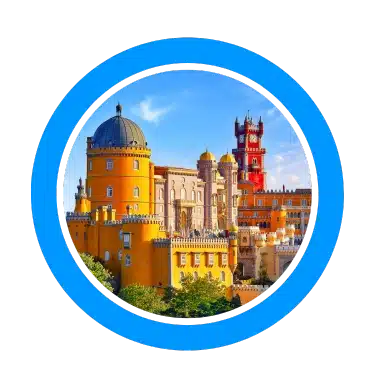
Sintra

Lisbon
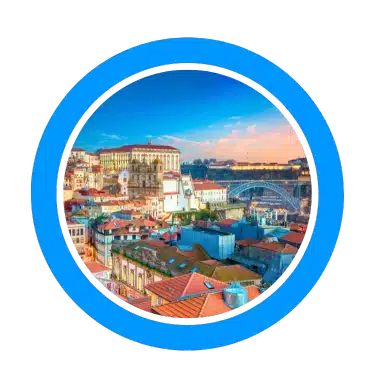
Porto
