

The free tour of Berat starts on Rruga Mihal Komnena, visits the historic centre and Berat Castle, and returns to the city centre. Civitatis lists the activity as 2 hours, although its itinerary says it finishes after 2.5 hours. Leave the longer window free when planning your day, particularly if you have onward transport.
Berat is often called the “City of a Thousand Windows” because of the rows of Ottoman-era houses climbing the hillside above the Osum River. The tour helps you understand that familiar view as part of a working city. Mangalem rises beneath the castle, Gorica faces it across the river, and Kalaja forms the fortified district above. Together, they show how Berat grew around its slopes, crossings and defensive position.
As you walk through the old town, the guide introduces the city’s Ottoman history and religious buildings, including the King’s Mosque, Halveti Tekke, Red Mosque, White Mosque and Trinity Church. The route also crosses Republic’s Boulevard before reaching Berat Castle. Seeing these places with a guide gives you a way to connect the monuments with the streets and neighbourhoods around them, even when the visit remains outside a building.
Choose this walk if you want an introduction before exploring Berat independently. The climb to the castle and the uneven stone streets make comfortable shoes useful. After the group returns to the centre, you can decide whether to revisit the castle area, cross the river for a closer look at Gorica, or spend more time among Mangalem’s houses. Bring some cash if you would like to leave a voluntary tip for the guide.
What You’ll See on the Free Tour of Berat
Mangalem and the Hillside Houses
Mangalem is the quarter most closely associated with Berat’s “Thousand Windows” nickname. Its pale houses rise in tiers beneath the castle, with windows appearing to stack above one another when seen from farther away. On the walk, look beyond the famous view: the narrow streets and steep terrain explain why the houses take this form and how residents adapted the neighbourhood to the hillside.
The King’s Mosque and Halveti Tekke
These monuments introduce different parts of Berat’s Ottoman religious heritage. The King’s Mosque is one of the city’s best-known Islamic buildings, while the Halveti Tekke is associated with a Sufi order. The guide’s explanation helps place both within the historic centre. The activity listing names them as sights on the walk; it does not specify admission to their interiors.
Republic’s Boulevard
The route crosses Republic’s Boulevard on its way toward the castle. This central stretch helps you locate the older hillside quarters in relation to the present-day city. It is also a useful landmark when you return to the centre at the end of the tour and want to choose where to continue on foot.
Berat Castle and Kalaja
The climb to Berat Castle is a defining part of this tour. Kalaja is more than a fortress viewpoint: it is a historic neighbourhood within the castle walls, where houses and religious monuments remain part of the setting. The listing identifies the Red Mosque, White Mosque and Trinity Church among the sights you will see. Keep in mind that seeing these landmarks on a guided walk does not, by itself, mean entering each building.
Gorica Across the Osum River
Gorica faces Mangalem from the opposite side of the Osum. Understanding the relationship between the two quarters makes Berat’s layout much easier to read. Civitatis names Gorica as one of Berat’s three old quarters but does not clearly confirm a guided crossing into its streets. If you want to explore Gorica up close, leave time to cross the river independently after the tour.
Practical Tips for the Walk
- Go to Rruga Mihal Komnena for the start. Save the meeting point from your booking confirmation before heading into the old town. The group finishes back in the city centre, so there is no need to arrange collection at the castle.
- Keep energy for the castle climb. Berat’s stone streets and slopes make this more demanding than a flat two-hour city walk. Shoes with a firm grip are particularly useful on the uphill approach.
- Leave up to 2.5 hours clear. The listing gives two different durations: 2 hours in its details and 2.5 hours in its itinerary. Avoid scheduling a bus departure or another timed activity immediately afterwards.
- Plan Gorica separately if it matters to you. The tour explains Berat’s three quarters, but the published route does not establish that the group crosses the Osum into Gorica. You can make that walk after returning to the centre.
- Check admission before planning interior visits. The listing includes an English-speaking guide but does not list entrance tickets. Allow separate time if you want to go inside a mosque, church or other monument after the walk.
- Bring water in warm weather. The castle ascent follows an outdoor route with exposed stretches. A small bottle is easier to carry than relying on a stop during the guided portion.
- Carry cash for a voluntary tip. A free tour has no fixed ticket price for the guided walk; participants can thank the guide with an amount they consider appropriate.
What to Explore After the Tour
Once the guide brings the group back to central Berat, crossing to Gorica is a good way to see Mangalem from a different angle. From the far bank, the tiers of houses and the castle hill become easier to take in as one landscape. You can then wander Gorica’s streets at your own pace, without assuming that this crossing was part of the guided itinerary.
If a particular castle monument caught your interest, use the tour to work out what to revisit. Kalaja rewards a slower walk because its historic buildings sit among residential streets rather than along a single museum route. Check opening arrangements and any admission requirements for individual interiors before making them the focus of your afternoon.
For a food break, return toward the central streets or riverside and look for byrek, the filled pastry found across Albania, or tavë kosi, a baked dish made with yogurt and meat. Taking that break after the climb gives you time to decide whether you want another uphill visit or a gentler walk beside the Osum.
Frequently Asked Questions
How Long Does the Berat Free Walking Tour Last?
Civitatis lists the duration as 2 hours in its activity details, but the itinerary says the tour ends after 2.5 hours. Allow up to 2.5 hours in your plans.
Where Does the Tour Start and Finish?
It starts on Rruga Mihal Komnena and finishes back in the centre of Berat after the castle visit. Use your booking confirmation to identify the exact meeting spot.
Does the Tour Go Up to Berat Castle?
Yes. The published itinerary says the group reaches Berat Castle before returning to the city centre. Expect an uphill walk and uneven stone surfaces.
Will We Walk Through Mangalem, Gorica and Kalaja?
The guide explains the three historic quarters, and the route includes the old town and castle area. The listing does not clearly promise a guided walk across the river through Gorica. Visit that quarter independently if you want to explore its streets.
Are Entrance Tickets Included?
The listed inclusion is an English-speaking guide. Separate entrance tickets are not listed, so do not assume that the tour includes access to the interiors of its named monuments.
What Language Is the Tour In?
The guided walk is conducted in English.
Is the Tour Suitable for Wheelchair Users?
No. Civitatis lists the activity as unsuitable for people with reduced mobility. The uphill castle route and uneven streets are relevant considerations when choosing a visit.
Can Children Join the Tour?
Families should judge whether children are comfortable with the walk up to the castle and the return to the centre. For younger children, the slopes and stone paving may be more demanding than the distance suggests.
Can I Bring a Pet?
No. The activity listing states that pets are not allowed.
More Tours in Albania
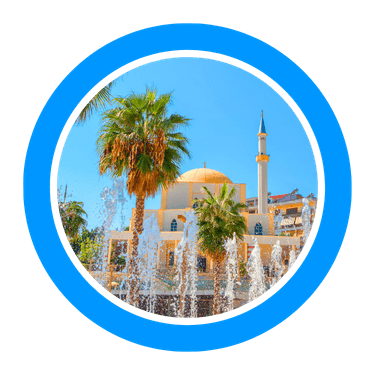
Durres
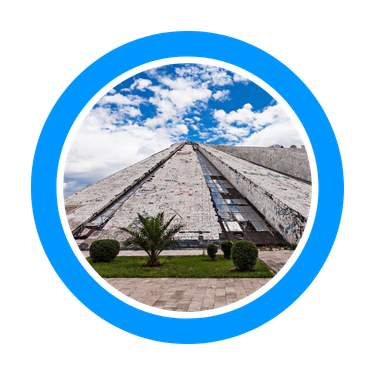
Tirana
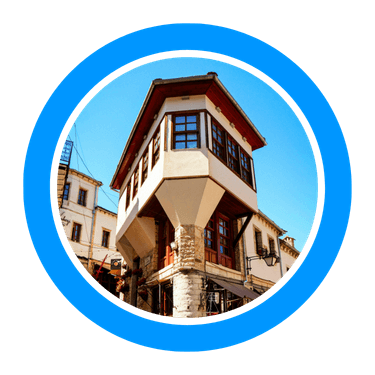
Gjirokastër
