

This 2-hour-15-minute free tour of Tirana starts at the steps of the Tirana Opera House, runs in English through Skanderbeg Square, the Pyramid and Blloku, and returns to the starting point. It is a practical first walk through the Albanian capital: the guide connects landmarks that reflect different periods of the city without requiring you to work out a route between them.
Skanderbeg Square brings much of central Tirana into one view. At its edge, the mosaic on the National History Museum recalls the way Albania presented its past during the communist period. The tour then moves beyond the square, crosses the Lana River and reaches the Pyramid of Tirana. Built as a museum dedicated to former leader Enver Hoxha, the building has taken on new uses since the end of communist rule. Seeing it after the square makes that change in the city easier to follow.
The route also passes the former Communist Party headquarters and enters Blloku. Once an area reserved for the political elite, Blloku is now known for its cafés, restaurants and everyday street life. Religious landmarks, including the Resurrection of Christ Orthodox Cathedral and the Namazgjah Mosque, add another part of Tirana’s recent story. The listing describes an outdoor walking route and includes an English-speaking guide; it does not list admission to museums or religious interiors.
There is no upfront tour price. At the end, you can leave the guide a voluntary tip based on your experience. Booking secures a place, while the circular route makes it easy to continue exploring central Tirana once the walk ends. If this is your first day in the city, the tour also helps you decide which buildings, neighbourhoods or museums deserve more time afterwards.
What You’ll See on the Free Tour of Tirana
Skanderbeg Square and the Museum Mosaic
From the Opera House, the group moves into Skanderbeg Square, Tirana’s central public space. The guide draws attention to the mosaic on the façade of the National History Museum and to buildings around the square. This first stop gives you a useful sense of where the main streets lead before the walk continues toward other parts of the centre.
The mosaic is particularly useful for discussing Albania’s twentieth-century history: it presents a deliberate image of the nation rather than serving as decoration alone. The tour views the museum from outside. If you want to visit an exhibition, treat that as a separate activity and check its current access arrangements.
The Lana River and Pyramid of Tirana
The route crosses the Lana River as it heads toward the Pyramid. This building was originally constructed as a museum devoted to Enver Hoxha, whose rule shaped communist Albania for decades. Its changing purpose makes it a strong place to discuss what Tirana has kept, altered and repurposed since that period ended.
The guide’s explanation gives the Pyramid more context than its unusual shape provides on its own. You can return after the tour if you want to spend longer around the building; the guided walk does not require you to make a separate timed visit there.
The Former Communist Party Headquarters and Blloku
At the former Communist Party headquarters, the walk turns from prominent public buildings to the political life that shaped access to the city. Nearby Blloku was once restricted to Albania’s communist elite. Today its streets are open and lined with places to eat and meet, making the change especially clear when you walk through the area.
Blloku is also a practical area to remember for later. If you want lunch or coffee after the tour, you will already know how its streets connect with central Tirana, even though the guided walk finishes back at the Opera House.
The Cathedral and Namazgjah Mosque
The Resurrection of Christ Orthodox Cathedral and the Namazgjah Mosque bring Tirana’s religious life into the route. They offer a useful contrast with the political buildings seen earlier: both are part of the city visitors encounter today, and both help the guide explain changes in Albania’s public life. The Civitatis description also calls Namazgjah the Great Mosque of Tirana; these names should not be read as a promise of two separate mosque stops.
These are landmarks on a walking tour, so plan separately if entering a religious building matters to you. Access can depend on opening arrangements and worship, and no interior admission is listed among the tour inclusions.
Practical Tips for the Walk
- Meet at the Opera House steps. The Clock Tower is nearby, but it is not the meeting point. Save the Opera House location and check your booking confirmation for the guide’s identification details.
- Leave at least 2 hours 15 minutes for the tour. The group returns to the starting point, so you can plan your next stop from central Tirana rather than arranging to meet someone in Blloku.
- Wear shoes suited to a city walk. The route links the square, the Lana crossing and Blloku on foot. You will spend much of the visit standing outside while the guide explains each stop.
- Bring water on hot days. Skanderbeg Square and the streets around the Pyramid include exposed stretches. Carrying a bottle lets you stay with the group without depending on a café stop.
- Save museum visits for afterwards. You will see the National History Museum mosaic from the square, but museum admission is not included. The same applies to any interior you want to visit independently.
- Keep some cash for the guide. Tips are not included. At the end of the free tour, you choose whether and how much to contribute.
- Take photos without losing the group. The Pyramid and Skanderbeg Square invite longer stops than a guided walk allows. Note the places you want to revisit once the tour returns to the Opera House.
Where to Go After the Tour
Because the walk finishes where it began, you can use Skanderbeg Square as your reference point for the rest of the day. Return to a landmark that interested you, spend longer around the Pyramid, or head back to Blloku for a meal. The tour provides an overview; the free time afterwards is your chance to look more closely at a particular part of Tirana.
If you are continuing your trip through Albania, the capital also provides a useful starting point for comparing its recent history with older urban centres. The hillside houses and castle district of Berat, for example, tell a different architectural story from Tirana’s broad square and twentieth-century landmarks. A walk through Tirana first can make those differences easier to notice when you travel onward.
Frequently Asked Questions
Where Does the Free Tour of Tirana Start?
It starts at the steps of the Tirana Opera House. Check your booking confirmation for the meeting instructions, and do not use the Clock Tower as your meeting point.
Where Does the Tour End?
The group returns to the starting point at the Opera House after completing the route.
How Long Does the Tour Last?
The listed duration is approximately 2 hours 15 minutes.
Which Places Are on the Route?
The published itinerary includes Skanderbeg Square, the exterior of the National History Museum, the Pyramid of Tirana, the former Communist Party headquarters, Blloku and religious landmarks including the Orthodox cathedral and Namazgjah Mosque. The Clock Tower, Presidential Palace and Polytechnic University are not confirmed stops on this listing.
Is the Free Tour Really Free?
There is no upfront tour price. The English-speaking guide is included, while tips are not. You decide what voluntary contribution to leave at the end.
Does the Tour Include Admission to Museums or Religious Buildings?
No admission is listed among the inclusions. The tour focuses on a guided walk and explanations at landmarks; arrange any interior visits separately.
What Language Is the Tour In?
The tour takes place with an English-speaking guide.
Is the Tour Accessible for People with Reduced Mobility?
Civitatis lists the activity as accessible. If you need a particular accommodation, check the meeting instructions and current route details when booking.
Are Pets Allowed?
Yes. The activity listing says pets are allowed.
More Tours in Albania

Berat
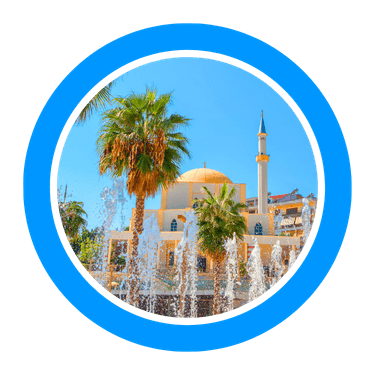
Durres
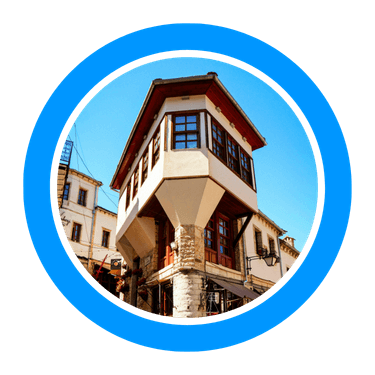
Gjirokastër
