

Delhi rewards visitors who are willing to walk, ride the metro and step into places where locals gather. Many of its best experiences cost nothing: the lanes of Chandni Chowk, Friday crowds at Jama Masjid, the free community kitchen at Gurudwara Bangla Sahib, evening picnics around India Gate, and the tombs scattered through Lodhi Gardens and Mehrauli. Even at the paid monuments, such as Humayun’s Tomb, the Red Fort and the Qutub Minar, much of the setting can be seen from outside. To start with context, the free walking tour of Delhi covers the Red Fort, Chandni Chowk and Jama Masjid with a local guide.
The city is divided into Old Delhi, the 17th-century Mughal walled city of Shahjahanabad, and New Delhi, laid out by the British in the early 20th century with wide avenues and government buildings. The metro links almost every place in this guide and is the easiest way to avoid traffic. October to March is the most comfortable season, although from November to January the air quality can be poor, so check the daily index before planning long walks. Dress modestly for temples, mosques and gurudwaras, and carry a scarf to cover your head where required. For auto-rickshaws, agree on the fare before setting off or use an app-based taxi, and carry small notes for street food and donations.
This guide lists twelve free things to do in Delhi, grouped by area. For three paid experiences worth adding, including a cooking class with a Delhi family, see our Delhi bucket list.
Old Delhi
1. Chandni Chowk and the spice market
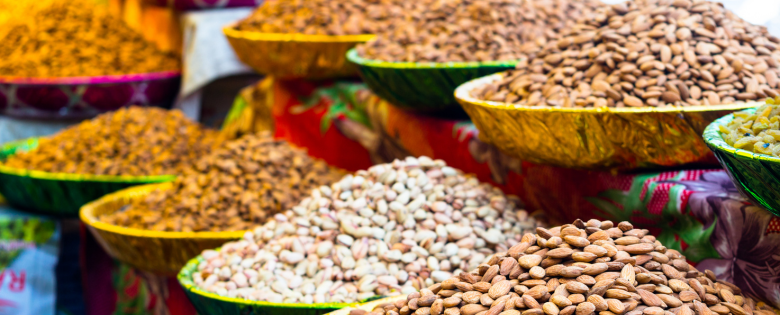
Old Delhi’s main street, laid out under Shah Jahan in the 17th century, is a maze of side lanes specialising in silver, saris, paper or wedding goods. At its western end, Khari Baoli is one of the largest spice markets in Asia, where sacks of chilli, turmeric and cardamom fill the air. Walking it costs nothing; the street food, from parathas to jalebi, costs very little. If you’d like a guide to the best stalls, a food tour by rickshaw covers the classics.
2. Jama Masjid
Built by Shah Jahan and completed in 1656, Jama Masjid is one of the largest mosques in India, with a courtyard that holds thousands of worshippers. Entry is free, though there’s a fee for cameras and phones used for photos, and visitors must cover their legs and shoulders. It closes to visitors during prayer times. Climbing the minaret, for a fee, gives a view over the rooftops of Old Delhi.
3. The Red Fort from outside
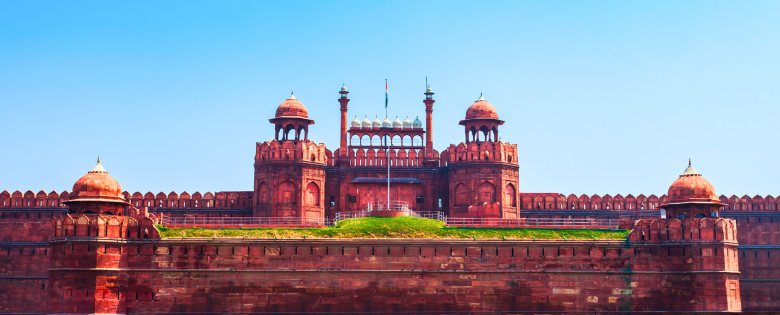
The red sandstone walls of the Red Fort, Shah Jahan’s palace and a UNESCO World Heritage Site, stretch for more than two kilometres along the edge of Old Delhi. The walls and the Lahori Gate can be seen for free from outside. Since February 2026 the fort is open every day, including Mondays, if you decide to buy a ticket to see the palaces inside.
4. Raj Ghat
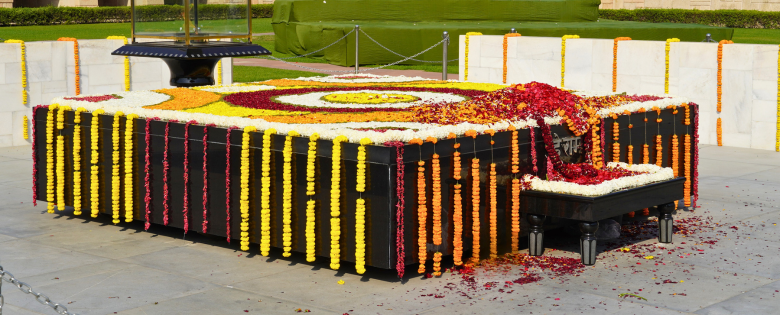
On the banks of the Yamuna, a black marble platform marks the spot where Mahatma Gandhi was cremated in 1948. It sits in quiet lawns, entry is free, and visitors remove their shoes before approaching the memorial.
New Delhi
5. India Gate, Kartavya Path and the National War Memorial
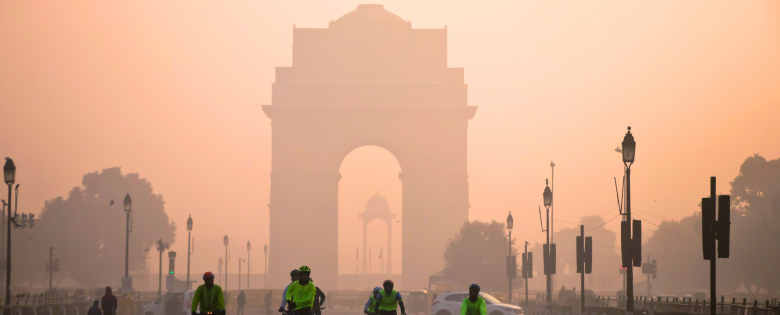
The 42-metre India Gate honours Indian soldiers who died in the First World War. It stands at the end of Kartavya Path, the ceremonial avenue renamed in 2022, which leads to the presidential palace. Next to it, the National War Memorial, opened in 2019, is free to visit. In the evening the lawns fill with families, ice-cream sellers and the lit-up arch.
6. Gurudwara Bangla Sahib
Delhi’s best-known Sikh temple, with its golden dome and sacred pool, welcomes everyone. Its langar, a community kitchen, serves free vegetarian meals to thousands of people a day, and visitors are welcome to eat or help. Cover your head (scarves are provided), remove your shoes and wash your feet before entering.
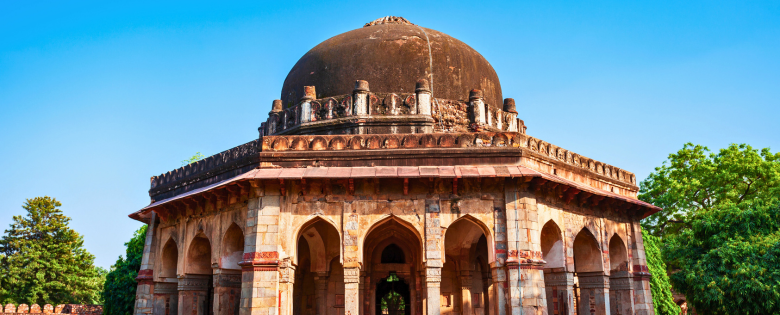
7. Lodhi Gardens
This large park in central Delhi holds tombs from the 15th and 16th centuries, built for rulers of the Sayyid and Lodi dynasties, among lawns, ponds and old trees. It’s free and popular with joggers and families early in the morning. The nearby Lodhi Colony has some of the city’s best street art.
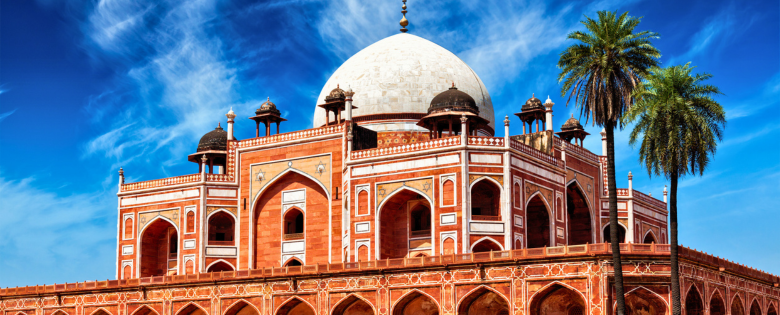
8. Humayun’s Tomb
The garden tomb of the Mughal emperor Humayun, completed around 1572 and a UNESCO World Heritage Site, is often called a forerunner of the Taj Mahal. Entry is paid, and it’s worth it: the red sandstone and marble mausoleum sits in a symmetrical Persian-style garden. Next door, the Nizamuddin neighbourhood holds the Sufi shrine of Nizamuddin Auliya, where devotional qawwali music is often performed on Thursday evenings.
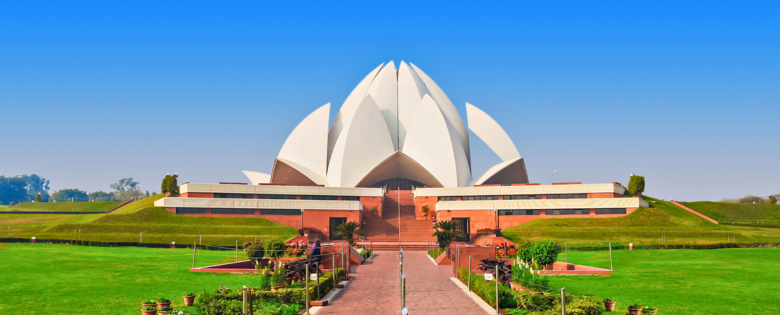
9. The Lotus Temple
The Bahá’í House of Worship, finished in 1986, is shaped like an open lotus flower of white marble. People of all faiths are welcome to sit in silence inside, and entry is free. It closes on Mondays.
South and East Delhi
10. Hauz Khas Village and the Deer Park
Around a 13th-century reservoir and the ruins of a madrasa, Hauz Khas Village mixes cafés, design shops and street art. The ruins and lake are free, and the adjoining Deer Park offers a shady walk between visits.
11. Mehrauli Archaeological Park and the Qutub Minar
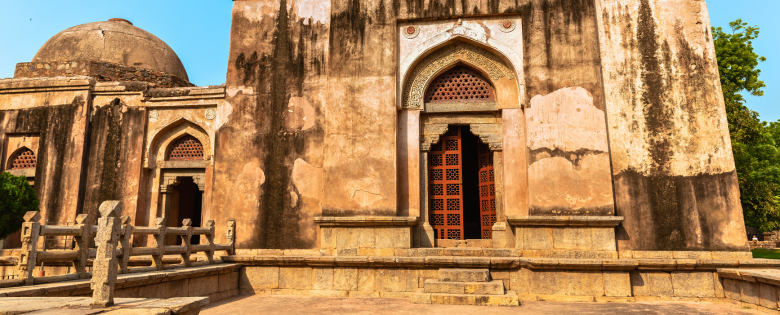
The Qutub Minar, the world’s tallest brick minaret at about 73 metres and a UNESCO World Heritage Site, charges entry. Next to it, the free Mehrauli Archaeological Park holds more than a hundred monuments, including tombs, stepwells and mosques, spread across a wooded park. In the evenings, the Qutub complex hosts a paid light and sound show.

12. Akshardham
East of the Yamuna, the Swaminarayan Akshardham temple, opened in 2005, is carved from pink sandstone and white marble. Entry to the complex is free, while the exhibitions and the evening water show are paid. Phones, cameras and bags aren’t allowed inside, and it closes on Mondays.
Free Tours, the Golden Triangle and FAQs
The free walking tour of Delhi starts at the Lal Mandir Jain temple opposite the Red Fort and ends at Jama Masjid, and at the end each participant decides how much to pay. Delhi is the starting point of the Golden Triangle with Agra and Jaipur. See our guides to free things to do in Agra and in Jaipur, and all options on our free tours in India page.
What can you do for free in Delhi?
Walk Chandni Chowk and the spice market, visit Jama Masjid, Raj Ghat, India Gate and the National War Memorial, eat at the langar of Gurudwara Bangla Sahib, stroll through Lodhi Gardens and Mehrauli Archaeological Park, and see the Lotus Temple.
Is the Red Fort open on Mondays?
Yes. Since February 2026 it’s open every day of the week, including Mondays.
Which Delhi sights are closed on Mondays?
The Lotus Temple and Akshardham close on Mondays. Check the opening days of museums before planning.
Can you eat for free at Bangla Sahib?
Yes. The langar serves free vegetarian meals to everyone, every day. Cover your head and remove your shoes before entering.
Can you take your phone into Akshardham?
No. Phones, cameras and bags must be left at the cloakroom before entering.
When is the best time to visit Delhi?
October to March, when temperatures are mild. From November to January, check the air quality index, as smog can be heavy.
How many days do you need in Delhi?
Two days cover Old Delhi and New Delhi. A third day allows Mehrauli, Akshardham or a day trip to Agra.
Are there free walking tours in English in Delhi?
Yes. The free walking tour of Old Delhi runs in English and covers the Red Fort, Chandni Chowk and Jama Masjid.
