

The Brussels Free Walking Tour is a 2 to 2.5-hour English-guided route from Grand Place through Manneken Pis, the Tintin street art wall, the Sablon area, Royal Square and Royal Parc.
This is a strong first walk in Brussels because the city can feel strangely divided at first glance. One moment you are standing in Grand Place, surrounded by guild houses, gold details and the Gothic tower of City Hall; a few streets later, you are looking at comic-book murals, small cafés, royal avenues, church façades and neighbourhoods that feel more local than monumental. A guided route helps connect those pieces instead of treating Brussels as only a postcard square and a quick stop for chocolate.
The tour begins in Grand Place, in front of City Hall, which makes sense historically and practically. This square is the ceremonial heart of Brussels, but the route quickly moves beyond it. Along the way, you see Manneken Pis, one of the city’s most recognizable symbols, and pass areas known for street art, galleries, bohemian corners and the upper Royal Quarter. That contrast is part of what makes Brussels interesting: courtly, comic, bureaucratic, rebellious and everyday at the same time.
Because this is a free tour, there is no fixed price to join. You reserve your place online, walk with an English-speaking guide, and decide at the end how much to tip based on the experience. It is especially useful at the beginning of your stay, before visiting museums, trying Belgian food, exploring the Sablon, or using the Brussels Card for paid attractions.
If you want a practical introduction to the city without overplanning your first day, this walk gives you the basic map: the lower historic centre, the symbolic stops, the artistic details and the royal side of Brussels in one compact route.

What You’ll See On The Free Tour Of Brussels
Grand Place
The Grand Place is the historic and symbolic centre of Brussels, framed by ornate guild houses, the Town Hall, and the Maison du Roi. Much of the square was rebuilt after the French bombardment of 1695, which is why its Baroque façades feel so visually coherent despite representing the power of different trades and corporations.
Manneken Pis
Small in size but central to the city’s identity, Manneken Pis reflects Brussels’s taste for irony and self-mockery. The statue has been dressed in hundreds of costumes over the centuries, and its wardrobe has become such a local institution that many visitors later seek out the collection displayed in the city.
Mont Des Arts
Mont des Arts links the lower and upper parts of Brussels and offers one of the clearest views toward the Town Hall tower. The area was redesigned in the 20th century to create a formal cultural quarter, bringing together museums, gardens, and public buildings in a part of the city once known for dense medieval streets.
Royal Palace And Brussels Park
The Royal Palace is used for official functions rather than as the monarch’s residence, but it remains an important symbol of the Belgian state. Facing it, Brussels Park was laid out in the neoclassical era on the site of the former Coudenberg Palace grounds, showing how the city shifted from a ducal court to a modern capital.
Galeries Royales Saint Hubert
Opened in 1847, these covered arcades were among the earliest in Europe and combined shopping, leisure, and architecture in a new urban format. Their glass roof, elegant façades, bookshops, cafés, and chocolate boutiques reveal the 19th-century ambition to present Brussels as a refined continental capital.
Marolles District
The Marolles has long been associated with working-class Brussels, antique dealers, flea markets, and a strong local identity. It is also one of the best places to understand social tensions in the city, especially after the 19th-century demolition campaigns linked to the construction of the Palace of Justice, a process that gave rise to the local term “bruxellisation.”
Tips to Enjoy the Free Tour Of Brussels
✔️ Wear Shoes With Grip Brussels has cobblestones, sloped streets, and often slick surfaces after rain. Comfortable shoes make a real difference, especially in the historic centre and around the upper town.
✔️ Carry A Light Waterproof Layer The weather can shift quickly even in mild seasons. A compact rain jacket or umbrella is more useful than dressing too heavily.
✔️ Arrive 10 To 15 Minutes Early Central Brussels can get crowded around major landmarks, and metro exits are not always as intuitive as they look on a map. Giving yourself a little extra time helps you find the guide without stress.
✔️ Bring Small Cash For The Tip Guides on a free tour of Brussels are usually tipped at the end according to your budget and satisfaction. Having some cash ready saves you from searching for an ATM afterwards.
✔️ Ask About Food And Beer Stops Brussels is full of places that look similar to first-time visitors, but locals know which streets are overpriced and which cafés or fritkot stands are worth your time. Your guide can often point you toward better options near the tour’s end point.
✔️ Keep A Day Pass Or Contactless Card Ready If you plan to continue to areas like the European Quarter, Atomium, or Ixelles later in the day, Brussels public transport is efficient and easy to use. It helps to be ready rather than figuring it out once you are tired.
✔️ Book Early In Peak Months Spring, summer, Christmas market season, and major weekends draw larger crowds. Reserving ahead gives you a better chance of joining the time slot and language you prefer.
Interesting Facts About Brussels
Brussels is often described through politics, but the city’s daily identity is more layered than its institutional image suggests. French is the main language you will hear in the centre, yet Brussels is officially bilingual with Dutch, and the local dialects and accents carry traces of the old Brabant region. That mix helps explain why place names, street signs, and even food traditions often reflect more than one cultural influence at once.
The city also has a long relationship with satire, comics, and visual wit. René Magritte turned ordinary objects into puzzles, Hergé gave Tintin a global life from Belgium, and comic-strip murals now appear across the cityscape. Even public symbols carry a playful edge, from Manneken Pis to the tradition of dressing statues and celebrating absurdity with complete seriousness.
Food in Brussels reveals another side of local culture. Fries are defended with near-political conviction, waffles come in distinct Brussels and Liège styles, and beer culture ranges from Trappist traditions to spontaneously fermented lambics brewed in and around the capital. In cafés and brasseries, these are not souvenirs for visitors but part of the rhythm of everyday city life.
Frequently Asked Questions
Where Is The Meeting Point For The Tour?
Typically at Grand Place, in front of the City Hall, but the exact meeting point will be shown after you book. Check your confirmation carefully and arrive a little early because central squares can be crowded.
How Long Does The Free Walking Tour Last?
Most free walking tours in Brussels last around 2 to 2.5 hours. The duration can vary slightly depending on the route, the pace of the group, and how many questions are asked along the way.
How Much Should I Tip The Guide?
There is no fixed price, which is the idea behind a free tour format. Many visitors tip based on the quality of the tour, local prices, and their travel budget, usually in cash at the end.
Is The Tour Suitable For Children And Seniors?
Yes, in most cases it is, as the route focuses on central areas and a manageable walking pace. Keep in mind that cobblestones, occasional inclines, and standing stops may be tiring for some travellers.
Is The Tour Accessible For Wheelchairs Or Strollers?
Parts of central Brussels are accessible, but older streets and uneven paving can make some sections less comfortable. It is best to check with the provider in advance if you need a route adapted for wheelchairs or very small children in strollers.
Does The Tour Run In Rain Or Cold Weather?
Usually yes, since Brussels weather is changeable and tours generally operate year-round. In cases of severe weather, the provider may contact you with changes or cancellation details.
Where Does The Tour End?
The end point depends on the route and guide, but it is usually still within the centre and close to public transport, food spots, or major sights. That makes it easy to continue sightseeing or stop for lunch after the walk.
How Many People Are Usually In A Group?
Group size varies by season and time slot. Some tours are relatively small, while others can be larger in summer and on weekends, so booking ahead is the best way to secure your place.
Free Tours in Belgium
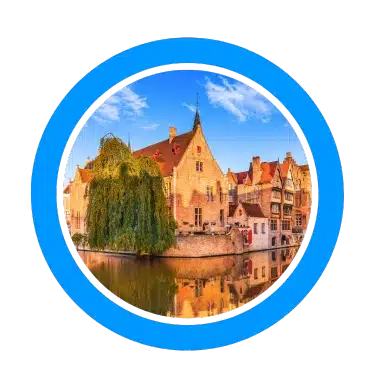
Bruges
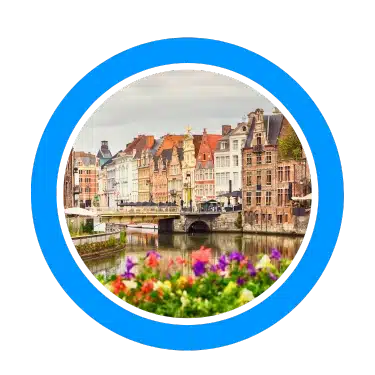
Ghent
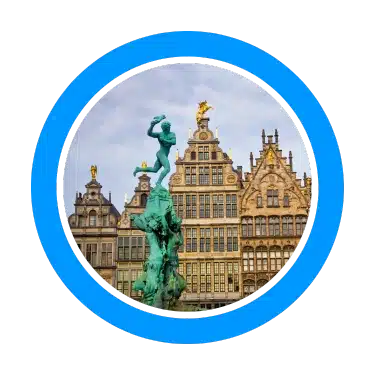
Antwerp
