

This five-hour guided tour of Florence starts outside the Accademia Gallery at Via Ricasoli 58/60, runs in English through the Accademia, Florence Cathedral and the historic centre, and finishes inside the Uffizi Gallery. The itinerary combines Michelangelo’s David, a guided cathedral visit, Piazza del Duomo, Piazza della Signoria, Ponte Vecchio and a final museum section covering the development of Florentine and Italian painting.
The day begins inside the Galleria dell’Accademia, where the guide places David alongside Michelangelo’s unfinished Prisoners and other works in the collection. After this first museum visit, the group has free time to eat independently. Food and drinks are not included, and the exact length of the break depends on the operating schedule for the later entrances.
The activity resumes at the Cathedral of Santa Maria del Fiore before continuing on foot through central Florence. Cathedral access is included as part of the guided itinerary, but the reservation does not include Brunelleschi’s Dome, Giotto’s Bell Tower, the Baptistery, the Opera del Duomo Museum or the archaeological area of Santa Reparata. The city walk then connects Florence’s religious centre with Piazza della Signoria, Ponte Vecchio and the Uffizi courtyard.
The final guided section takes place inside the Uffizi Gallery, where the commentary normally concentrates on major works by Botticelli, Leonardo da Vinci, Caravaggio and other artists represented in the collection. Once the guided visit finishes, you can remain inside the museum and continue independently. The booking calendar for this guided Florence visit shows current departure times, availability and participant prices. The reservation is currently non-refundable and cannot be modified, so check the date carefully before payment.
How the Five-Hour Florence Tour Works
The meeting point is outside the Accademia Gallery at Via Ricasoli 58/60. This is the museum’s official street address, a few minutes on foot from Piazza del Duomo. Arrive early enough to locate the tour representative and complete any group organization required before the timed museum entrance.
The first guided section takes place inside the Accademia Gallery. The route then pauses for free time so participants can eat at a nearby café or restaurant. Lunch is not provided, and the group may need to meet again at a specified place and time before continuing to the cathedral and historic-centre walk.
The second part includes Florence Cathedral and a walking route through the central streets. The guide introduces Piazza del Duomo before continuing toward Florence’s civic centre, Piazza della Signoria and Ponte Vecchio. The walk then reaches the Uffizi courtyard for the final museum admission.
The full activity lasts approximately five hours, including the independent lunch period. It finishes inside the Uffizi Gallery rather than returning to Via Ricasoli. After the guide concludes the museum explanation, participants may remain in the galleries until the applicable closing time.
The activity is conducted in English. English-language guidance is included throughout the scheduled portions, but the listing does not guarantee that the same individual guide will lead the Accademia, city and Uffizi sections. Follow the meeting instructions given during the tour whenever the group separates for free time.
Admission to the Accademia Gallery, Florence Cathedral and the Uffizi Gallery is included. Security screening and institutional controls still apply, and timed admission does not mean that every entrance will be instantaneous. Museum crowding, security procedures and conditions at the cathedral can affect the pace.
The Accademia Gallery and Michelangelo’s David
The Galleria dell’Accademia is the first interior visit. Although the museum holds paintings, musical instruments and sculpture from several periods, the guided route centres on Michelangelo and the development of monumental sculpture in Renaissance Florence.
Michelangelo carved David between 1501 and 1504 from a block of marble that had already been worked and abandoned by earlier sculptors. The figure was originally commissioned for Florence Cathedral, where it was intended to stand high above ground level. Its completed form led civic authorities to place it outside Palazzo della Signoria instead.
That change of location altered the statue’s public meaning. David, the smaller biblical figure facing a stronger opponent, became associated with the Florentine Republic and its claim to defend its independence. The original remained in Piazza della Signoria until it was moved to the Accademia during the 19th century to protect it from weather and damage.
The museum route also passes Michelangelo’s four unfinished Prisoners. These figures were conceived for the tomb of Pope Julius II, a project that changed repeatedly and was never completed according to its first designs. Their unfinished surfaces show visible tool marks and bodies emerging unevenly from the marble.
The contrast between the Prisoners and the polished figure of David gives the guide a practical way to discuss Michelangelo’s working process. It also prevents the Accademia visit from becoming a brief stop for one famous statue without explaining the artistic decisions surrounding it.
Other galleries contain religious paintings by Florentine artists, plaster models and historical musical instruments. The exact selection covered by the guide depends on museum conditions and the time available. Individual works can also be removed temporarily for conservation, research or loans.
Large backpacks, bulky bags and objects considered unsafe may be restricted. Carry only what you can comfortably keep with you or place in the available storage facilities. Food and drinks cannot be consumed during the guided museum visit.
Florence Cathedral and the Historic Centre
After the Accademia visit and lunch break, the route continues at Piazza del Duomo. The square contains the Cathedral of Santa Maria del Fiore, Giotto’s Bell Tower and the Baptistery of San Giovanni, three separate monuments developed across different construction periods.
The guided itinerary includes entry to Florence Cathedral. The church began in 1296 under Arnolfo di Cambio, while Filippo Brunelleschi’s dome was completed during the 15th century. Its scale reflects both religious purpose and the ambitions of a wealthy city competing through architecture, public commissions and civic ceremony.
Cathedral access does not include a climb inside Brunelleschi’s Dome or Giotto’s Bell Tower. It also excludes the Baptistery, Opera del Duomo Museum and Santa Reparata archaeological area. Those monuments require separate arrangements and should not be treated as part of this reservation.
The cathedral remains an active place of worship. Shoulders and knees must be covered, hats should be removed, and bulky bags may be refused. Religious services, ceremonies or institutional decisions can affect visitor access, even when a guided activity is scheduled.
From Piazza del Duomo, the walking tour follows the compact street plan of central Florence. Via dei Calzaiuoli provides the principal connection between the cathedral quarter and Piazza della Signoria. This short axis shows how closely Florence’s religious, commercial and governmental institutions developed.
Piazza della Signoria formed the civic centre of the Florentine Republic. Palazzo Vecchio housed government offices, while public sculpture and ceremonies turned the square into a visible statement of authority. The Loggia dei Lanzi still presents sculpture in an open public setting beside the palace.
The route also reaches Ponte Vecchio, the bridge lined with small shops above the Arno. The present stone bridge dates from the 14th century. Its commercial spaces were occupied by different trades before goldsmiths became closely associated with the crossing under Medici government.
The walking section covers these monuments from exterior public areas except for the included cathedral visit. It does not include Palazzo Vecchio, the Baptistery, the Loggia sculptures as a separate museum visit, or the shops and private spaces connected with the Vasari Corridor.
Inside the Uffizi Gallery
The Uffizi Gallery forms the final section of the activity. Giorgio Vasari designed the building during the 16th century to accommodate administrative offices for Cosimo I de’ Medici. The name derives from the Italian word for offices, reflecting the complex’s original governmental function.
Medici collecting gradually transformed parts of the building into spaces for art, antiquities and dynastic display. The museum now allows the guide to trace changes in Italian painting from medieval religious images through the experiments in space, anatomy, landscape and classical subject matter associated with the Renaissance.
Botticelli’s Primavera and Birth of Venus are among the collection’s central works. Their mythological subjects differ from the religious commissions seen elsewhere in Florence, but they also reflect the intellectual culture, patronage networks and interest in classical literature surrounding elite Florentine circles.
The collection also includes works connected with Leonardo da Vinci, Michelangelo, Raphael, Titian and Caravaggio. A five-hour combined itinerary cannot cover every room in depth, so the guide selects representative works rather than attempting a complete chronological tour of the museum.
The exact route can change because of gallery closures, crowd management, restoration, loans and temporary exhibitions. Even major works may occasionally be unavailable. The reservation guarantees the guided Uffizi visit, not the display of every painting named in general descriptions of the collection.
The tour finishes inside the museum. Remaining after the guide leaves is useful for revisiting a room, seeing works omitted from the guided selection or continuing at a slower pace. Re-entry is not normally possible after leaving, so complete any independent viewing before passing the final exit.
The Uffizi provides accessible entrances, lifts, toilets and mobility support, but the complete activity also includes central Florence’s stone paving and a long period on foot. Accessibility needs must be indicated during booking, and Civitatis requires wheelchair users to attend with an accompanying person.
Practical Information and Frequently Asked Questions
Wear shoes suitable for several hours of museum standing and walking on stone streets. Carry clothing that covers shoulders and knees for Florence Cathedral, even during hot weather. Pets are not permitted, and the activity requires a minimum of two participants to operate.
How long does the tour last?
The complete activity lasts approximately five hours. This includes the Accademia Gallery, independent lunch time, Florence Cathedral, the historic-centre walk and the guided Uffizi Gallery visit.
Where does the activity start and finish?
The meeting point is outside the Accademia Gallery at Via Ricasoli 58/60. The tour finishes inside the Uffizi Gallery, where participants may remain after the guided explanation ends.
Which admissions are included?
Admission to the Accademia Gallery, Florence Cathedral and the Uffizi Gallery is included. Dome access, Giotto’s Bell Tower, the Baptistery, the Opera del Duomo Museum and Santa Reparata are not included.
Is lunch included?
No, food and drinks are not included. The itinerary provides free time to eat independently between the Accademia visit and the later cathedral and city sections.
Is the entire tour conducted in English?
Yes, the scheduled guided portions take place in English. The provider may assign different English-speaking guides to separate sections, so one individual guide is not guaranteed for all five hours.
What should I wear for Florence Cathedral?
Shoulders and knees must be covered, and hats should be removed before entering. Bulky luggage and bags may also be refused because the cathedral applies its own security and worship regulations.
Is the activity wheelchair accessible?
Civitatis classifies the activity as wheelchair accessible and lists accessible toilets and a wheelchair-loan service. An accompanying person is required, and accessibility needs must be stated during booking so the complete museum and street route can be coordinated.
Can the reservation be cancelled or changed?
No, the current reservation is non-refundable and does not permit modifications. Confirm the date, participant details and schedule before completing payment.
Is there a minimum number of participants?
Yes, the activity requires at least two participants to operate. If the minimum is not reached, the booking platform will contact affected travelers and offer the available alternatives.
More Tours in Florence
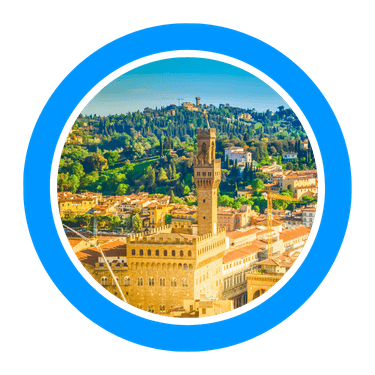
Palazzo Vecchio

Florence’s Center
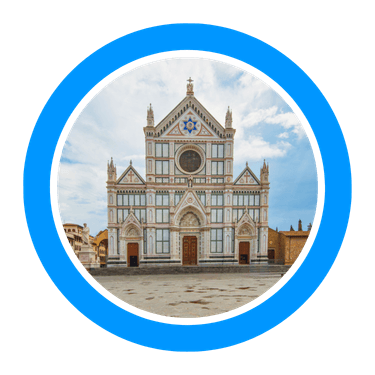
Santa Croce Basilica
