

This 2-hour 30-minute street food free tour of Lima begins at the Church of La Merced and explores two places that reveal how the Peruvian capital actually eats: Mercado Central and Barrio Chino. With an English-speaking guide, you will walk through market stalls filled with ingredients from across Peru, learn how everyday products are used in local cooking and discover how Chinese migration helped create chifa, one of the country’s most distinctive culinary traditions.
The tour is less about ticking off famous monuments and more about seeing food where it is bought, prepared and consumed. At Mercado Central, fruit, vegetables, meats, seasonings and other products arrive from Peru’s coast, Andes and Amazonian regions. A few streets away, Lima’s Chinatown adds another layer to that story through Chinese-Peruvian businesses, restaurants and foods that developed after large-scale Chinese migration began in the 19th century.
Along the way, the guide explains the ingredients, flavors and cultural exchanges behind Lima’s popular food. You will have opportunities to buy sweet and savory specialties, drinks and chifa dishes at the places visited, but food and beverages are not included in the free tour itself. The exact items available can also vary from one departure to another, so this is better understood as a guided introduction to Lima’s street-food culture than as a fixed tasting menu.
The activity is sold for English-speaking travelers, although the guide also speaks Spanish. Like other free tours, there is no fixed fee for the guide’s service: at the end, each participant decides what voluntary contribution to leave according to their experience. Any food or drinks purchased during the route are paid separately.
How the Lima Street Food Free Tour Works
The usual meeting point is the Church of La Merced in central Lima. Civitatis notes that the location can vary depending on the selected date and departure time, so always check the meeting point shown on your electronic voucher before setting out.
From here, the tour heads toward Mercado Central, one of the busiest food and commercial areas in central Lima. Instead of simply passing the market from outside, the experience focuses on its products and vendors, giving you a closer look at ingredients that appear throughout Peruvian cooking.
The route then continues to Barrio Chino, Lima’s historic Chinatown. This section introduces the migration of Chinese communities to Peru during the 19th century and explains how their cooking techniques and ingredients eventually became part of everyday Peruvian cuisine.
The complete experience lasts approximately 2 hours 30 minutes. Civitatis does not publish a fixed list of tastings because the foods available can change, and any food or drinks you choose to try are paid separately.
This distinction is important when booking. The activity is a free guided food walk with opportunities to eat along the way, not an all-inclusive food tour with a predetermined tasting menu.
Mercado Central and the Ingredients of Peruvian Cooking
Mercado Central is one of the main confirmed stops on the tour. Located in the historic centre, it brings together food and products from very different parts of Peru and offers a practical introduction to the enormous geographical variety behind the country’s cuisine.
Peru combines a long Pacific coastline, high Andean valleys and tropical Amazonian regions, and ingredients from all three environments reach Lima every day. Walking through the market makes that diversity visible in a way that a restaurant menu cannot.
Fruit, Vegetables and Regional Products
The guide introduces some of the representative products found in the market and explains how they are used in Peruvian cooking. Depending on the season, the stalls may include tropical and Andean fruits, different varieties of potatoes, corn, peppers, herbs and other ingredients that are less familiar outside Peru.
The point is not to memorize a list of ingredients. Seeing them in context helps explain why Peruvian cuisine varies so much between dishes and why Lima became an important meeting point for foods arriving from different ecological regions.
A Working Market, Not a Food Museum
Mercado Central remains an active commercial space used by residents and businesses rather than an attraction designed only for visitors. That gives the tour a different rhythm from a conventional sightseeing walk.
You may see shoppers comparing produce, vendors preparing orders and stalls selling ingredients alongside inexpensive prepared foods. The guide can also help identify products and explain how they fit into dishes you may encounter later during your trip.
If something interests you, you can choose to buy it during the visit, but purchases are optional and are not included in the free tour.
Barrio Chino and Lima’s Chifa Tradition
After Mercado Central, the tour continues into Barrio Chino. The two areas sit close together in central Lima, but the culinary story changes significantly as the guide introduces the Chinese migration that began reshaping Peruvian food during the 19th century.
Large numbers of Chinese migrants, particularly from southern China, arrived in Peru from the middle of the 19th century. Over time, Chinese-owned businesses and restaurants became established in Lima, and ingredients and cooking techniques adapted to what was available locally.
What Is Chifa?
Chifa is the Peruvian culinary tradition that developed from this meeting between Chinese, especially Cantonese, cooking and local Peruvian ingredients and tastes. Today it is so deeply integrated into everyday food culture that chifa restaurants can be found throughout Peru rather than only inside Chinatown.
The tour uses Barrio Chino to explain this process in the place where many of those connections became particularly visible. Restaurants, bakeries, food shops and businesses selling Chinese ingredients sit within a district that has been associated with the Chinese-Peruvian community for generations.
Sweet and Savory Street Food
During the route, you will have opportunities to purchase different sweet and savory foods and drinks. The specific options depend on availability and the stops used on the day of your tour.
Previous departures have featured fruit, juices, Chinese-Peruvian bites and traditional sweets, but no individual dish should be treated as guaranteed. This flexibility is useful in a working food district, where stalls, vendors and available products naturally change.
If you have allergies, dietary restrictions or ingredients you avoid, ask the guide before purchasing anything. Because tastings are optional rather than included as a fixed menu, you retain more control over what you choose to eat.
Practical Information and Frequently Asked Questions
The tour lasts 2 hours 30 minutes and is conducted with an English-speaking guide. Civitatis also states that the guide speaks Spanish, although this product is marketed specifically to English-speaking travelers.
Only some parts of the route are currently classified as wheelchair accessible. Accessible toilets are available, but an accompanying person is required and accessibility needs must be indicated when making the reservation.
Pets are permitted only in outdoor areas. Keep this restriction in mind because the route includes market spaces where animals may not be allowed to enter.
Reservations can currently be made until 24 hours before the activity while places remain. The booking voucher is electronic and can be shown directly from your phone.
Groups travelling together cannot exceed 6 people, even if they attempt to split themselves between several separate reservations.
Where Does the Lima Street Food Free Tour Start?
The usual meeting point is the Church of La Merced in central Lima. The exact meeting point can vary by date and time, so check your electronic voucher before the tour.
How Long Does the Tour Last?
The published duration is 2 hours 30 minutes.
What Places Does the Tour Visit?
The confirmed itinerary focuses on Mercado Central and Barrio Chino, where the guide explains Peruvian ingredients, Chinese migration and the development of chifa cuisine.
Are Food Tastings Included?
No. Food and drinks are paid separately. The guide takes you to places where you can try local specialties, but the exact items available vary according to the day and the vendors operating at the time.
Is the Tour in English?
Yes. The English product includes an English-speaking guide. Civitatis also states that the guide speaks Spanish.
Is the Tour Wheelchair Accessible?
Partially. Only some areas are wheelchair accessible. Accessible toilets are available, an accompanying person is required and this must be indicated when booking.
Are Pets Allowed?
Yes, but only in outdoor areas.
Can Groups of More Than 6 People Join?
No. Groups travelling together cannot exceed 6 participants, even if they make separate reservations.
Free Tours in Peru
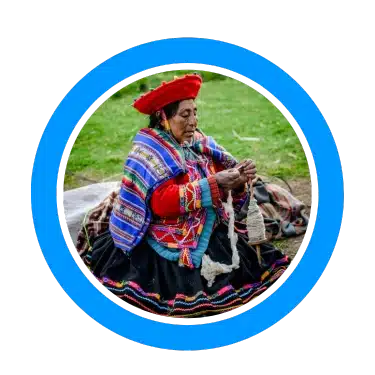
Cusco’s Historical Center
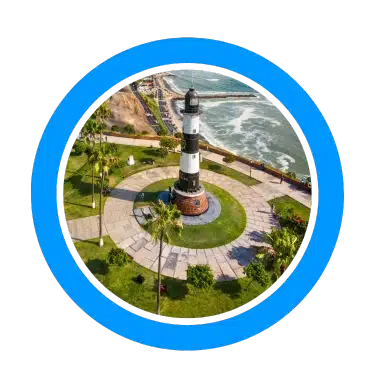
Barranco in Lima

Historic Center of Lima
