

This two-hour private Rome walking tour takes place in English, starting at Piazza di Spagna and continuing through the Trevi Fountain and Pantheon area before finishing in Piazza Navona.
Rome’s historic centre developed through successive layers of rebuilding. Ancient stadiums became piazzas, temples became churches, and Baroque fountains were inserted into streets that still follow much older lines. On foot, those layers are easy to read because the distances between major monuments are short, but the centuries between them are not.
The walk brings together places that reveal different parts of that story. The Spanish Steps connect a public square with the church above it; Trevi turns a water supply into monumental theatre; the Pantheon preserves an ancient structure within a living neighbourhood. Piazza Navona shows how the footprint of a Roman sporting venue could survive through an entirely different use.
Your guide works exclusively with your party, giving you space to ask questions and discuss the subjects that interest you most. Architecture, the relationship between ancient and papal Rome, or the city’s appearances in cinema can provide a focus. If you want to change the itinerary, describe your preferences when booking so that the arrangements can be agreed in advance.
The experience centres on walking, commentary and the public spaces around the monuments. Admission tickets are separate, which matters if seeing the Pantheon’s interior is a priority. Plan any ticketed visit alongside the walk rather than assuming it fits automatically into the schedule. The standard route provides a manageable introduction to this part of Rome and leaves you in a useful position to continue independently.
From the Spanish Steps to Piazza Navona
Piazza di Spagna and the Spanish Steps
The starting square introduces Rome as a place shaped by diplomacy, religion and international visitors. The Spanish Steps rise towards Trinità dei Monti, creating a broad architectural connection between the streets below and the church above. Their curves and landings turn a change in elevation into the square’s defining feature.
At ground level, the boat-shaped Barcaccia fountain offers a smaller detail to examine. Its low profile contrasts with the staircase behind it. Together, they demonstrate how water, sculpture and movement can organise a public space at very different scales.
Trevi Fountain
The Trevi Fountain brings the relationship between water and architecture into sharper focus. Its eighteenth-century design is attached to Palazzo Poli, giving the palace façade the appearance of an enormous stage. Rockwork, flowing water and sculpted figures draw attention towards the central figure of Oceanus.
The fountain also connects with the much older history of the Virgo aqueduct. That combination makes Trevi a useful example of how Rome repeatedly gave new visual form to existing infrastructure. The water supply and the monument surrounding its outlet belong to different periods.
Access to the lower viewing area nearest the basin is managed separately and may require a ticket. The fountain stop does not automatically include that paid access. If approaching the basin is important to you, discuss the timing and arrangements before the visit.
The Pantheon and Piazza della Rotonda
The Pantheon introduces a substantial surviving building from imperial Rome. Its columned portico faces Piazza della Rotonda, while the enormous circular structure behind it holds the celebrated concrete dome. The building seen today largely belongs to Hadrian’s reconstruction in the second century AD.
The inscription naming Agrippa recalls an earlier phase of the monument. That distinction is useful when reading Roman architecture: the person named on a façade and the ruler responsible for the surviving structure are not always the same.
Its conversion into a church helped preserve the building through later centuries. From the square, you can appreciate its scale and setting; experiencing the dome and oculus from inside requires a separate visit and admission arrangements.
Piazza Navona
Piazza Navona preserves the elongated footprint of the Stadium of Domitian, built for athletic contests in the first century AD. Its shape makes the ancient structure legible even where the surrounding buildings belong to much later periods.
The fountains introduce the square’s Baroque character, including the Fountain of the Four Rivers. Comparing the long open space with its sculptural centrepieces brings the walk’s main theme together: successive generations inherited Rome’s older forms and gave them new meanings.
Planning a Private Walk Around Your Interests
Choose one or two priorities before sending your preferences. If architecture interests you, the relationship between the Pantheon, Trevi and Piazza Navona already provides substantial material. If this is your first visit, ask for practical orientation between the squares as well as their history.
For a family outing, share the children’s ages and the subjects they enjoy. A specific request, such as explaining how Romans supplied water or how a stadium became a square, gives the guide more direction than a general request to make the walk entertaining.
Changes work best when they account for walking time. Adding a distant landmark may mean replacing part of the suggested route. Agree those trade-offs before departure, especially if you want to include a ticketed interior or finish somewhere different.
After Piazza Navona, you can continue towards Via dei Coronari and the Tiber, or return to the Pantheon for a separately arranged interior visit. The Roman Forum and Colosseum deserve their own time in your itinerary. Treating them as a separate outing allows more attention to their archaeological setting.
Tips for Your Private Rome Walking Tour
Send your priorities when booking. Mention places you have already visited, any proposed route changes and your next timed reservation. This helps shape a realistic walk around the time available.
Locate the exact meeting spot. Piazza di Spagna is a large, busy setting. Save the instructions from your confirmation and allow time to find the guide once you reach the square.
Dress for time outdoors. Wear shoes with good grip and check the forecast for your departure. In hot weather, bring water and sun protection; on wet days, choose footwear that remains secure on stone paving.
Keep your bag closed while taking photographs. Around Trevi and the Spanish Steps, it is easy to concentrate on the view and lose track of your belongings. Stop where you can photograph comfortably without blocking other pedestrians.
Arrange interior visits before committing to other plans. If the Pantheon’s dome is a priority, organise its admission and timing separately. Leave a gap between the walk and another booking rather than assuming immediate entry.
Check menus before sitting down. If you stop for coffee or a meal near a major square, review the displayed prices and any table-service charges. Avoid planning around a fixed espresso price that may differ from one café to another.
Frequently Asked Questions
How Long Does the Tour Last?
Two hours. Allow additional time to reach the meeting point.
Where Does It Start and Finish?
The standard itinerary begins at Piazza di Spagna and ends in Piazza Navona.
Is the Guide Exclusive to Our Group?
Yes. An English-speaking guide accompanies only your party.
Can We Change the Route?
You can request changes in the booking comments. Agree the revised itinerary before the tour.
Are Monument Tickets Included?
No. Museum and monument admission must be arranged separately.
Is the Tour Wheelchair Accessible?
No. This activity is listed as not wheelchair accessible; customisation does not guarantee an adapted route.
When Does Booking Close?
Nine hours before departure, subject to availability.
What Is the Cancellation Policy?
Cancellation is free up to three days before the activity. Later cancellations and no-shows are non-refundable.
More Tours in Rome

Castel Sant’Angelo
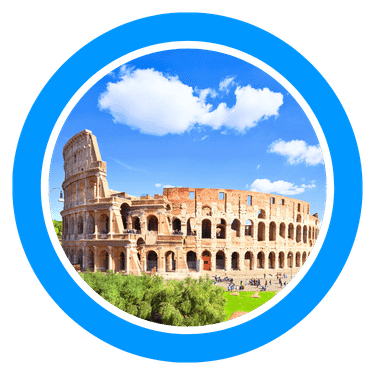
Colosseum
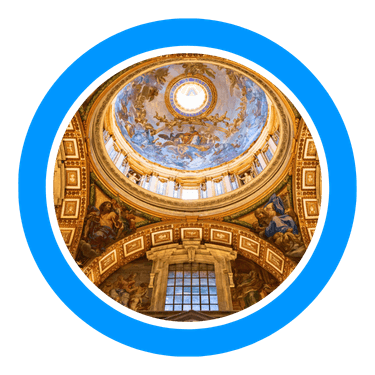
St. Peter’s Basilica
