This full-day knife-making experience in Seki begins at Sekitomioka Station at 10:06 AM and combines a 2.5-hour hands-on Damascus knife workshop with a Japanese lunch, local transport and a visit connected with Seki’s sword-making heritage. During the workshop, you choose from available Santoku, Gyuto, Nakiri or Bunka profiles, personalize the blade with your own hand-drawn design, polish and sharpen the knife, test its cutting edge and take the finished full-size kitchen knife home the same day.
This is not a blacksmithing class in which you forge a blade from red-hot raw steel. The knife begins as a prepared Damascus blade, allowing you to concentrate on the finishing stages that strongly influence both its appearance and performance. A craftsman with more than 50 years of experience guides you through polishing, etching and sharpening while explaining how small changes in pressure, angle and technique affect the result.
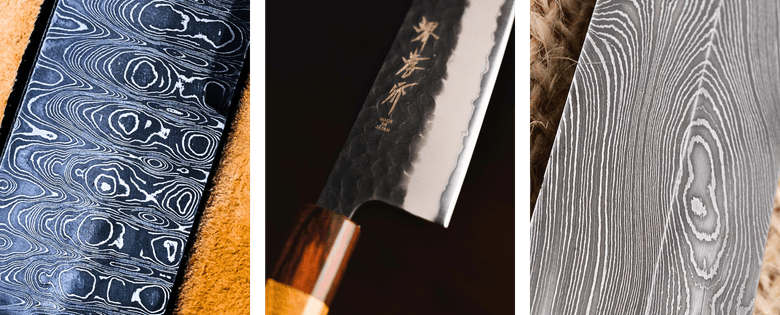
The most distinctive step is the blade design. Instead of selecting only a standard machine engraving, you can draw your own name, short message, symbol or simple artwork directly onto the knife. The etching process then reveals your design alongside the layered Damascus pattern, making the finished blade visibly different from one purchased straight from a shop.
No previous knife-making or sharpening experience is required. Instruction is available in English and Japanese, groups are limited to 5 participants, and the experience is for adults aged 18 and older. A Japanese lunch, museum admission, transport between the day’s local stops and a certificate of completion are included.
How the Seki Knife-Making Day Works
The day begins at Sekitomioka Station on the Nagaragawa Railway. The meeting time is coordinated with the train arriving at 10:06 AM, where a driver collects the group for the short transfer to the knife-making facility.
Transportation from cities such as Nagoya, Kyoto or Osaka to Seki is not part of the booking. You make your own way to Sekitomioka Station, while transportation between the local activities is included once the experience begins.
The main workshop lasts approximately 2 hours 30 minutes and takes place at the G. Sakai Knife Museum and workshop facility. Here you meet the craftspeople, choose the available knife profile you want to work on and begin transforming the prepared blade into your personalized kitchen knife.
After completing the knife, the itinerary includes approximately one hour for Japanese cuisine at a local restaurant. The exact meal can vary, so expect a local Japanese lunch rather than one guaranteed dish.
The broader day also introduces Seki’s connection with Japanese sword making. The exact heritage stop can change according to operating conditions and opening schedules, particularly while local museum facilities undergo renovation.
At the end of the experience, transport returns you to Sekitomioka Station with your finished knife and certificate. Because the craft portion can occasionally take longer than expected, avoid planning an extremely tight onward connection.
Designing Your Own Damascus Japanese Knife
The knife-making session begins with a prepared Damascus blade rather than an unworked piece of steel. This distinction makes it possible to complete a functional full-size kitchen knife within a single workshop while still performing several important stages yourself.
Choosing the Knife Profile
Four Japanese kitchen-knife profiles are offered depending on availability: Santoku, Gyuto, Nakiri and Bunka. The exact selection can change on the day, so arrive with a preference rather than assuming one specific style will definitely remain in stock.
Santoku is a versatile home-kitchen profile suited to vegetables, meat and fish. Gyuto has a longer chef’s-knife shape that works well for slicing and general preparation. Nakiri has a flatter cutting edge designed primarily around vegetable work, while Bunka combines an all-purpose profile with a distinctive pointed tip.
The instructors can help you understand the practical differences before you make your selection.
Drawing Directly on the Blade
The personalization stage goes beyond entering a name into an engraving machine. You can hand-draw a name, initials, short message, symbol or small piece of artwork directly on the blade.
Simple, bold designs work especially well because they remain clear when transferred through the etching process. If you have a particular symbol or short piece of text in mind, preparing the idea before your visit can save time once you begin working.
Revealing the Damascus Pattern
The blade then goes through an etching stage that makes both your personal design and the characteristic layered Damascus pattern more visible.
This means the customization becomes part of the surface treatment of the blade rather than looking like a separate souvenir inscription added after the knife is complete.
Recent participants have also taken part in handle finishing and assembly during their sessions. The exact workshop flow can vary, while polishing, blade design, etching, sharpening and test cutting form the core published experience.
Polishing, Sharpening and Testing the Finished Blade
The workshop is guided by a craftsman with more than 50 years of experience, and one of its most useful elements is learning techniques that matter after you leave Japan rather than only decorating an object to display at home.
Polishing the Knife
Polishing refines the surface of the blade before the final sharpening and finishing stages. You learn that the appearance of a knife is not produced by one final wipe at the end, but by progressively controlling the surface through careful abrasive work.
The instructor demonstrates each movement and helps you adjust your technique as you work, so no previous experience with metal finishing is necessary.
Learning to Sharpen
Sharpening is one of the most practical parts of the activity because the knife you finish is intended for real kitchen use. The craftsman shows you how the edge is developed and how pressure and angle affect the final result.
Recent participants have also worked with Japanese whetstones during this stage. The aim is not to turn a beginner into a professional sharpener in one afternoon, but to give you a much clearer idea of what a correctly maintained edge should feel like.
Testing the Edge
Once the knife is finished, you perform a sharpness test yourself. Fresh vegetables are used to demonstrate how the blade moves through food after the polishing and sharpening stages.
This is an important final step because the knife is not intended only as a decorative souvenir. You leave with a practical kitchen tool whose performance you have already tested with your own hands.
Seki’s Knife and Samurai Sword Heritage
Seki’s blade-making history reaches back more than 700 years. Swordsmiths established themselves in the region during the medieval period, taking advantage of local resources and developing techniques that eventually gave Seki a reputation for strong, sharp Japanese swords.
The city later adapted that accumulated metalworking knowledge to modern cutlery. Today Seki produces kitchen knives, scissors, professional cutting tools and other edged products, combining skilled manual work with modern manufacturing technology.
G. Sakai Knife Museum
The workshop is connected with the G. Sakai Knife Museum facility, where collections of unusual knives and other cutlery help place your own blade within Seki’s modern manufacturing culture.
This is best understood as a working knife environment with displays, production connections and retail space rather than a large conventional history museum. Its value comes from seeing a wide range of blade shapes and uses immediately before or after working on your own knife.
Samurai Heritage Stop
The day also includes a sword-related heritage component designed to connect today’s kitchen knives with Seki’s much older swordsmithing tradition.
The exact location can change. The Seki Traditional Swordsmith Museum is closed for renovation from September 7, 2026 through March 31, 2027, so bookings during that period should expect the heritage portion of the itinerary to be adapted rather than relying on that museum as a guaranteed stop.
Alternative sword-related workshops or specialist facilities may be used depending on availability. Check the final itinerary provided for your date rather than booking solely for access to one specific museum.
The connection remains relevant even when the exact stop changes: Seki’s modern knife industry grew from a regional craft culture shaped over centuries by swordsmiths, polishing specialists and other blade workers.
Meeting Point, Inclusions and Frequently Asked Questions
Meet at Sekitomioka Station on the Nagaragawa Railway at 10:06 AM. The meeting time is coordinated with the arriving train, and the driver then transports the group to the workshop.
The experience includes the full-size Damascus kitchen knife you complete and take home, workshop tools and materials, instruction, polishing and sharpening, the test cut, Japanese lunch, local licensed transportation, relevant admission fees, English-speaking support and a certificate of completion.
The tour is limited to a maximum of 5 participants and is not suitable for anyone under 18. If you are carrying large luggage, make arrangements in advance rather than arriving at the rural station with oversized cases unexpectedly.
Accessibility for the complete itinerary is not currently guaranteed. The day involves a working knife facility, vehicle transfers, a restaurant and a heritage stop that can vary, so travelers with mobility requirements should confirm the exact arrangements before booking.
Your knife can be taken home on the same day. If you are flying later in your trip, pack sharp knives in checked baggage and verify the current rules of your airline, transit countries and final destination before departure.
How Long Does the Seki Knife-Making Experience Last?
Plan for most of the day. The published itinerary includes approximately 2.5 hours at the knife workshop, one hour for lunch, a blade-heritage visit and transport between the different locations.
Do I Forge the Knife from Raw Steel?
No. You begin with a prepared Damascus blade and personally complete key finishing stages such as polishing, hand-drawing the blade design, etching, sharpening and test cutting.
Can I Choose the Knife Style?
Yes. Santoku, Gyuto, Nakiri and Bunka profiles are offered, subject to availability on the day of your workshop.
Can I Put My Own Design on the Blade?
Yes. You can hand-draw a name, message, symbol or simple artwork directly on the blade before the etching process reveals it alongside the Damascus pattern.
Do I Keep the Finished Knife?
Yes. The full-size kitchen knife you work on is yours to take home on the same day.
Is Lunch Included?
Yes. A Japanese lunch at a local restaurant is included. The exact dish can vary by date.
Will I Visit the Seki Traditional Swordsmith Museum?
Not on dates during its current renovation closure. The museum is closed from September 7, 2026 through March 31, 2027, so the sword-heritage portion of the day may use an alternative local facility during that period.
Can Children Participate?
No. This particular knife-making experience is currently restricted to participants aged 18 and older.
Where Does the Experience Start and End?
The day starts at Sekitomioka Station at 10:06 AM and returns to Sekitomioka Station after the activities are complete.
Popular Activities in Japan
Kyoto Wagashi-Making Class
Maiko Makeover in Kyoto

Gifu Japanese Cooking Class with Master Chef