

Liverpool’s food identity is unusually easy to read on the plate. A city that coined its own demonym from a stew, built one of Britain’s biggest Irish communities around the docks, and fed generations through markets, bakeries and chip shops was never likely to be defined by aristocratic dining. Here, the traditional table runs on scouse, pudding slices, smoked fish, pease pudding and Friday-night suppers shaped by port traffic, Catholic habits and a fierce talent for making filling food from modest ingredients.
These are the Liverpool foods worth seeking out, from the city’s namesake stew to old-school bakery classics and market staples.
1. Scouse (Lamb or Beef Stew)
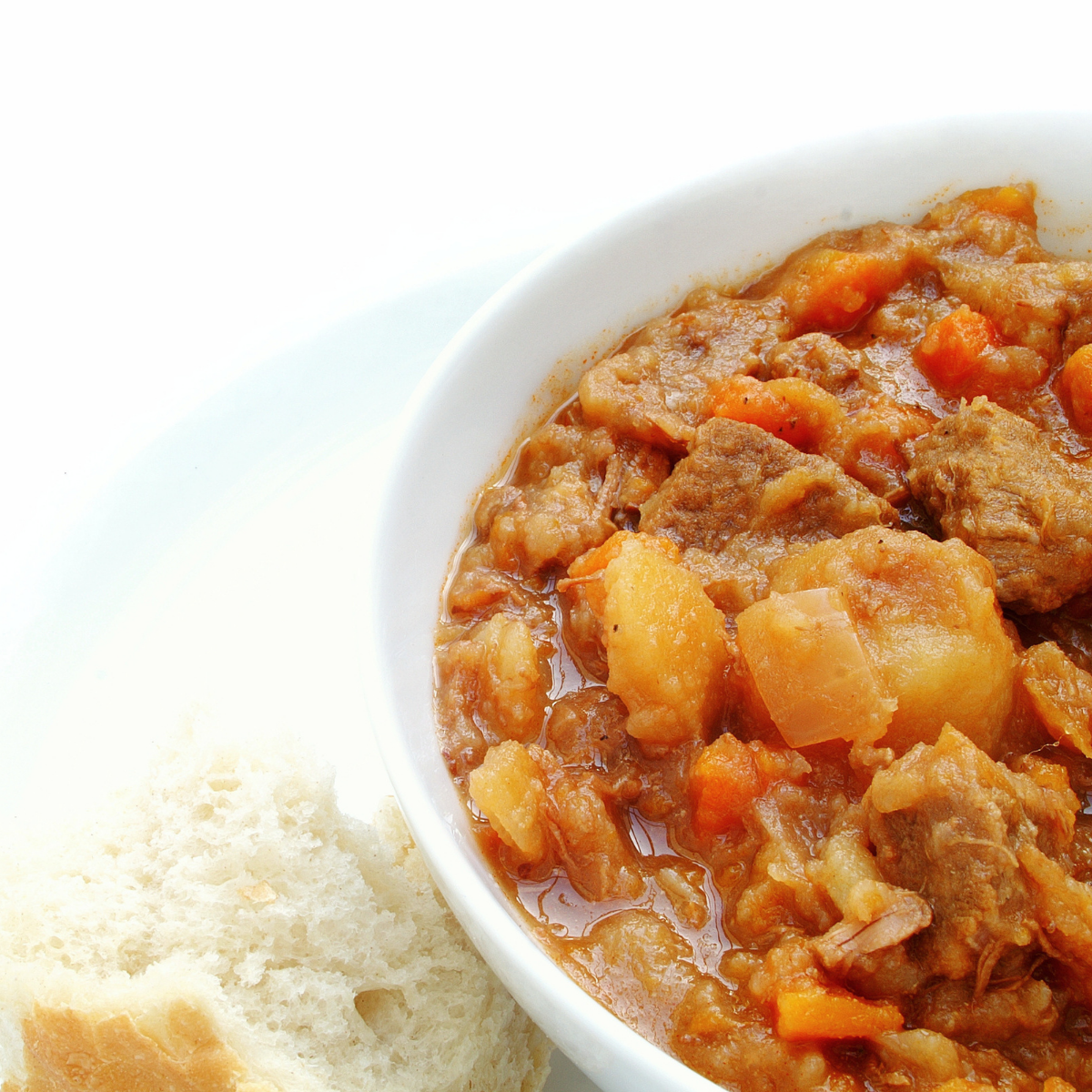
Scouse is Liverpool’s defining dish, a slow-cooked stew usually made with lamb or beef, potatoes, carrots and onions, sometimes thickened by the potatoes breaking down rather than by flour. Its name is linked to lobscouse, a sailors’ stew eaten around North European ports, but in Liverpool it became a distinct working-class meal in the nineteenth century, especially in courts and terraces where one pot had to feed a large family cheaply. A lesser-known local detail is that older Merseyside recipes often distinguished between everyday scouse and a leaner “blind scouse” made without meat when money was tight, which tells you a lot about the dish’s place in household budgeting rather than restaurant culture.
In Liverpool, Maggie May’s on Bold Street and in the city centre is one of the best-known places to order a bowl of scouse with crusty bread and pickled red cabbage or beetroot. You will also sometimes find it as a special in traditional pubs around the Georgian Quarter or near the waterfront, especially in colder months when menus lean more heavily on old northern staples.
2. Wet Nelly (Liverpool Bread Pudding)
Wet Nelly is Liverpool’s dense, moist bread pudding, made from stale bread, dried fruit, spices and tea or milk, then baked until the centre stays almost custardy. It belongs to a long British pudding tradition, but in Liverpool it is especially tied to frugal home baking and to the habit of stretching bakery leftovers in households where waste was frowned upon. One local detail worth knowing is that the name itself was common enough in Merseyside speech to mark the pudding out from generic bread pudding menus, and older versions were often sold in substantial tray-bake squares rather than delicate slices, reflecting canteen and bakery service rather than tea-room presentation.
Try Wet Nelly at Homebaked in Anfield, where the bakery’s community roots suit the pudding’s working-class history, or look for it in old-style cafés around the city centre. Order it with tea if you want the pairing many older Liverpudlians would recognise at once.
3. Liverpool Tart (Treacle Tart with Lemon)
Liverpool Tart is a local variation on treacle tart, usually made with shortcrust pastry and a filling of breadcrumbs, golden syrup and lemon, often with a sharper citrus note than versions elsewhere. It is closely associated with school dinners, church socials and family baking rather than with restaurant cooking, which is one reason many visitors miss it entirely. In Merseyside, the breadcrumb filling was not just about texture. It sat squarely in the city’s wider economy of using yesterday’s loaf in sweet and savoury cooking alike, from puddings to stuffing, a practical habit in dockside households where bakery bread was bought often but never wasted.
Look for it in independent bakeries and tea rooms rather than formal dining rooms, especially in Aigburth, Woolton and older cafés in the city centre. If it appears on a dessert board, order it warmed with custard, which is still the most recognisable way to serve it in cooler weather.
4. Pea Wack (Pease Pudding Sandwich)
Pea Wack is one of those Merseyside foods outsiders rarely know: a thick pease pudding, usually made from split peas, spread into bread or a bread roll as a cheap, filling lunch. It reflects Liverpool’s old taste for dockside and factory food that could be carried easily and eaten quickly, and it sits in the same northern family as pease pudding further east while remaining very local in name and use. A useful detail is that pease pudding in Liverpool often turned up in bakery and cooked-meat settings rather than as a formal hot dish, which helps explain why the sandwich survived in everyday memory even as it became harder to spot on modern menus.
Your best chance of finding something close to traditional Pea Wack is in market cafés, old-school sandwich shops and community bakeries rather than destination restaurants. Check Great Homer Street Market and ask at long-running local cafés whether pease pudding sandwiches are on that day, because availability is irregular and often depends on who is cooking.
5. Pan Haggerty (Potato, Onion and Cheese Bake)
Pan Haggerty is not unique to Liverpool, but it has long been part of the city’s northwestern home-cooking repertoire, particularly in households with family links across the North East, Lancashire and the port’s migrant communities. The dish is built from layered potatoes and onions, usually with cheese added between or over the layers, then baked until the edges catch and the centre softens into something between a gratin and a potato pie. In Liverpool homes it was often treated less as a side dish than as a full supper, especially on Fridays or on days when meat was expensive, and that matters because it places the dish within the city’s routine of thrift and meat-light meals rather than in restaurant-style side-order culture.
Look for it on changing blackboard menus in neighbourhood pubs and bistros around Mossley Hill, the Georgian Quarter and south Liverpool rather than expecting it everywhere. If you see it, order it with pickled onions, beetroot or greens, which is closer to how it would have been balanced at home.
6. Cod, Chips and Scraps
Fish and chips in Liverpool carry the stamp of a major port city, where access to Atlantic fish and a strong Catholic tradition of Friday fish suppers made chippies central to local life. The classic order is cod and chips, though haddock appears too, with scraps or bits referring to the crisp fragments of batter scooped from the fryer, a detail tied to northern chip-shop culture rather than to visitor menus. A less obvious local point is that many Liverpool chip shops historically sat at the centre of parish, school and neighbourhood routines, especially in Irish-Catholic districts, which is one reason the Friday queue still means more here than a simple takeaway rush.
For a strong version near the centre, try The Lobster Pot on Sefton Street, long known locally for fish and chips. Another respected option is Out of the Blue in Old Roan, north of the centre and worth the trip if you want a place people use in everyday life. Order fish, chips and scraps with salt and vinegar, ideally on a Friday evening when the custom still feels anchored in local routine.
7. Smoked Haddock
Smoked haddock makes particular sense in Liverpool because of the city’s maritime history, fish trade and appetite for sustaining breakfast and supper dishes. Usually cured before smoking, it appears poached in milk, served with eggs, or folded into fish pies and kedgeree in homes shaped by both British and imperial-era eating habits. One detail often overlooked is that smoked fish linked Liverpool not just to local waters but to a much wider provisioning network through the port, so its place on the table reflects trade patterns as much as taste.
Look for smoked haddock on breakfast, brunch or fish pie menus rather than expecting it as a stand-alone heritage dish. Around Hope Street and the city centre, it turns up more often in established bistros and hotel dining rooms than in trend-led spots, which is fitting for an ingredient tied to older eating habits.
8. Toffee Vodka (Liverpool Spirit Specialty)
Toffee vodka is a newer Liverpool classic rather than an old folk dish, but it has become one of the city’s most recognisable local products through the influence of Alma de Cuba. The drink combines vodka with a pronounced caramel-toffee sweetness and became part of Liverpool nightlife in the 2000s, especially as a shot shared at birthdays, hen nights and late-night gatherings. What matters culturally is that it moved unusually fast from bar fashion into local gift culture, appearing in Christmas hampers, off-licence shelves and after-dinner rounds in a way many city-branded drinks never do.
Order it at Alma de Cuba on Seel Street, where the drink is most closely associated, or look for bottles in city-centre bars and specialist off-licences. It makes most sense after dinner as part of an evening around Ropewalks.
Eating Around Bold Street, Great Homer Street and the Georgian Quarter
For traditional food, start in the city centre around Bold Street for cafés, puddings and comforting plates, then look beyond the visitor core to Anfield for bakery culture, Great Homer Street Market for everyday stalls, and the Georgian Quarter and south Liverpool for pubs and bistros that still put northern staples on specials boards. Budget about £3 to £5 for bakery items, £5 to £9 for a pudding-and-tea stop or simple lunch, £10 to £18 for scouse, fish and chips or a pub main, and more around the waterfront and Hope Street dining rooms.
Lunch is commonly served from 12:00 to 2:00, while dinner tends to start from 6:00, but some of the most recognisable Liverpool foods are better thought of as all-day dishes. Scouse often appears as a lunch special, fish and chips still make the most social sense on Friday evenings, and market cafés are best visited earlier rather than near closing time. In pubs and cafés, order at the bar or counter unless staff seat you. If scouse is on the menu, ask whether it comes with pickled red cabbage or beetroot, because that small detail often tells you how closely the kitchen follows local habit.
If you want up-to-date local recommendations, the free tour of Liverpool is a sensible place to ask. Guides usually know which cafés still serve scouse, which bakeries make Wet Nelly, and which neighbourhoods are worth the short trip for food locals still eat.