


Mexico City still eats with the logic of the vanished lakes beneath it. Maize, beans, chiles, nopales and lake-edge greens shaped the old Mexica diet, then convent kitchens, Spanish livestock, and later migrations from Puebla, Oaxaca, Yucatán and elsewhere layered new techniques and ingredients onto the capital’s table. What survives today is not one single cuisine but a citywide pattern: tamales and atole early, comida corrida at midday, antojitos in the afternoon, and tacos long after dark.
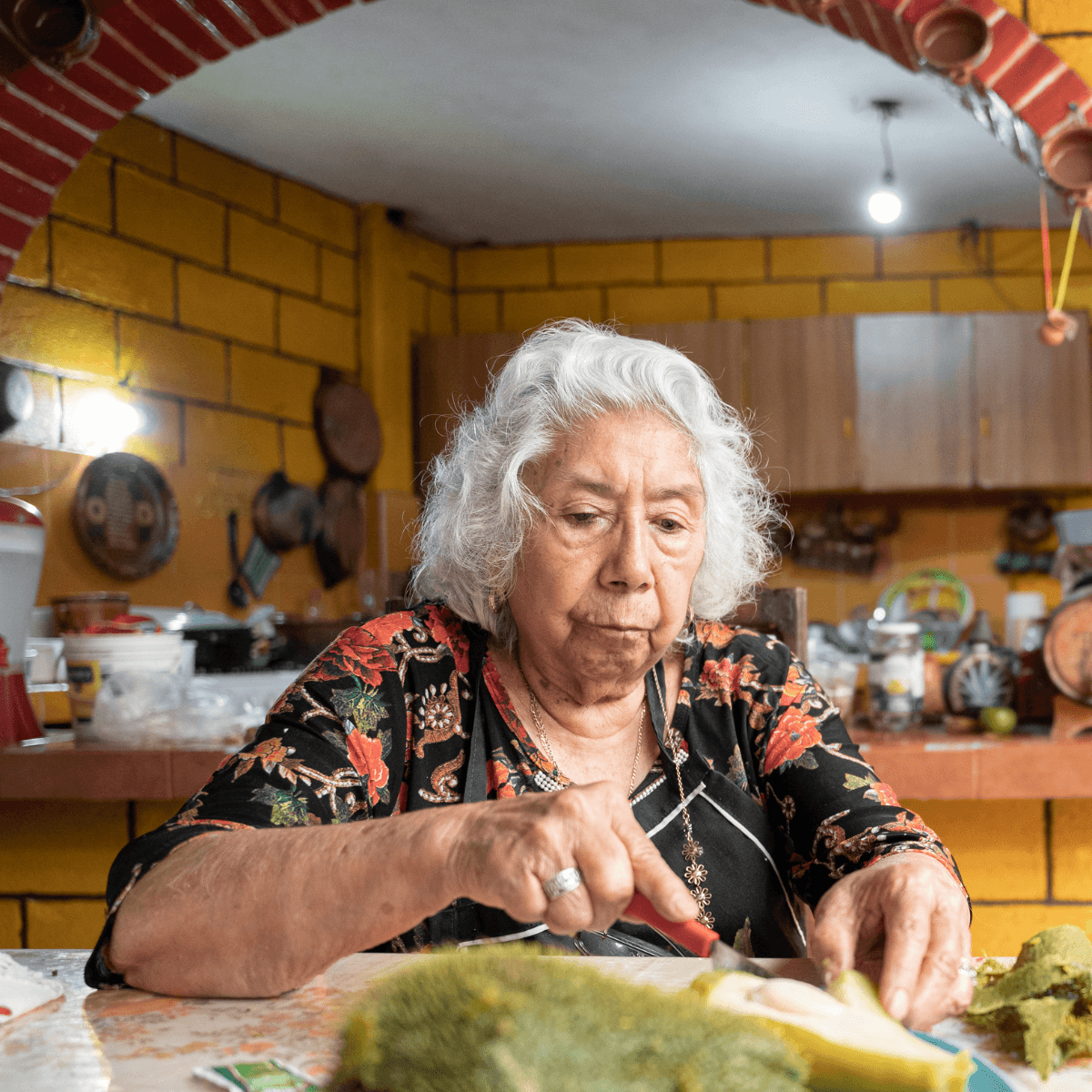
One local curiosity beyond the city is a Teotihuacan home-cooking day trip that pairs the pyramids with breakfast and a family lunch of red and green mole near Teotihuacan, followed by pulque. It is not a Mexico City dish as such, but it does reflect the wider central Mexican table that has always fed the capital.
Guided tour
Teotihuacan Pyramids Tour with a Traditional Family Meal
Choose your date
GetYourGuide displays availability and confirms bookings on its own site.
These are the traditional dishes and products worth understanding before sitting down to eat in Mexico City.
1. Tacos al Pastor (Spit-Roasted Pork Tacos)
Tacos al pastor are thin slices of pork marinated with dried chiles, spices and achiote, stacked on a vertical spit, roasted, and shaved onto small corn tortillas, usually with onion, cilantro and a piece of pineapple. The style emerged in central Mexico through the influence of Lebanese immigrants and their vertical roasting methods, but in Mexico City it became something distinct: pork rather than lamb, adobo rather than the seasoning of shawarma, and tortilla rather than flatbread. A lesser-known detail is that older taquería language in the capital often distinguished between tacos al pastor cut from the trompo and tacos de adobada or de trompo elsewhere in the country, showing how specifically chilango the standard version became.
For a classic version in the center, order tacos al pastor at El Huequito, a long-standing name closely associated with the style. In Colonia Narvarte, Taquería Los Parados is known for pastor on the spit, while El Vilsito in Narvarte becomes one of the city’s most cited late-night pastor stops after the mechanic shop closes. In Mercado Medellín or Mercado San Juan, pastor can also be compared with other fillings in the same meal.
2. Tlacoyo (Oval Blue-Corn Masa Cake)
The tlacoyo is an oval masa patty, usually made with blue corn, pressed thicker than a tortilla and filled with fava beans, requesón or refried beans, then cooked on a comal and topped with nopales, fresh cheese, salsa and onion. It is one of the clearest surviving links between present-day street food and pre-Hispanic urban eating in the Valley of Mexico, where masa preparations filled with legumes were already established long before the colonial period. One detail often overlooked is that haba and bean fillings reflect the food economy of the central highlands, while blue-corn tlacoyos are tied to native maize traditions of the basin and nearby states, not just to visual appeal.
Look for tlacoyos in markets and street stalls around Coyoacán, outside metro stations, and in neighborhoods such as Narvarte and Portales where comal cooking remains common. At Mercado de Coyoacán or La Merced, order one with haba if available, since fava-bean filling is less commonly chosen by visitors than the bean version and is closer to older everyday practice in central Mexico.
3. Chiles en Nogada (Poblano Chiles in Walnut Sauce)
Chiles en nogada are poblano peppers stuffed with a picadillo of meat and fruit, covered in walnut sauce and finished with pomegranate seeds and parsley. The dish belongs to Puebla, not Mexico City, yet it matters in the capital because Mexico City became the national showcase for regional cuisines and patriotic September dining. A useful detail is that older versions often balanced local fruits such as pera de leche, manzana panochera and durazno criollo in the filling, so the dish was historically tied not just to symbolism but to a very specific late-summer harvest calendar from central Mexico.
In Mexico City, try chiles en nogada during August and September at El Cardenal or at Nicos in Azcapotzalco, where seasonal Mexican cooking is taken seriously. Order it as a lunchtime main course, not as an antojito, and ask whether the kitchen is using fresh nuez de Castilla and whether the chile is capeado, since battered and unbattered versions both exist in the city.
4. Pozole (Hominy Stew)
Pozole in Mexico City is usually served in its central Mexican red or white forms, built around nixtamalized cacahuazintle corn that opens into large blossoms during cooking, with pork or chicken and a table of garnishes including shredded lettuce, radish, oregano, lime and tostadas. Its ceremonial roots are older than the colonial city, but the version most eaten in the capital belongs to the domestic and festive calendar, especially around September celebrations, family Sundays, and the Thursday specials that still appear in many fondas. A less obvious fact is that cacahuazintle is not simply any hominy corn: it is a large-kernel variety prized in central Mexico because it keeps structure through long cooking while still blooming open, which is why pozole in the capital has such a distinctive texture.
For a specialized stop, Casa de Toño has branches across the city and is widely associated with pozole, while fondas in Guerrero, Doctores and Centro often serve it on Thursdays or weekends. If ordering in a market or neighborhood comedor, ask whether the house version is blanco or rojo and whether the broth is pork-based even when chicken is offered, since that difference changes the dish more than the garnish table suggests.
5. Mixiote (Pit-Style Marinated Meat in Maguey Film)
Mixiote is meat, often mutton, rabbit, chicken or pork, marinated with chiles and herbs, wrapped and steamed until tender. The name refers to the translucent membrane once taken from the maguey leaf, though many modern cooks use parchment or other wrappers because stripping the plant layer can damage the agave. The dish is associated with the central plateau that has long provisioned Mexico City, especially Hidalgo and the pulque-producing belt north of the capital. One useful detail is that old-style seasoning can include avocado leaf, cumin and hoja de laurel in combinations that mark it as a highland steam-cooked dish, distinct from the earthier profile of barbacoa.
In Mexico City, seek mixiote in markets and traditional restaurants that focus on food from Hidalgo, Tlaxcala or the Estado de México. Mercado de San Juan Pugibet and some weekend stalls in the southern boroughs are better bets than all-purpose taquerías. Order it with tortillas and salsa rather than on a rice-heavy plate, and ask which meat is being used because lamb and rabbit versions are less common on standard menus.
6. Torta de Tamal, or Guajolota (Tamal Sandwich)
The torta de tamal is exactly what its name says: a tamal tucked into a bolillo roll, often eaten with atole in the early morning. It is one of the capital’s most practical worker breakfasts, born from commuting schedules, factory shifts, office hours and school routes rather than restaurant dining. The dish makes particular sense in Mexico City because tamal vendors and pan dulce culture overlap around transport nodes, and one overlooked detail is that the sandwich belongs to the city’s rhythm of street breakfast more than to any festive tradition. The nickname guajolota is common, but many vendors simply call it a torta de tamal and identify it by filling.
To try one in context, go early to tamal stands outside major transport hubs or in neighborhoods such as Doctores, Obrera, Narvarte and around metro entrances across the city. Order a torta de tamal verde or de rajas before 10 a.m., when the best selection is still available, and pair it with atole if you want the weekday breakfast format locals know well.
7. Pan de Muerto (Day of the Dead Bread)
Pan de muerto is a seasonal sweet bread associated with Day of the Dead altars and family remembrance, usually round, soft and scented with orange blossom or citrus, with strips of dough laid over the top like stylized bones. In Mexico City, it appears across bakeries from late October into early November, and its importance lies as much in ritual use as in daily consumption, since it is one of the standard foods placed on ofrendas for returning souls. A lesser-known point is that the capital’s sugar-dusted round loaf became nationally familiar partly because the city’s bakeries, newspapers and television normalized that shape, even though other regions use very different forms and symbolism.
For a traditional bakery setting, look in Centro Histórico and neighborhoods with old panaderías such as San Rafael, Santa María la Ribera and Coyoacán. Panadería Rosetta is widely known for seasonal baking, while bakeries around Mercado de Coyoacán and traditional shops in the historic center often offer more standard city-style loaves. Late October is the best moment to compare versions before November 2 demand peaks.
8. Pulque (Fermented Agave Sap Drink)
Pulque is a lightly fermented drink made from aguamiel, the sweet sap of certain mature maguey plants, and it has a long history in the central highlands surrounding Mexico City. Before beer displaced it in much of urban life, pulque was a major working drink in the capital, sold through pulquerías that developed their own social codes, murals and humor-filled naming traditions. One fact often skipped in basic guides is that flavored pulques, or curados, are not recent inventions but part of an older urban strategy for extending and diversifying a drink whose freshness window is short. In the nineteenth and early twentieth centuries, pulque entered the city daily from nearby producing zones by rail and cart, which helps explain why Mexico City developed such a dense pulquería culture.
In Mexico City, try pulque in historic and revived pulquerías such as Las Duelistas in Centro or Los Insurgentes in Roma Norte, where ordering a natural pulque first gives a good baseline before moving to a curado. If possible, drink it earlier in the day rather than very late at night, since pulque has traditionally circulated on a short freshness window and many regulars still treat it as a daytime beverage.
Eating Traditional Food in Centro Histórico, Coyoacán and Along the Comida Corrida Schedule
For inexpensive traditional food, markets and fondas still give the clearest picture of how the city eats. Breakfast at street level often means tamales, atole, quesadillas or a quick café con pan between 7 a.m. and 10 a.m. Comida corrida usually runs from about 1:30 p.m. to 4:30 p.m. and is the moment to look for soups, guisados and full lunch menus in neighborhoods such as Centro Histórico, San Rafael, Santa María la Ribera, Narvarte, Portales and Coyoacán. Tacos and other antojitos pick up later, especially from evening into midnight in areas with busy taquerías such as Narvarte, Roma Norte and around transport corridors.
As a rough budget, simple street breakfasts may cost around MXN 30 to 80, market or fonda lunches around MXN 90 to 180, and more formal regional restaurants from roughly MXN 250 upward per person before drinks. Mercado de Coyoacán is useful for antojitos and snacks, La Merced and Jamaica reveal the supply side of the city’s food system, and Centro Histórico remains one of the best areas for linking old dining rooms, bakeries and street food in a single walk. In markets and fondas, it helps to ask what the guisados of the day are, whether tortillas are hechas a mano, and which dishes are seasonal rather than permanent fixtures.
A free tour of Mexico City can help place these foods in their proper neighborhoods, especially in Centro Histórico where culinary history overlaps with markets, bakeries and long-running dining rooms. A local guide can also point out where a dish belongs in the city’s daily schedule, which matters almost as much as the dish itself.