

Warsaw’s cooking was shaped by scarcity and abundance at the same time: the grain fields of Mazovia, river fish from the Vistula, Jewish culinary traditions, noble manor cooking, and the practical food culture of a city rebuilt after war. What defines the capital’s table is not one single recipe but a habit of adaptation, from offal and fermented soups to refined pastries that survived partitions, occupation, and socialism.
These are the Warsaw dishes and products worth seeking out if you want to understand the city through its kitchens, milk bars, markets, and old confectioneries.
1. Pyzy z Mięsem (Potato Dumplings Filled With Meat)
Pyzy z mięsem are large potato dumplings made from a mix of raw and cooked potatoes, usually filled with seasoned minced pork or mixed meat and served with fried onion, lardons, or a spoonful of skwarki. In Warsaw they are closely tied to working-class food culture and to the old Praga district, where filling, inexpensive dishes mattered more than decorative presentation. A lesser-known detail is that Warsaw pyzy were once sold from street carts and cellar kitchens to factory workers and market traders, especially on the right bank of the Vistula, which helps explain why they became more associated with neighborhood life than with restaurant dining.
For the classic version, go to Pyzy Flaki Gorące on Brzeska Street in Praga-Północ, where pyzy remain one of the defining orders and the setting still reflects the district’s older food habits. You can also look for them in traditional bars mleczny and home-style Polish restaurants, but in Praga they make the most cultural sense, especially as a midday meal.
2. Flaki po Warszawsku (Warsaw-Style Tripe Soup)
Flaki po warszawsku is tripe soup enriched with broth, root vegetables, marjoram, black pepper, nutmeg, and often a hint of ginger, which is one of the details that marks older Polish versions influenced by prewar spice habits. Tripe has long been part of urban Polish cooking because it turned inexpensive cuts into serious nourishment, and in Warsaw it became attached to taverns, canteens, and Sunday dinners rather than peasant farm cooking alone. One fact often overlooked is that nineteenth-century Polish cookbooks describe flaki as a dish that could be made unusually elegant with veal stock and carefully cut strips of tripe, so it crossed class lines more than many visitors assume.
Try it at U Fukiera in the Old Town if you want to see how an old Polish dish is framed in a more formal setting, or check the menu at Stary Dom in Mokotów, where classic Polish cooking often includes offal and older urban dishes. Order it with bread rather than treating it as a starter to rush through, because in Warsaw it is often eaten as a substantial lunch.
3. Wątróbka z Cebulą (Liver With Onions)
Wątróbka z cebulą, usually made with pork or poultry liver, is pan-fried and served with a generous quantity of softened or browned onions, sometimes with apple on the side. It belongs to the old logic of Warsaw cooking that wasted little and relied on offal not as a novelty but as an ordinary part of the weekly table. A useful historical detail is that liver remained common in city canteens and home kitchens through the socialist period partly because it cooked quickly and was easy to buy even when more expensive cuts were limited, which kept it in Warsaw’s repertoire long after similar dishes disappeared from many Western capitals.
For a well-made traditional version, look at Stary Dom in Mokotów, where offal dishes are treated with more seriousness than in most central casual restaurants. In older neighborhood restaurants you may also find it as a daily special, often served with mashed potatoes and beet salad, which is the combination to order if available.
4. Śledź po Mazowiecku (Mazovian-Style Herring)
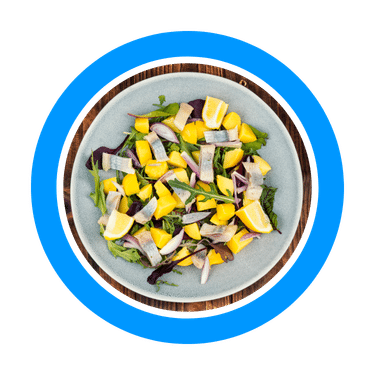
Śledź po mazowiecku is herring prepared in a regional style associated with Mazovia, often with onion, tomato elements, spices, or a sweet-sour marinade depending on the house recipe. Herring matters in Warsaw because the city historically sat at a trading crossroads rather than a fishing coast, so preserved fish arrived through commerce and became part of fasting days, tavern snacks, and holiday tables. A lesser-known point is that herring in inland cities like Warsaw was once judged not only by freshness but by the precision of soaking and desalting, a kitchen skill that older cooks considered essential and that strongly affects the final texture.
Try herring starters at U Wieniawy in Śródmieście Południowe or at Stary Dom in Mokotów, where traditional cold dishes are given serious attention. If you are near Hala Mirowska, the surrounding food shops and stalls also help explain how many preserved-fish styles still circulate in Warsaw kitchens, even if the most comfortable way to try the dish is in a sit-down restaurant.
5. Pierogi z Kapustą i Grzybami (Dumplings With Cabbage and Mushrooms)
Pierogi are known across Poland, but the version with sauerkraut or cooked cabbage and forest mushrooms has a special place in Warsaw because it sits at the meeting point of urban everyday food and the Christmas Eve table. In Warsaw, this filling also carries the memory of postwar domestic cooking, when dried mushrooms, onions, and preserved cabbage gave households a filling that was cheap, storable, and still tied to older festive customs. An often-missed fact is that the mushroom component traditionally depended on dried wild species from Mazovian and broader central Polish forests rather than cultivated mushrooms, so the filling quietly preserves a map of regional foraging habits.
Go to Bar Mleczny Prasowy on Marszałkowska for a simpler and more budget-minded plate closer to canteen tradition, or order them at Zapiecek when you want an easy central option with multiple fillings on offer. If you are in Warsaw during Advent or December, order them wherever they appear as a seasonal special, because that is when this filling carries its strongest cultural meaning in the city.
6. Pączek z Różą (Rose-Filled Doughnut)
Pączek z różą is the classic Polish yeast doughnut filled with rose petal preserve, fried and usually glazed or dusted with sugar. In Warsaw it is inseparable from Tłusty Czwartek, the Thursday before Lent, when queues form outside pastry shops and offices buy boxes by the dozen, but it is not merely a holiday sweet because the city’s old confectionery culture kept it in daily circulation. A less obvious detail is that rose filling was not chosen only for perfume or luxury. Dense preserve held up well inside fried dough and connected the pastry to older preserving habits once common in Warsaw homes and manor kitchens that supplied the capital’s confectionery taste.
The address many locals still associate with traditional pączki is Cukiernia Pawłowicz on Chmielna. A. Blikle on Nowy Świat is another historic Warsaw name, especially for visitors already walking the Royal Route. Go in the morning if you can, and around Tłusty Czwartek expect lines long before lunch.
7. Wuzetka (Warsaw Chocolate Cream Cake)
Wuzetka is a chocolate sponge cake layered with cream and covered in chocolate glaze, one of the few postwar sweets firmly associated with Warsaw itself. Its name is commonly linked to the W-Z Route, the postwar east-west roadway that became a symbol of rebuilding, though food historians still note that the exact naming story is hard to document with complete certainty. What matters culturally is that wuzetka belongs to socialist-era confectionery, when Warsaw pastry shops developed cakes that were affordable, recognizable, and urban rather than courtly or manor-house in style.
Look for it at Warszawski Lukier or in traditional confectioneries and cafes that still maintain a Polish cake counter rather than a generic dessert menu. Order it in the afternoon with coffee or tea, which is when cake culture still makes the most sense in Warsaw, especially along central streets like Chmielna and Nowy Świat.
8. Oranżada z Hali Mirowskiej (Traditional Sweet Soda)
Oranżada is a sweet carbonated soft drink that survives in Poland as both a nostalgic product and a marker of everyday food culture from the communist period. In Warsaw it makes the most sense not in isolation but beside market shopping, milk-bar lunches, and old-fashioned snacks around places like Hala Mirowska, one of the city’s enduring food landmarks. A small but telling fact is that older Warsaw residents often distinguish between modern bottled versions and the memory of siphon-dispensed or locally distributed fizzy drinks, which gives oranżada a place in the city’s social history as much as in its food history.
You are most likely to encounter it in traditional eateries, milk bars, and market-adjacent food stalls rather than in polished restaurants. Around Hala Mirowska and in old-style bars mleczny, order it with pyzy, pierogi, or a set lunch if you want the pairing that makes the drink feel local instead of merely retro.
Between Hala Mirowska and the Milk Bars
For budget eating, Warsaw’s bars mleczny still matter: a filling lunch can cost far less than in the Old Town, often around 20 to 35 zł for soup and a main, while mid-range traditional restaurants in Śródmieście, Mokotów, and parts of Praga usually land closer to 40 to 80 zł for a main dish. Hala Mirowska and nearby streets are useful for market produce, old-style snacks, and a sense of what Warsaw households still buy, while Praga-Północ remains the best district for dishes with a stronger working-class city identity. Lunch is commonly eaten between 1 pm and 3 pm, and dinner tends to start earlier than in southern Europe, often from 6 pm to 8 pm.
If you want pyzy and old right-bank atmosphere, start in Praga around Brzeska and nearby streets. If you want milk-bar Warsaw, Bar Mleczny Prasowy is one of the easiest central addresses. For cakes and pączki, Chmielna and Nowy Świat still make sense as walking routes between classic confectionery stops. If you join the free tour of Warsaw, ask your guide where they would send a local for pyzy, herring, or a pączek rather than where visitors usually stop first. In a city where so much culinary memory is tied to districts and postwar habits, that local distinction matters.