

This 90-minute ramen cooking class in Kyoto takes you from wheat flour to a finished bowl you can eat on the spot. At Ramen Factory Kyoto, instructors guide you through making fresh noodles, preparing chicken chashu, cooking the noodles and combining soup, seasoning, oils and toppings to create your own ramen. Instruction is available in English and Japanese, and no previous cooking experience is required.
The experience is hands-on from the beginning. Instead of receiving premade noodles to decorate, you work the dough yourself, repeatedly kneading and folding it before turning it into fresh ramen noodles. You also prepare the chicken component and choose how to flavor the finished bowl, with miso, salt and soy-based options among the combinations used during the class.
Everything needed for the cooking process is provided, including ingredients, utensils and an apron. Once your ramen is complete, you sit down and eat the bowl you made. The booking also includes a selected souvenir, and a recipe is sent after the class so you can try recreating the process at home.
Ramen Factory Kyoto is located on the basement floor of the Plantan Building in Kamigyo Ward, about a 5-minute walk from Demachiyanagi Station on the Keihan Line. The venue is wheelchair and stroller accessible, children can participate from age 3, and vegetarian, vegan, halal and gluten-free arrangements are available when requested in advance.
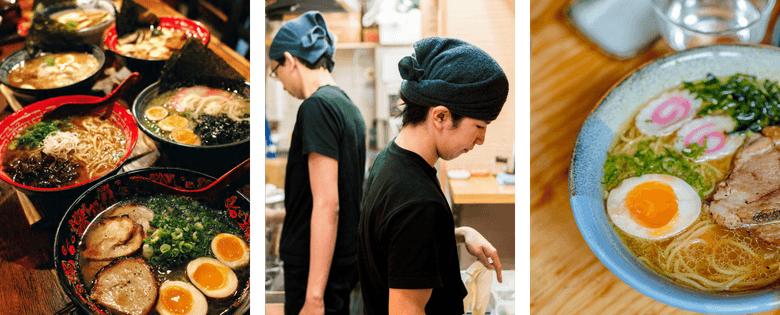
How the Kyoto Ramen Cooking Class Works
The full class lasts 90 minutes and follows a structured sequence so that beginners can complete an entire bowl without needing previous kitchen experience. Staff prepare the workspace and ingredients, then guide participants through the important hands-on stages rather than expecting you to manage a professional kitchen independently.
You begin with the noodle dough. The class emphasizes repeated kneading and folding, with the dough worked more than 100 times before it is shaped into noodles. That repetition helps you feel how the texture changes rather than simply hearing an explanation about gluten and elasticity.
The class also includes preparation of chicken chashu. This makes it possible to include a cooked meat topping within the relatively short workshop without requiring the many hours associated with some traditional ramen preparations.
After shaping the noodles, you cook them using the type of noodle-boiling equipment associated with ramen shops. The noodles are then drained and transferred directly into the soup you have chosen for your bowl.
The final stage is assembly. You combine the noodles, broth or soup base, seasoning, aromatic oils and toppings before sitting down to eat the finished ramen yourself.
The experience includes all required ingredients, cooking tools and an apron, so you do not need to bring your own kitchen equipment or purchase ingredients separately.
Making Fresh Ramen Noodles from Scratch
The noodle-making section is the clearest difference between this class and a simple ramen tasting. You start with wheat flour and work through the steps required to turn the dough into fresh noodles.
Working the Dough
The dough is mixed, pressed, kneaded and repeatedly folded by hand. The class highlights more than 100 folds, turning what could otherwise be an abstract explanation of noodle texture into something you can physically feel changing under your hands.
This does not mean the class attempts to reproduce every stage of a professional noodle factory. Ingredients and tools are organized in advance so the process can fit within 90 minutes, but the essential hands-on work is performed by participants themselves.
Shaping and Cooking the Noodles
Once the dough is ready, it is shaped into ramen noodles before being cooked in hot water. The venue uses noodle-boiling equipment similar to that found in ramen restaurants, giving the final cooking stage a more practical feel than boiling the noodles in a normal household saucepan.
Timing matters here because fresh noodles continue changing quickly once they enter the water. After cooking, they are drained and shaken before being transferred into the prepared soup.
By the time the noodles reach the bowl, you have followed them from flour through dough to the finished ingredient you will actually eat.
Chicken Chashu, Soup and Your Own Ramen Flavor
The noodles are only one part of the class. You also prepare the chicken topping and make decisions about how the soup should taste, which helps explain why two ramen bowls can use similar noodles but feel completely different once the broth, seasoning and aromatic oils change.
Preparing the Chicken
The standard class uses chicken chashu as the main meat topping. Participants season and prepare the chicken as part of the cooking process rather than receiving every component already finished.
Vegetarian and vegan alternatives replace the meat component when arranged in advance, so dietary requirements should be communicated before the day of the class rather than after cooking has already started.
Choosing the Flavor of Your Bowl
The class allows you to customize the finished ramen instead of serving every participant exactly the same recipe. Featured flavor directions include miso, salt and soy, with additional choices involving soup, oils, condiments and toppings.
This makes the final assembly more useful than simply placing ingredients into a bowl. You can taste how stronger or lighter seasoning changes the noodles and how aromatic oil modifies the character of the soup.
Once everything is ready, the cooked noodles are added to the soup and the toppings are arranged on top. The finished bowl is then yours to eat during the class.
Dietary Options, Souvenir and Take-Home Recipe
Vegetarian and Vegan Ramen
A vegetarian option is available, and vegan ramen can also be prepared with advance notice. The vegan version replaces the chicken with ingredients such as tofu and vegetables and uses an appropriate soup.
Halal and gluten-free arrangements are also available when requested beforehand. If you have allergies or another dietary restriction, send the details in advance so the staff can determine which ingredients or preparation changes are required.
Your Souvenir
The cooking-class booking includes one selected souvenir in addition to the ramen you prepare. Available souvenir options can vary, so it is better to choose from what is offered during your session rather than booking solely for one specific item.
Recipe After the Class
A recipe is also sent after the experience so you can attempt the ramen again at home. That gives the workshop more practical value than an activity that ends as soon as you finish eating.
The version you recreate at home may naturally differ depending on available noodles, flour, stock and seasonings, but the recipe provides a framework for repeating the techniques introduced during the class.
Practical Information and Frequently Asked Questions
Ramen Factory Kyoto is located at BF1 Plantan Building, 447-14 Kajiicho, Kamigyo-ku, Kyoto. It is approximately a 5-minute walk from Demachiyanagi Station on the Keihan Line.
The classroom is on the basement floor. When you reach the building, look for the staircase beside the supermarket and follow it downstairs rather than relying only on the street-level appearance of the address.
The venue is wheelchair and stroller accessible. Children can participate from age 3, and infant seats are available. Pets are not permitted.
Personal photography is allowed during the lesson as long as you respect the privacy of other participants. Professional photography, filming or 360-degree recording may also take place during some sessions for media or promotional use.
Cancellation is currently free until 24 hours before the class. Cancellations made after that deadline are non-refundable.
How Long Does the Kyoto Ramen Cooking Class Last?
The class lasts 90 minutes.
Where Does the Ramen Class Take Place?
It takes place at Ramen Factory Kyoto, on the basement floor of the Plantan Building at 447-14 Kajiicho in Kamigyo Ward, around 5 minutes from Demachiyanagi Station.
Do I Really Make the Noodles from Scratch?
Yes. You begin with wheat-flour dough and take part in the kneading, repeated folding, shaping, cooking and draining process before adding the noodles to your finished ramen.
Is the Ramen Included?
Yes. The bowl you prepare during the class is your meal and is eaten on site. Drinks are not included in the standard booking.
Are Vegetarian or Vegan Options Available?
Yes. Vegetarian options are available, and vegan, halal and gluten-free arrangements can also be prepared with advance notice. Inform the provider of your requirements before the class.
Can Children Join the Class?
Yes. The current minimum participation age is 3 years old.
Is the Venue Wheelchair Accessible?
Yes. The venue is currently listed as wheelchair accessible and is also suitable for strollers.
Can I Take Photos During the Class?
Yes. Personal photography is allowed, provided you respect the privacy of the other participants.
Popular Activities in Kyoto

Chopstick Making Workshop

Forge Your Own Japanese Knife
Wagashi-Making Class
