

This 2-hour 30-minute free tour begins at Plaza de las Ranas, is conducted in English and follows an outdoor route through Vegueta and Triana before ending at the Gabinete Literario. Along the way, you will see the façades of Casa de Colón, Santa Ana Cathedral, the Palacio Episcopal and Casa Regental, as well as Plaza del Pilar Nuevo, the bronze dogs of Plaza de Santa Ana and the exterior of Vegueta Market. The activity includes an English-speaking guide but no interior admissions or fixed participation fee.
Las Palmas de Gran Canaria was founded in the late 15th century beside the Guiniguada ravine. Its position in the Atlantic soon made it an important stopping point between Europe, Africa and the Americas. That maritime history remains visible in Vegueta, where religious, administrative and residential buildings developed around the original settlement.
The route also introduces the relationship between Vegueta and Triana. Vegueta contains the cathedral, historic squares and institutions associated with the early city, while Triana developed into an important commercial and cultural district on the opposite side of the ravine. Walking between them makes the growth of the capital easier to understand than visiting each monument separately.
Casa de Colón provides the connection with Atlantic navigation and Christopher Columbus, but the guided route stops outside the building. The same distinction applies to Santa Ana Cathedral and Vegueta Market. The tour explains their role in the city without including admission.
The walk ends at the Gabinete Literario in Plaza de Cairasco. From there, you can continue through Triana, return to Vegueta for an independent museum visit or stop for Canarian food in the surrounding streets. As with other free tours, reserving secures your place and you decide on a voluntary contribution for the guide at the end.
What You’ll See on the Free Tour Las Palmas de Gran Canaria
Plaza de las Ranas
The tour begins at Plaza de las Ranas, officially known as Plaza Hurtado de Mendoza. Its location beside the former Guiniguada ravine places it between Vegueta and Triana, making it a practical starting point for understanding the two historic districts.
The square takes its familiar name from the frog sculptures decorating its fountain. It is also associated with the Biblioteca Insular, one of the main public libraries on Gran Canaria.
Plaza de San Antonio Abad and Casa de Colón
Plaza de San Antonio Abad lies within the earliest urban area of Las Palmas. The square contains a small chapel connected with the city’s foundation and the period when Atlantic expeditions stopped in the Canary Islands before continuing west.
Nearby, the façade of Casa de Colón introduces the relationship between Gran Canaria and the voyages of Christopher Columbus. The museum occupies a complex incorporating historic buildings associated with the island’s governors. Its carved stonework, wooden balconies and courtyards reflect several phases of Canarian architecture.
The free tour does not enter Casa de Colón. If you want to see its collections on navigation, cartography and connections between the Canary Islands and the Americas, you can return independently after the walk.
Plaza del Pilar Nuevo
Plaza del Pilar Nuevo is another of Vegueta’s historic spaces. Traditional façades and wooden balconies surround the square, which takes its name from the stone fountain at its centre.
Its position near Casa de Colón and the cathedral demonstrates how closely residential, civic and religious buildings were grouped in the original town. The square also hosts cultural activities and occasional markets, although these are not guaranteed as part of the tour.
Santa Ana Cathedral
Construction of Santa Ana Cathedral began after the Castilian conquest of Gran Canaria and continued across several centuries. As a result, the building combines Gothic, Renaissance and neoclassical elements instead of following a single architectural style.
The tour stops in Plaza de Santa Ana to examine the cathedral from outside. Its neoclassical façade dominates the eastern side of the square, while the surrounding buildings help explain the concentration of religious, judicial and administrative power in Vegueta.
The Dogs of Plaza de Santa Ana
Eight bronze dogs stand opposite the cathedral and have become some of the most recognisable figures in the city. Their presence is often linked with the traditional interpretation of the Canary Islands’ name and its association with dogs.
The guide provides the historical context behind the sculptures and explains how they became symbols of Plaza de Santa Ana. Their position also creates one of the most photographed perspectives of the cathedral façade.
Palacio Episcopal and Casa Regental
The Palacio Episcopal stands beside the cathedral and reflects the institutional importance of the square. Its façade belongs to a complex that served as the residence and administrative centre of the bishops of the Canary Islands.
Casa Regental represents another branch of authority. Historically associated with the island’s judicial administration, it helps explain why Plaza de Santa Ana functioned as more than a religious setting. Both buildings are viewed from outside during the route.
Vegueta Market
Vegueta Market connects the monumental old town with everyday commerce. The market is associated with fruit, vegetables, meat, cheese and other products used in Canarian cooking.
The group stops outside rather than visiting its aisles. This allows the guide to explain the market’s role without making purchases or food tastings part of the activity. Those who want to look around should check the opening hours and return independently.
Gabinete Literario
The final stop is the Gabinete Literario in Plaza de Cairasco. The institution was founded in the 19th century and became an important meeting place for intellectual, artistic and social life in Las Palmas.
Its present façade reflects the architectural changes made around the turn of the 20th century. Ending here also places the group close to Calle Triana, cafés, shops and several options for continuing through the centre on foot.
Tour Format and What’s Included
The activity consists of a 2-hour 30-minute walk with an English-speaking guide. The route is focused on streets, squares and exterior explanations in Vegueta and Triana. It does not include transportation, food, drinks or admission to museums and monuments.
Although the tour has no fixed participation price, advance reservation is still required to secure a place. At the end, each participant chooses a voluntary contribution according to the quality of the visit and their personal budget.
The published route follows a logical sequence from Plaza de las Ranas through Vegueta and towards the Gabinete Literario. Minor changes may be made for organisational reasons, but the principal sights are concentrated within the historic centre.
Reservations for groups of more than 6 people are not accepted on the standard free tour. This restriction applies even when members of the same group attempt to reserve separately.
Tips for the Free Walking Tour
- Arrive at the correct square: the meeting point is Plaza de las Ranas, also known as Plaza Hurtado de Mendoza. Plaza de San Antonio Abad is a later stop.
- Allow the full 2.5 hours: the tour ends at the Gabinete Literario rather than returning to the meeting point.
- Wear comfortable shoes: Vegueta contains cobbled streets, stone paving and sections that may feel uneven underfoot.
- Use sun protection: bring sunscreen, sunglasses and water even outside summer, as several squares provide limited shade.
- Carry some cash: the guide’s contribution is not included and is left voluntarily at the end of the walk.
- Plan interior visits separately: Casa de Colón, Santa Ana Cathedral and Vegueta Market are viewed from outside during the tour.
- Check market hours: return to Vegueta Market earlier in the day if browsing its stalls is a priority.
- Bring your electronic voucher: keeping the booking confirmation available on your phone makes check-in easier.
- Ask before bringing a pet: pets are permitted, but they should remain controlled and should not disrupt the group in narrow streets or busy squares.
What to Do After the Tour
Visit Casa de Colón
Returning to Casa de Colón allows you to see the museum spaces that are not included in the free tour. Its exhibitions cover Atlantic navigation, cartography, the voyages of Columbus and connections between the Canary Islands and the Americas.
Enter Santa Ana Cathedral
An independent visit provides a closer look at the cathedral’s long construction history and interior architecture. Access conditions and opening hours can change around services and religious celebrations, so check them before planning your visit.
Walk Along Calle Triana
Calle Triana begins close to the Gabinete Literario and forms one of the city’s principal pedestrian and commercial streets. Its façades show how Las Palmas expanded beyond the earliest settlement in Vegueta during the 19th and early 20th centuries.
Try Canarian Food
After the walk, look for papas arrugadas with red or green mojo, grilled Canarian cheese, local fish or dishes prepared with gofio. The areas around Vegueta, Triana and Plaza de Cairasco contain cafés and restaurants within walking distance of the final stop.
Frequently Asked Questions
Where Does the Free Tour Las Palmas de Gran Canaria Start?
The tour starts at Plaza de las Ranas, officially called Plaza Hurtado de Mendoza, between Vegueta and Triana.
Where Does the Tour End?
It ends outside the Gabinete Literario in Plaza de Cairasco, close to Calle Triana.
How Long Does the Tour Last?
The walking tour lasts approximately 2 hours and 30 minutes.
What Language Is the Tour Conducted In?
This version of the activity is conducted in English with an English-speaking guide.
Does the Tour Enter Casa de Colón or Santa Ana Cathedral?
No. The route includes exterior explanations at Casa de Colón, Santa Ana Cathedral and the other historic buildings. Admission tickets are not included.
Does the Tour Enter Vegueta Market?
No. The market is viewed from outside while the guide explains its importance to local commercial and culinary life.
Is the Tour Accessible for People With Reduced Mobility?
No. The activity is not considered suitable for people with reduced mobility because of the walking route and surfaces in the historic districts.
Can Groups of More Than 6 People Join?
No. Reservations for more than 6 people are not accepted on the standard free tour, even when the group books separately.
Are Pets Allowed?
Yes, pets are allowed on this activity. Owners remain responsible for keeping them under control throughout the walk.
More Tours in Canary Islands
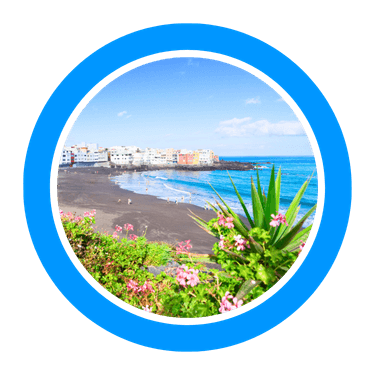
Puerto de la Cruz
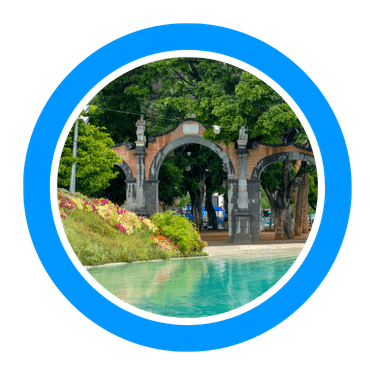
Santa Cruz Tenerife
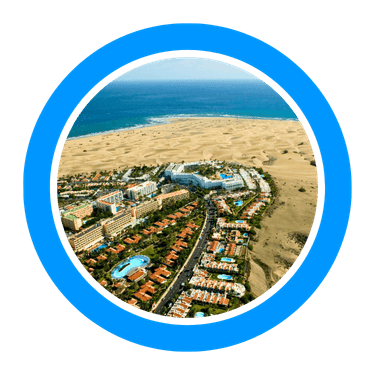
Maspalomas
