

This two-hour Rome underground quarries tour takes place in English, meets beside Cancelliere Caffè and explores the Appian–Caffarella labyrinth, with admission and a wine tasting included.
Modern Rome stands above an extensive underground landscape, but its subterranean spaces formed in different ways. Some buildings disappeared beneath later construction; other passages were deliberately excavated to obtain materials for the growing city. In this labyrinth, the starting point is that second story: the work beneath the surface that helped make construction above it possible.
The quarry galleries introduce Rome through its material needs. Houses, public buildings and infrastructure required resources as well as architects and patrons. Walking through an extraction site brings that less visible part of urban history into focus. The space left behind by removing material became a landscape with further uses of its own.
The visit follows those changes through former mushroom-growing areas, catacomb spaces and a reconstructed Mithraeum used to explain the worship of Mithras. Recognising the reconstruction matters: it provides an interpretation of a religious setting alongside the historic underground environment. The closing tasting adds a different element to a visit otherwise centred on archaeology and the reuse of space.
This outing suits travellers interested in how Rome was built and how places acquired new purposes over time. Expect an underground walk rather than a succession of central museums. Before reserving, consider your comfort with enclosed surroundings and your ability to manage the walking involved. Wear practical shoes, choose clothing that can tolerate dirt and plan your journey to the meeting point independently. Keeping the rest of your schedule flexible leaves time to return to your next destination without rushing.
Inside the Appian–Caffarella Labyrinth
The Quarry Galleries
The labyrinth developed through the extraction of construction materials. Its galleries therefore preserve a different kind of evidence from the walls of a temple or palace: their empty space is itself the result of work. Removing material created the passages through which visitors now move.
This changes the questions you bring to the site. Alongside dates and rulers, the visit invites attention to resources, labour and the relationship between a growing city and its surroundings. The quarry helps connect Rome’s finished monuments with the less celebrated processes required to build them.
Later Use for Mushroom Cultivation
Part of the itinerary concerns spaces subsequently used for growing mushrooms. This introduces a practical form of reuse: an underground environment could retain value after its original extractive purpose had changed.
The sequence is worth keeping clear. Quarrying and cultivation represent different activities, with different requirements. Listening for how the guide distinguishes those phases helps you understand the site as a place that continued to change over time.
Catacomb Spaces
The route also introduces funerary spaces described as catacombs. Burial adds another function to the underground landscape, allowing the guide to distinguish spaces associated with the dead from those connected with material extraction or later productive use.
Keep those purposes separate as you follow the explanation. An underground corridor is not automatically a burial passage, and neighbouring spaces need not belong to the same period. The value of the guided visit lies partly in identifying those differences within an environment that can initially look similar throughout.
The Reconstructed Mithraeum
The reconstructed Mithraeum introduces a setting associated with the cult of Mithras. It provides a way to discuss religious practice within the underground visit while distinguishing an interpretive reconstruction from surviving ancient fabric.
Ask which features illustrate the historical setting and what evidence supports their arrangement. That distinction helps you understand both the religious subject and the way archaeology is presented to visitors today.
The Wine Tasting
A wine tasting closes the experience. Allow for it within the overall visit and organise any meal separately. If you do not drink alcohol, ask about an alternative before reserving rather than assuming a particular replacement is available.
Choosing This Underground Experience
The quarry tour is particularly relevant if you enjoy interpreting spaces whose original use is not immediately obvious. Its interest comes from connecting extraction, reuse, burial and religious interpretation within one underground setting. Much of the experience depends on following the guide’s explanation of how those functions differ.
Enclosed surroundings deserve consideration before booking. If darkness or underground passages make you uncomfortable, describe your concerns and ask about the route’s conditions. The published duration alone does not tell you whether the environment will suit you.
For families, explain the setting to children beforehand and check participation requirements for their ages. Consider their comfort with burial history and their ability to remain with the group. A child who enjoys archaeology may respond differently from one expecting brightly lit galleries or a general sightseeing walk.
If your main goal is a particular monument, select a visit that names it explicitly. San Clemente, the Trevi archaeological area and the major named catacombs each require their own arrangements. This experience focuses on the quarry labyrinth and its changing uses.
Tips for Your Underground Walk
Use the meeting location in your confirmation. Save the map for Cancelliere Caffè and calculate the journey from your accommodation. The name “Rome Underground” is broad, so checking the actual location prevents confusion with other archaeological attractions.
Wear closed shoes with good grip. Choose footwear suitable for an archaeological walk and clothing you do not mind getting dirty. Leave delicate shoes and loose accessories for another outing.
Carry a light extra layer. Prepare for a change between outdoor conditions and the underground environment. A compact layer is easier to manage than a bulky coat if you need to remove it during the visit.
Keep your belongings compact. Use a small, secure bag and keep your hands available while walking. Avoid stopping abruptly to retrieve items when other visitors are following behind you.
Ask about photographs before taking them. Follow the guide’s instructions on photography and lighting. Permission at another Roman underground site does not establish the rules here, and a phone light should not distract the group.
Stay with the guided route. Do not enter side passages or touch surfaces and objects unless invited to do so. Let the guide explain what can be examined closely and where the group should pause.
Leave time after the activity. Plan your onward journey before committing to another timed entry. Reaching central Rome and finding the next entrance require additional time beyond the underground visit itself.
Frequently Asked Questions
How Long Does the Tour Last?
Two hours. Add time for your journey to and from the meeting point.
Where Do We Meet?
Beside Cancelliere Caffè. Follow the precise location supplied with your booking.
What Is Included?
An English-speaking guide, admission to the itinerary’s sites and wine tasting.
Is Transport Included?
Transfers are not listed among the inclusions. Arrange your own journey to the meeting point.
Is the Tour Wheelchair Accessible?
No. This activity is listed as not wheelchair accessible.
Is There a Minimum Number of Participants?
Yes, two. If the minimum is not reached, you will be contacted with alternatives.
Are Pets Permitted?
Yes. Consider whether your pet will be comfortable in an enclosed group setting before bringing them.
What Is the Cancellation Policy?
Cancellation is free until 24 hours before departure. Later cancellations and no-shows are non-refundable.
More Tours in Rome

Castel Sant’Angelo

Rome
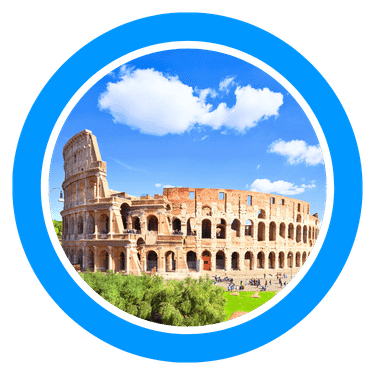
Colosseum
