


Tokyo cooking is defined by Edo, the shogunal city that grew beside Tokyo Bay and built a cuisine around fast service, precise knife work, soy-based seasonings, and an immense daily flow of fish, vegetables, and rice from the Kantō plain. What people now call washoku in the capital includes workers’ foods born in crowded neighborhoods, refined dishes shaped by merchant wealth, and specialties linked to old temple districts, wholesale markets, and the bay.
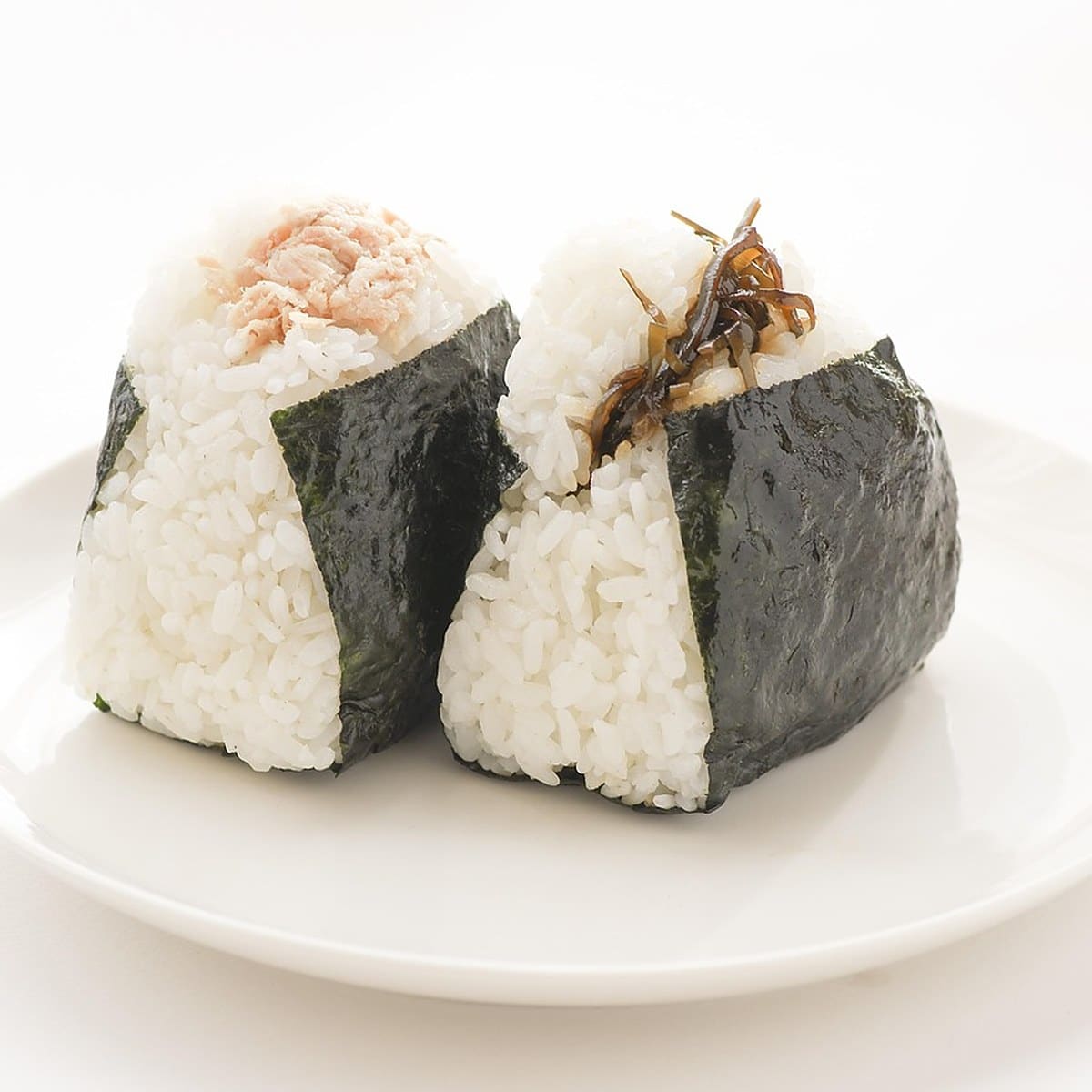
One useful local detour is a musubi class in Ginza, where a Japanese grandmother explains why musubi is not simply another word for onigiri, then has guests shape three rice balls with fillings they choose. The rice balls are followed by a home-style lunch cooked by the grandmother, which makes the class a small window into everyday home cooking rather than a grand culinary institution.
Guided tour
Onigiri and Musubi Class with a Tokyo Grandma
Choose your date
GetYourGuide displays availability and confirms bookings on its own site.
These are the Tokyo dishes and products that best explain how the city eats.
1. 江戸前寿司 (Edomae sushi)
Edomae sushi refers to the style of nigiri that developed in Edo using seafood from Tokyo Bay, then called Edo-mae, or “in front of Edo.” In the nineteenth century it was largely a quick street food, and many toppings were cured, simmered, marinated in soy, or lightly vinegared because refrigeration did not exist; that is why kohada gizzard shad, anago conger eel, and nikiri-brushed shellfish remain markers of old Tokyo style. A lesser-known detail is that the vinegared rice in early Edo was often more assertive in salt and vinegar than many modern versions, which helped preserve and sharpen the fish in a humid city.
For a classic setting, try the long-established counters around Nihonbashi and Ginza, or look for specialists in Tsukiji Outer Market where the market trade still shapes what is served. At places such as Sushi Daiwa near Toyosu Market, order a set that includes kohada, anago, and tamago rather than only fatty tuna, because those pieces show the Edomae techniques most closely tied to Tokyo.
2. 深川めし (Fukagawa rice with clams)
Fukagawa-meshi comes from the old fishing district of Fukagawa, now part of Koto City, where clam gathering in the tidal flats fed laborers and boatmen. The dish appears in two related forms: rice cooked with clams and seasoned broth, and a simpler bowl of rice topped with clam miso soup poured over it. One detail often overlooked is that the specialty is tied especially to asari clams, whose abundance in the shallow waters east of the Sumida helped define everyday cooking there before land reclamation changed the shoreline.
The place to seek it is Monzen-Nakacho and the Fukagawa area, where local restaurants still identify the dish with the neighborhood. Order the rice-cooked version if available in cooler months, when it is especially common, and compare it with the soup-poured style to see how one district preserved two working versions of the same meal.
3. どじょう鍋 (dojo hotpot)
Dojo-nabe is a hotpot of loach, a small freshwater fish long eaten in eastern Japan and strongly associated with old downtown Tokyo. The best-known Tokyo form is a shallow iron pot in which the fish are simmered with soy-based seasoning and topped generously with sliced negi; in some versions the fish are split and cleaned, while maru, or whole dojo, are served intact. A lesser-known fact is that dojo was once valued in Edo as an affordable source of nourishment for commoners and craftsmen, especially in the low-lying shitamachi districts where eel and river fish cookery formed a distinct food culture apart from elite banquets.
Head to Asakusa, where Komakata Dozeu has served this specialty since the nineteenth century and remains the standard reference point. Order the classic dojo-nabe with extra scallions, and if available compare it with yanagawa-nabe, a related preparation in which the fish are bound with egg.
4. 天ぷら (tempura)
Tempura in Tokyo is closely linked to Edomae seafood and to the street stalls of late Edo, where pieces of fish and shellfish were fried in sesame oil for quick eating. Although the technique has older foreign roots, the Tokyo form became its own thing: compact pieces, a relatively dark fry from fragrant oil, and a repertoire that historically leaned on bay catches such as kuruma ebi, anago, and kisu whiting. One useful distinction is that old Edo tempura was often stronger and oilier than the lighter Kansai styles that many visitors now assume to be standard across Japan.
For a traditional introduction, the Asakusa institution Daikokuya is widely associated with the older dark-sauced Tokyo style, especially its tendon topped with sesame-oil tempura. In higher-end tempura counters in Nihonbashi or Ginza, order a course centered on shrimp, whiting, and anago to see the Edomae lineage most clearly.
5. 柳川鍋 (loach and egg hotpot)
Yanagawa-nabe is a skillet dish in which cleaned loach are simmered with burdock root and then finished with beaten egg, creating a richer and softer preparation than plain dojo-nabe. It is counted among the classic foods of Edo commoners and shows how Tokyo cooking often paired river fish with root vegetables from the surrounding plain. The name is debated, but one lesser-known culinary point is that burdock is not a garnish here: its earthy aroma and fibrous texture were central to balancing the muddy delicacy of freshwater fish in old urban cookery.
Asakusa remains the natural place to try it, especially at long-running dojo specialists where yanagawa-nabe appears beside standard loach hotpot. Order it in the cooler season when nabemono are most common, and ask for it as a separate dish rather than assuming it comes with a loach set meal.
6. 桜餅 (cherry leaf rice cake)
Sakura mochi in Tokyo usually means the Chomeiji style, a sweet associated with the Sumida River area and quite different from the Kansai domyoji version. It consists of sweet bean paste wrapped in a thin crepe-like sheet and enclosed in a salted cherry leaf, a form said to have been devised near Mukojima where cherry-viewing crowds gathered in the Edo period. A detail many guides skip is that the preserved leaf is not merely decorative: its salt and aroma offset the bean filling and connect the confection directly to hanami culture, where portable sweets had to carry seasonal symbolism as well as flavor.
Try it around Sumida and Mukojima, especially at Chomeiji Sakuramochi, the shop most closely identified with the Tokyo style. The best time is spring, particularly during cherry blossom season along the Sumida River, and taking it with tea in the neighborhood makes more sense than treating it as a generic wagashi sold anywhere.
7. もんじゃ焼き (monja-yaki)
Monja-yaki is Tokyo’s loose, pan-cooked batter dish, especially identified with Tsukishima, where it developed from cheap flour-based snacks and children’s sweets sold in the shitamachi. The batter is thinner than okonomiyaki, mixed with chopped cabbage and ingredients such as squid, shrimp, mochi, or mentaiko, then cooked directly on the griddle and scraped up with small spatulas. A lesser-known historical thread links monja to mojiyaki, an older snack on which children sometimes traced letters in the batter, tying the dish to penny-candy shop culture rather than to festival food alone.
Go to Tsukishima Monja Street, where specialist shops line the area around Tsukishima Station and many still cook at table griddles in the old neighborhood most associated with the dish. Order a basic seafood monja first before moving to combinations with mochi or cod roe, because the simpler versions make the batter texture and sauce seasoning easier to understand.
8. 人形焼 (small filled cakes from Ningyocho)
Ningyo-yaki are small cast cakes from the Ningyocho area, usually filled with sweet bean paste and baked in molds shaped like dolls, lanterns, or auspicious figures. They belong to the world of Tokyo souvenir sweets, but their district identity is unusually strong because Ningyocho was long associated with theater, merchants, and doll makers, all of which influenced the imagery stamped into the cakes. One less obvious point is that older shops often distinguish between versions with filling and kasutera-like plain versions, reflecting the overlap between wagashi traditions and sponge-cake techniques introduced and adapted in early modern Japan.
Ningyocho is the right neighborhood to try them, especially at long-running shops such as Shigemori Eishindo or Itakuraya. Order them freshly baked if possible, and if the shop offers both filled and plain forms, compare the two because the filled version is now more common while the plain style reveals the cast-cake base more clearly.
Where to Eat Tokyo Food in Asakusa, Tsukishima, Fukagawa, and Toyosu
For traditional Tokyo food, concentrate on eastern neighborhoods where older food identities still hold together on foot. Asakusa works best for dojo and old-style tempura, Tsukishima for monja in the late afternoon and evening, Monzen-Nakacho and nearby Fukagawa for clam-based local dishes, Ningyocho for sweets, and Toyosu or Tsukiji Outer Market for seafood-focused breakfasts and early lunches. Budget-wise, ningyo-yaki and sakura mochi are usually a small snack purchase, monja often lands around 1,200 to 2,500 yen per person before drinks, Fukagawa-meshi lunch sets commonly sit around 1,000 to 2,000 yen, while Edomae sushi and specialist tempura can range from modest lunch menus to counters that rise steeply at dinner.
Timing matters in Tokyo. Tsukiji Outer Market is most useful in the morning, many traditional lunch sets begin around 11:00 or 11:30 and can sell out, and monja shops in Tsukishima make more sense later in the day when groups gather around the griddle. Small specialist restaurants in Asakusa or Fukagawa may keep shorter hours than chain restaurants, and some close between lunch and dinner. The free tour of Tokyo can help place these foods in their actual neighborhoods, from Edo merchant districts to former market quarters, which is often the difference between eating a Tokyo dish and understanding why it belongs to Tokyo.