


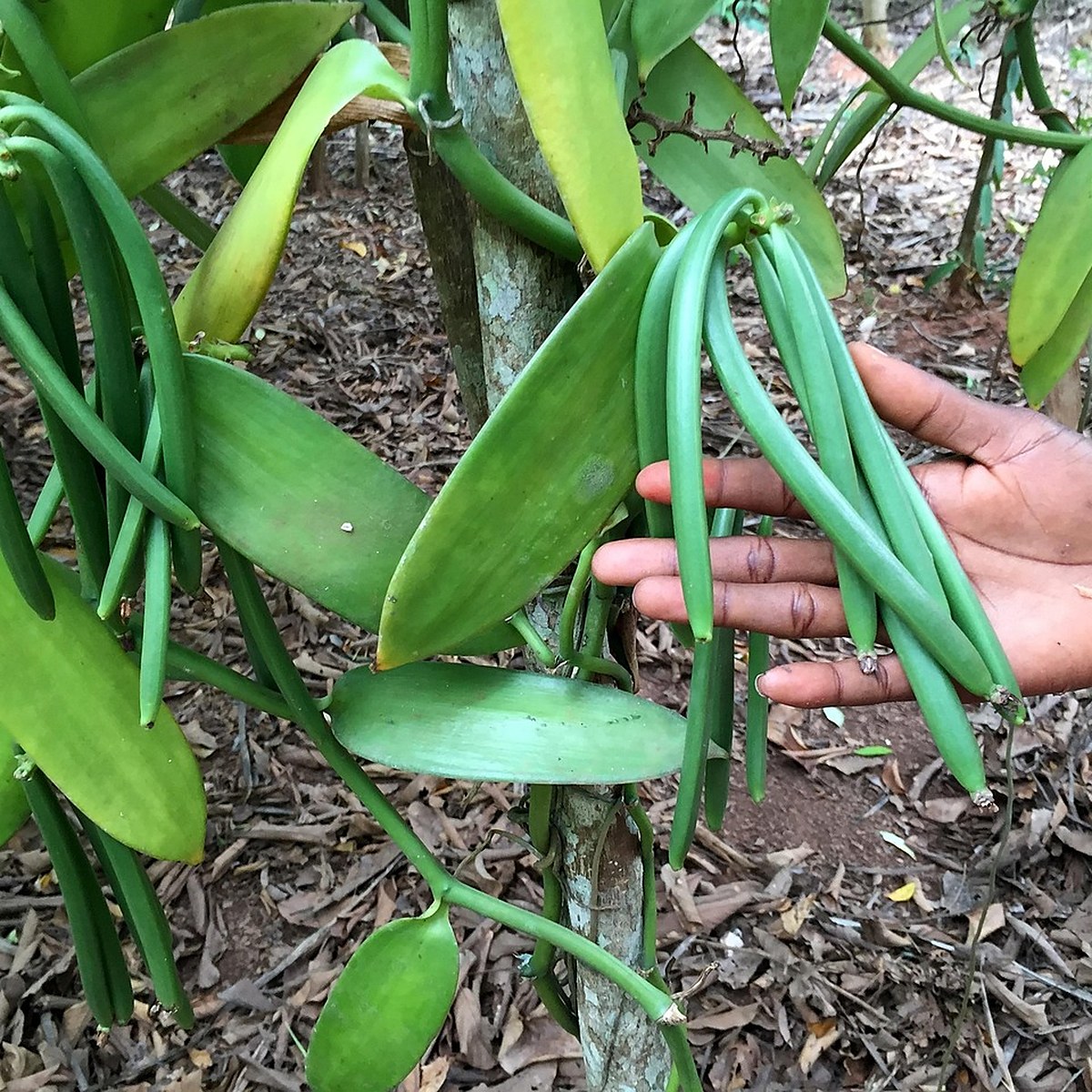
Vanilla grows on Tenerife only as an introduced cultivated orchid, not as a native island crop. The vine, Vanilla planifolia, needs sheltered conditions, and Tenerife’s mild subtropical climate is just enough to support it. That is very different from calling Tenerife a vanilla-producing landscape like some tropical regions: the island’s only vanilla cultivation is a small permaculture farm near Garachico, in the northwest, where you can see the vines on a guided farm visit and, between April and July, may catch the flowers being pollinated by hand.
Guided tour
Vanilla Farm Tour in Tenerife
Choose your date
GetYourGuide displays availability and confirms bookings on its own site.
Vanilla also fits a wider shift in how people travel. GetYourGuide calls it Biteseeing, the rise of food-led travel, and its research found that 57% of travelers would travel for a single ingredient.
The reason vanilla appears on Tenerife is historical as much as botanical. From the late eighteenth century, the island became a useful testing ground for tropical plants that might adapt to Spanish territory with a suitable climate. This was the logic behind the Jardín de Aclimatación de La Orotava in Puerto de la Cruz, a garden created to receive and acclimatize species brought from overseas. Vanilla fits that story: a tropical American orchid surviving under care in a place warm and humid enough to keep it alive.
That context also clears up a common misunderstanding. Seeing a vanilla orchid on Tenerife does not mean the island has a natural vanilla industry. The plant’s prized product is the pod, later cured to produce the familiar aroma, and outside vanilla’s native American range pod production generally depends on hand pollination rather than local natural pollinators. If you are staying in the capital, the wider botanical setting sits well beside a walk through the historic streets of Santa Cruz de Tenerife, where you can place these gardens within the island’s longer scientific and colonial history.
The Historical Reason Vanilla Reached Tenerife
Tenerife’s connection to vanilla begins with acclimatization, not with traditional farming. The key institution was the Jardín de Aclimatación de La Orotava in Puerto de la Cruz, created by Royal Order of Charles III on 17 August 1788. Its purpose was to receive tropical species from overseas and test them in a part of Spanish territory whose climate made that possible.
The project took shape over the next few years. It was drawn up in 1790, the garden was laid out to plans by Nicolás Eduardo, and new plantings began in 1792. Alonso de Nava y Grimón, 6th Marquis of Villanueva del Prado, played the central early role. This makes Tenerife important in the history of moving plants around empires, but not as a place where vanilla originated.
For you as a visitor, that distinction matters. Vanilla on Tenerife belongs to a scientific and horticultural story about imported species adapting under supervision. It does not belong to the same category as long-established island staples or broad agricultural landscapes. If you are interested in how colonial-era institutions shaped Tenerife’s towns as well as its gardens, that wider context also appears in the old urban fabric of La Laguna.
How Vanilla Actually Grows On The Island
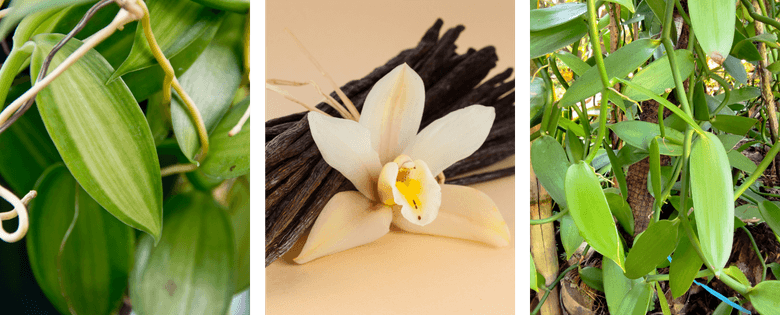
Vanilla planifolia is a tropical American climbing orchid. On Tenerife, the island’s mild subtropical conditions can support the vine in protected botanical settings, which is why you may see it trained against a structure or wall rather than spread across open farmland. The climate helps the plant survive, but climate alone does not turn Tenerife into a natural vanilla-producing region.
The crucial point is pollination. Outside vanilla’s native range, cultivated vanilla generally needs to be pollinated by hand. The technique still used today was developed in 1841 by Edmond Albius on Réunion. That is why a vanilla vine growing well on Tenerife should not automatically be assumed to be producing pods on its own.
After pollination, the valued part is the pod, which is cured to create the familiar vanilla aroma. So when you hear that vanilla “grows” on Tenerife, the accurate meaning is that the orchid can be cultivated there under care. It does not mean the island has a self-sustaining natural cycle of pollination and commercial pod production.
Myths And Reality
A few simple claims about vanilla on Tenerife are wrong. The first is that vanilla is native to the island or to the Canary Islands. It is not. The plant is an introduced tropical species whose original range is in the Americas.
The second myth is that any vanilla orchid you see there will naturally fruit. In reality, vanilla outside its native range generally depends on human pollination. A healthy vine and a fruiting vine are not the same thing.
The third myth is that Tenerife once had a historic island-wide vanilla agriculture comparable to better-known crops such as bananas or vines. The documented picture is much narrower. Vanilla on Tenerife is tied to botanical collections, display plantings, and acclimatization efforts, not to a major traditional crop. If vanilla flavour leads you to local cuisine, you can place it beside the better documented food traditions of Tenerife, which come from very different agricultural histories.
Where You Can See Vanilla In Tenerife Today
The clearest documented place to see vanilla on Tenerife today is the Palmetum of Santa Cruz de Tenerife. Its official guide identifies a Vanilla planifolia climber in the Octagon area, growing in a stone wall below a Pandanus utilis. That is a specific, named location within the garden, not a vague claim that vanilla is scattered everywhere on the island.
You can also visit the Jardín de Aclimatación de La Orotava at Calle Retama 2, 38400 Puerto de la Cruz, for the larger story of how tropical plants came to Tenerife. This site is the historic acclimatization garden itself, and it remains the best place to understand why a plant such as vanilla could appear on the island at all. A current official confirmation of a vanilla specimen on display there is not established, so it is better to visit it for the historical framework rather than expecting a guaranteed vanilla sighting.
These are stable institutional sites, not temporary displays. The Palmetum is in Santa Cruz de Tenerife, while the acclimatization garden is in Puerto de la Cruz in the north. If you want a practical base for seeing the capital before or after the botanical stop, you can place the visit alongside other vanilla-themed activities around Santa Cruz, while keeping in mind that Tenerife’s vanilla story is small-scale and horticultural.
Frequently Asked Questions
Is vanilla native to Tenerife?
No. The vanilla orchid grown there is an introduced tropical American species.
Can vanilla produce pods naturally on Tenerife?
In general, no. Outside its native range, vanilla usually needs hand pollination to produce pods.
Why can vanilla survive on Tenerife at all?
The island’s mild subtropical climate can support the vine in sheltered botanical settings.
What is the historical link between Tenerife and tropical plants?
Tenerife became a key acclimatization site in the late eighteenth century through the creation of the Jardín de Aclimatación de La Orotava.
Where is a documented vanilla plant on the island?
One documented example is at the Palmetum of Santa Cruz de Tenerife, in the Octagon area on a stone wall below a Pandanus utilis.
Was vanilla ever a major traditional crop on Tenerife?
No. The record points to botanical cultivation and display plantings rather than a large historic vanilla agriculture.
