


Tenerife’s food identity starts with a paradox. One of Spain’s best-known potato dishes is made on an island where some of the most valued potato varieties survived because they were grown high on volcanic slopes, while one of its oldest staples is gofio, a toasted flour older than the Spanish presence in the Canaries. Add Atlantic fishing grounds, steep farmland, goat herding, and centuries of traffic between the Canary Islands, mainland Spain, Portugal, and the Americas, and Tenerife begins to read less like a beach destination and more like an Atlantic pantry with its own logic.
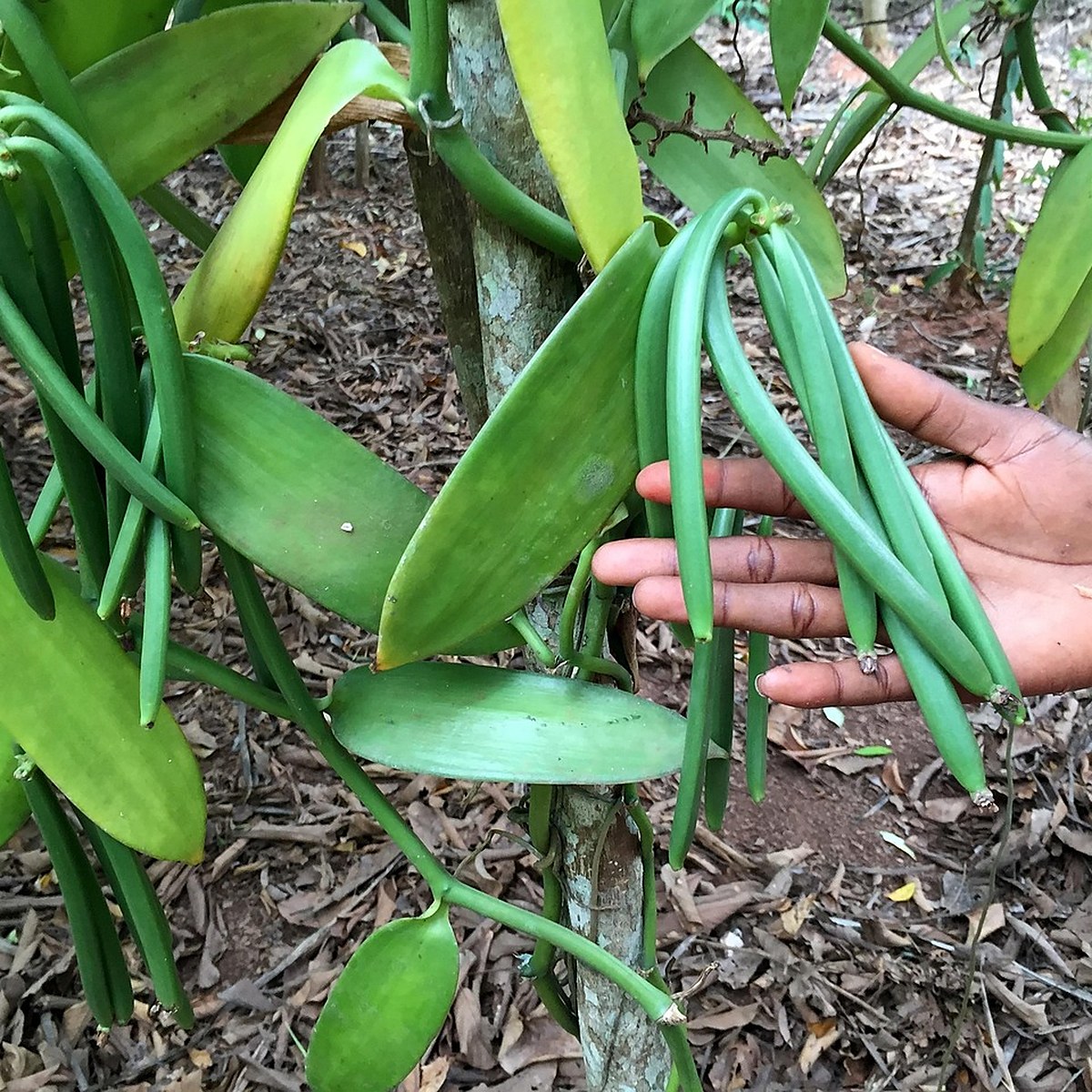
One newer product is worth knowing about, even though it is not part of the traditional table: vanilla. On the island’s northwest coast near Garachico, Finca La Canopea grows what it describes as the only vanilla in the Canary Islands, in a small permaculture food forest where the flowers are pollinated by hand between April and July. Production is tiny, so you are more likely to meet it on a vanilla farm tour in Tenerife than on a restaurant menu.
Guided tour
Vanilla Farm Tour in Tenerife
Choose your date
GetYourGuide displays availability and confirms bookings on its own site.
Food is increasingly the reason people choose a destination. GetYourGuide calls this trend Biteseeing, and its data shows food experience bookings growing 47% year over year, against 16% for cultural sites.
These are the dishes and products that best explain how Tenerife eats.
1. Papas Arrugadas con Mojo (Wrinkled Potatoes with Mojo Sauce)
Papas arrugadas are small potatoes boiled in heavily salted water until the skin dries and wrinkles, then served with mojo rojo or mojo verde. Although often treated as a single iconic dish of all the Canary Islands, in Tenerife the potatoes traditionally used were tied to old local varieties grown at altitude, especially in areas where cooler conditions helped preserve cultivars introduced from the Americas centuries ago. A detail often flattened in standard summaries is that Tenerife forms part of one of Europe’s most important reservoirs of historic potato diversity, with varieties once kept in small northern plots and medianías rather than in industrial-scale production.
Another point worth knowing is that the dramatic white salt crust seen in many restaurant versions is not the essence of the dish. In older domestic cooking, what mattered was the dry finish and concentrated seasoning after the water reduced, not a thick visible layer of salt. In Santa Cruz de Tenerife, order papas arrugadas with both mojos at Mercado de Nuestra Señora de África. In La Orotava, Tacoronte, or the higher agricultural belt above Los Realejos, ask whether the house is using local varieties rather than generic small potatoes.
2. Gofio escaldado (Broth-Scalded Toasted Grain Meal)
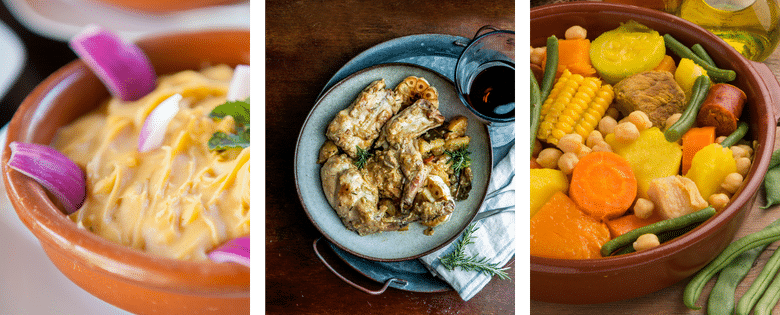
Gofio escaldado is made by stirring toasted grain flour, usually corn or a cereal blend, into hot fish or meat broth until it forms a dense, spoonable mass, often finished with raw onion, cilantro, or mojo. Gofio predates the Castilian conquest and remains one of the clearest survivals of the islands’ earlier food system, even though its composition changed over time as maize from the Americas displaced some earlier grains. In Tenerife, it was not just a humble filler but a strategic staple for field work, transport, and maritime life because toasted flour kept well in a damp Atlantic climate and could be eaten with little preparation.
A more Tenerife-specific nuance is the role of local mills and blends. Some island gofios still combine grains and legumes, and older households distinguished between gofio for kneading, for breakfast, and for escaldado. For a version that still makes sense in context, look for it in traditional restaurants around La Laguna, La Orotava, or the market area of Santa Cruz, and ask whether it is made with fish broth or meat broth. It makes more sense on the table next to fish or stew than as an isolated tasting portion.
3. Conejo en salmorejo (Rabbit in Canarian Marinade)
Conejo en salmorejo is rabbit marinated in garlic, vinegar, paprika, wine, herbs, and spices, then cooked until the sauce darkens and clings to the meat. Despite the name, Canarian salmorejo has nothing to do with the cold tomato dish from Córdoba. Here the term refers to a marinade with preservation logic, useful in a warm climate and in households where rabbit was easier to raise than larger livestock. In Tenerife, that domestic scale matters. Rabbit fitted the economy of smallholdings on the island’s slopes, where families combined vines, potatoes, fruit trees, and a few animals rather than large pasture farming.
There is also a wine connection that is stronger in Tenerife than many quick guides suggest. In the north, especially in the Tacoronte-Acentejo zone, conejo en salmorejo often sits naturally beside young local reds, not as a staged pairing but because guachinches emerged from winegrowers selling their own wine with simple food. Good areas to look include La Matanza de Acentejo, Santa Úrsula, Tacoronte, and El Sauzal, where the dish often appears as part of a short seasonal menu.
4. Cherne a la espalda (Split Wreckfish Cooked on the Bone)
Cherne, usually wreckfish, is one of the fish most associated with celebratory coastal eating in the Canaries, often opened, grilled or roasted, and dressed simply with garlic, oil, and sometimes vinegar. In Tenerife it signals both access to Atlantic fisheries and the prestige historically attached to a large fish that could anchor a family meal. Menus use the name with confidence, but a less discussed fact is that cherne became such a valued commercial label in the Canaries that the market name has not always matched strict biological precision. On a serious fish menu, asking the day’s catch and preparation is often more revealing than relying on the label alone.
For Tenerife specifically, look in coastal places where fish moves quickly from market to kitchen, such as San Andrés near Las Teresitas, Los Abrigos in the south, Garachico, or Puerto de la Cruz. Ordering fish by the piece or asking what is available that day makes more sense than choosing a mixed seafood platter. On many menus, cherne appears only when the catch and size justify it.
5. Puchero canario (Canarian Boiled Stew)
Puchero canario is a substantial stew of meats, chickpeas, potatoes, pumpkin, cabbage, corn on the cob, sweet potato, and other vegetables shaped by what island farms could produce. It belongs to the wider Iberian family of boiled meals, but Tenerife’s version makes sense through the island’s agricultural mix, where Atlantic staples coexist with crops that arrived through transatlantic exchange. Sweet potato, pumpkin, and piña de millo are not decorative additions. They tell the story of a kitchen that absorbed American ingredients early and folded them into everyday cooking.
One of the most useful cultural facts about puchero is that it historically structured more than one meal. The broth could be served first, the solids after, and the leftovers turned into ropa vieja or croquettes the next day. That sequence mattered in houses where fuel, labor, and ingredients all had to stretch. In Tenerife, puchero is most likely to appear at lunch in traditional restaurants around La Laguna, La Orotava, Los Realejos, or older dining rooms in Santa Cruz rather than in evening-focused resort zones.
6. Ropa vieja canaria (Shredded Meat and Chickpea Skillet)
Ropa vieja in the Canary Islands is a dry sautéed dish of shredded leftover meat, chickpeas, potatoes, onion, and spices, rather than the saucier Cuban version many travelers know. In Tenerife it is closely linked to puchero culture, where thrift was not a culinary slogan but the practical basis of household cooking. What gives the Canarian version its structure is the combination of chickpeas and fried potatoes with shredded meat, making it feel less like a stew remnant and more like a second life for the original meal.
On Tenerife, ropa vieja often appears in tascas and guachinches that still cook according to the day’s rhythm rather than a large fixed menu. That is why it makes more sense to look for it in the north, especially around La Orotava Valley, Tacoronte, La Matanza, and La Victoria de Acentejo, where home-style cooking remains visible on blackboards and daily specials. Ordered at lunch with local wine, it reads as part of the island’s domestic food logic rather than as a generic tapas plate.
7. Queso asado con mojo (Grilled Canarian Cheese with Mojo)
Queso asado is a thick slice of local cheese, often from cow, goat, or mixed milk, seared until browned and served with mojo, palm syrup, or both. In Tenerife, the dish points to upland grazing zones and to the island’s strong tradition of small dairies rather than large industrial cheese production. A detail that rarely gets much attention is how well certain semi-cured Canarian cheeses suit high-heat cooking because they hold their shape instead of melting away, which helped turn a practical cheesemaking trait into one of the island’s standard starters.
Tenerife also has a strong cheese geography. Areas connected to mid-altitude pasture and rural production, including the zone around La Esperanza and parts of the north, are better references for this dish than beachside international menus. In restaurants around La Laguna, El Rosario, and northern guachinche country, ask whether the cheese is from Tenerife and whether it comes with mojo rojo, mojo verde, or miel de palma, since the garnish says a lot about the house style.
8. Bienmesabe (Almond and Egg Dessert)
Bienmesabe in Tenerife is a dense sweet made with ground almonds, egg yolk, sugar, and lemon, often served with ice cream or cakes but rooted in festive and convent-style pastry traditions. Its name appears in other Spanish-speaking regions, yet the Canarian version is notably thick and almond-heavy, reflecting the old importance of almond cultivation on parts of the island. In Tenerife, almond landscapes around places such as Santiago del Teide and Vilaflor were once tied not only to scenic blossom season but to a working rural calendar that connected tree crops, Lent, feast days, and home confectionery.
That agricultural background matters because bienmesabe is not just a sweet ending on a menu. It belongs to a wider island pastry repertoire shaped by shelf-stable ingredients such as almonds, sugar, and egg yolk. Try it in pastry shops and traditional dessert menus in La Orotava, La Laguna, or Santa Cruz de Tenerife, and look for places that also make other Canarian sweets rather than broad café menus with little local context.
Where to Eat Traditional Food in Santa Cruz, La Laguna, and the Guachinche Belt of Northern Tenerife
For a practical food route, start in Santa Cruz de Tenerife at Mercado de Nuestra Señora de África for cheeses, mojo, olives, produce, and lunch counters, then move to San Andrés for fish or to La Laguna for older taverns and midday cooking. For guachinches, the most useful belt runs through Tacoronte, El Sauzal, La Matanza de Acentejo, La Victoria de Acentejo, and Santa Úrsula, where wine and straightforward seasonal dishes still shape the meal more than polished presentation. La Orotava and Los Realejos are also strong areas for traditional northern cooking.
Timing matters in Tenerife. Traditional lunches usually make most sense from about 1:30 pm to 3:30 pm, and many kitchens feel quieter or less representative outside that window. Dinner often starts late by northern European standards, with many locals sitting down after 8:30 pm. In a guachinche, a modest meal can still come in around €12 to €20 per person depending on wine and number of dishes, while fish restaurants in Los Abrigos, Garachico, Puerto de la Cruz, or San Andrés can rise quickly to €25 to €45 or more per person, especially if the fish is priced by weight. It is often more useful to ask what was cooked that day than to treat the menu as fixed.
The free tour of Tenerife is a practical way to ask a local guide where Santa Cruz residents actually go for market produce, classic tascas, and traditional lunch spots. It is especially useful at the start of a stay, when a quick orientation helps separate heritage cooking from resort-standard menus.