


Grandmothers keep food traditions alive through the recipes, skills, stories and love they pass from one generation to the next. Their kitchens are places where culinary heritage is practiced, shared and continually renewed. In many families, grandmothers preserve the little details that make a dish special: the perfect texture, the familiar aromas, and the personal touches that turn a simple meal into a cherished memory. In Tokyo, that logic is easy to see in onigiri and omusubi, which are hand-shaped, practical and varied from one household to another. In Tokyo, for example, a musubi class in Ginza is taught by a Japanese grandmother who shows guests how to shape three rice balls.
The larger pattern reaches far beyond Japan. UNESCO treats food heritage as a living practice rather than a single recipe, so what matters is not just ingredients but gestures, timing, table customs and the social meaning attached to them. That helps explain why the figure of the grandmother appears so often in food memory. Grandmothers have played an extraordinary role in sustaining these traditions: preserving techniques, enriching family recipes, and bringing generations together around the table. Their influence can reach far beyond their own kitchens, shaping the food memories and cultural identities of whole communities.
The sequence is usually simple. Children watch first, then repeat. Meals and feast days connect food to hospitality, mourning, celebration and season. Only later do institutions call this “heritage.” Across Rome, Istanbul, Tokyo, Paris and Mexico City with the Teotihuacan area, the same basic mechanism appears in different forms: hand-rolled pasta, tea served with company, rice shaped by hand, baking for goûter, and mole that changes from family to family without losing its identity.
Food Heritage Lives In Practice, Not Just Recipes
UNESCO’s language matters because it separates dishes from foodways. A recipe can be written down, but a food tradition usually depends on knowledge and skills transmitted across generations. That includes texture judged by touch, sequence at the table, and small decisions that are rarely measured. A child may learn more by standing beside a kitchen counter or tea tray than by reading a formal method.
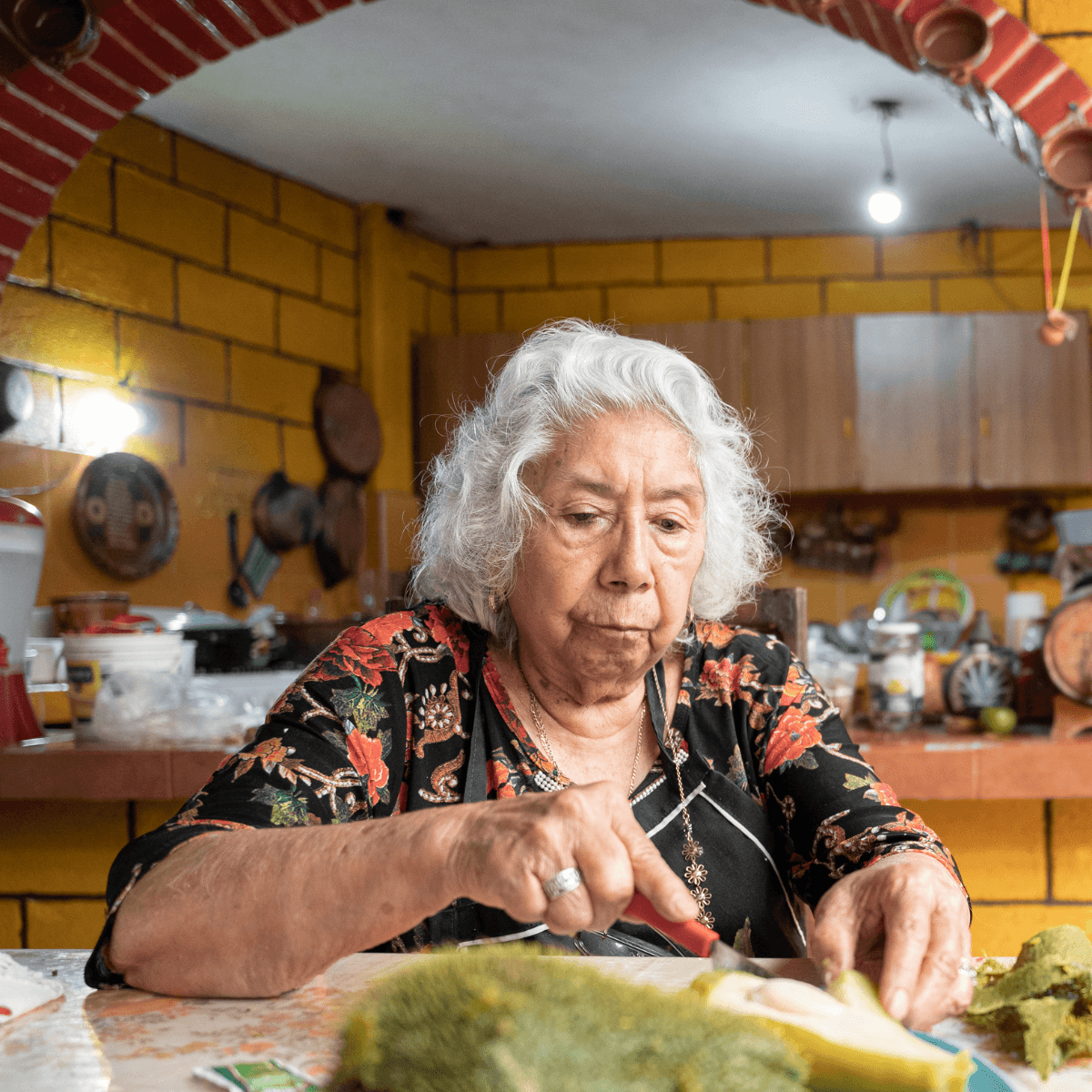
Grandmothers embody this living connection between generations. Their culinary knowledge is shaped by experience and passed on through gestures, stories, celebrations and everyday meals. UNESCO’s inscription of the gastronomic meal of the French in 2010 described a social practice that strengthens family and friendship ties and is transmitted especially to younger generations. UNESCO’s 2010 inscription for traditional Mexican cuisine likewise described an ongoing community culture passed from generation to generation, with collectives of female cooks among its practitioners. The point is continuity through practice, not a single sacred recipe.
You can see the same distinction in everyday travel. A plate of pasta in Rome or a pastry in Paris matters, but the deeper tradition lies in how it is made, served and taught at home. If you want more context for the foods themselves, traditional Parisian food offers a useful companion to the family side of the story.
Five Places, Five Ways Knowledge Moves Through Families
Rome: Handmade Dough
In Rome and central Italy, generations of grandmothers have helped preserve the art of handmade pasta. Their practiced hands know when the dough feels right, how thin to roll it, and how to transform simple ingredients into a meal filled with family memory. Official Rome tourism material describes dishes such as fettuccine alla romana as made with homemade pasta, and Italian food culture preserves the term sfoglino for a person skilled in preparing sheet pasta by hand. In family life, that can mean flour and dough are judged by feel as much as by measurement.
A Roman nonna showing a child how thin dough should be for ravioli or fettuccine is a useful vignette because it captures practical knowledge in motion. The lesson is tactile: thickness changes texture, filling and cooking result. In Rome, a pasta class with a Roman nonna teaches exactly this feel for dough. For the broader food setting around the city, Rome’s traditional dishes help place pasta within a larger table culture.
Istanbul: Tea As Hospitality
In Istanbul, the clearest example is not a cooked dish at all. UNESCO inscribed the Culture of Çay in Azerbaijan and Türkiye in 2022, framing tea as a social practice that expresses hospitality, builds and maintains social ties, and marks important moments. A grandmother’s tea table, with sweets, conversation or card games, carries heritage through hosting rather than through a recipe.
The essential skill here is social choreography. Children learn who is served first, how company is kept, and how time is structured around welcome. The tradition lies in pouring, offering and gathering. Tea is the visible object, but the real inheritance is manners and social rhythm.
Tokyo: Onigiri & Omusubi
Tokyo offers a very clear case because onigiri or omusubi are ordinary enough to belong to daily life and technical enough to require practice. Japanese government material describes onigiri as a familiar food from childhood and a representative rice dish, shaped by hand in triangular or rounded forms that vary by region and household. That variation matters. It means one family’s normal shape, filling or wrapping method may differ from another’s without becoming less traditional.
Japanese sources trace onigiri back at least to earlier portable rice foods, and one historical thread links them to Heian-period tonjiki, with later use as field food and military provisions. At the same time, the exact etymology and the distinction between onigiri and omusubi remain subject to multiple theories. The safest conclusion is that hand-shaped rice balls lasted because they are portable, practical and adaptable. If you want a broader food frame for the city around them, you can look at traditional dishes in Tokyo.
Paris: Baking Madeleines
Paris is best understood through family baking. By the nineteenth century, madeleines were established, and culinary works from that period describe both the batter and madeleine molds. That older documentary record matters because it strips away modern myth and returns the pastry to ordinary transmission: baking, serving and teaching at home. A Paris grandmother making madeleines for goûter fits the larger French pattern in which meals teach taste, sequence and table behavior, and a baking class with a French grandmother in Paris teaches madeleines alongside tarte Tatin. You can place that habit beside the city’s wider food culture through time in Paris on foot.
Mexico City: Ritual Cooking
Mexico City and the Teotihuacan area show the opposite side of tradition: survival through variation. Cultural authorities state that there are more than 50 versions of mole poblano. Mole remains traditional not because everyone agrees on one formula, but because families preserve key ingredients, methods and occasions while adjusting proportions and details. In the Teotihuacan valley, traditional cooks still prepare dishes in clay pots over wood-fired stoves, connecting present cooking to much older regional foodways, and a Teotihuacan day trip with a traditional family meal from Mexico City includes lunch with red and green mole at a guide’s family home. For the dishes of the capital itself, see traditional food in Mexico City. For the city context around that family tradition, Mexico City’s historic neighborhoods add another layer.
Guided tour
Teotihuacan Pyramids Tour with a Traditional Family Meal
Choose your date
GetYourGuide displays availability and confirms bookings on its own site.
Myths And Shortcuts That Miss The Point
The most common mistake is to reduce food tradition to written recipes. Much of what survives in families is embodied knowledge: pressure in the hands, timing at the stove, how a table is arranged, which dish suits which occasion. A notebook can preserve ingredients, but it often misses texture, gesture and social meaning.
The influence of grandmothers reaches far beyond the dishes they prepare. Through patience, creativity and years of experience, they teach younger generations how to welcome guests, celebrate important moments and express care through food. These lessons become part of the cultural inheritance shared by families and communities.
A third shortcut is the hunt for one “authentic” version. That does not fit foods like mole, and it does not fit terms like onigiri and omusubi, where multiple theories and household forms coexist. Living food traditions are often stable in purpose but flexible in detail.
Learning From Living Practitioners In Tokyo
If you want to understand this theme respectfully, focus on what an older cook or host is actually teaching beyond the finished dish. In Tokyo, shaping musubi or onigiri can transmit pressure, timing, portability, seasonality and care for the person who will eat it. A simple rice ball becomes a lesson in touch and attention.
Grandmothers are not only guardians of culinary memory; they are living teachers who continue to shape the traditions they inherited. A grandmother making rice balls in Tokyo, pouring tea in Istanbul, rolling pasta in Rome, baking for goûter in Paris or adjusting mole in the Mexico City region brings her own experience, personality and creativity to every lesson. She keeps the tradition alive by sharing it.
If you join a class or meal, the useful question is not just how to copy the recipe at home. It is what else you are being shown: how food fits the calendar, how guests are cared for, how family language enters the kitchen, and why one household’s version differs from another’s. That is where food heritage actually lives.
Frequently Asked Questions
Why are grandmothers so often linked to food traditions?
Because generations of grandmothers have preserved and enriched culinary traditions through their cooking, hospitality and teaching. Their recipes, techniques, stories and personal touches become part of a family’s identity, allowing cherished memories and cultural knowledge to live on through food.
Does UNESCO treat a recipe as heritage by itself?
No. The emphasis is on living practices such as knowledge, skills, customs and transmission across generations.
What makes learning to cook with a grandmother so special?
Learning from a grandmother offers something a recipe alone cannot capture: the personal stories, intuitive techniques, patience and affection woven into a lifetime of cooking. Each lesson is a chance to connect with the memories and cultural identity behind the food.
Why is Tokyo a strong example for this topic?
Because onigiri and omusubi are everyday foods shaped by hand, varied by household, and easy to learn by observing someone experienced.
Is there one authentic version of mole or onigiri?
No. Official cultural material explicitly describes many mole variants, and Japanese sources note multiple theories and household differences around onigiri and omusubi.
What is the Istanbul example if it is not mainly about cooking?
It is tea as hospitality: serving, welcoming, gathering and teaching social manners through the shared practice of çay.
